Perforated vs. Solid Aluminum Cladding: Which One Is Best for Your Building?
Perforated vs. Solid Aluminum Cladding: Choosing the right exterior material is a major decision for any construction project. Aluminum cladding has become the go-to choice for modern architects and developers. However, the biggest question usually comes down to two options: Perforated Aluminum Cladding or Solid Aluminum Cladding.
Solid Aluminum Cladding: The Classic Choice
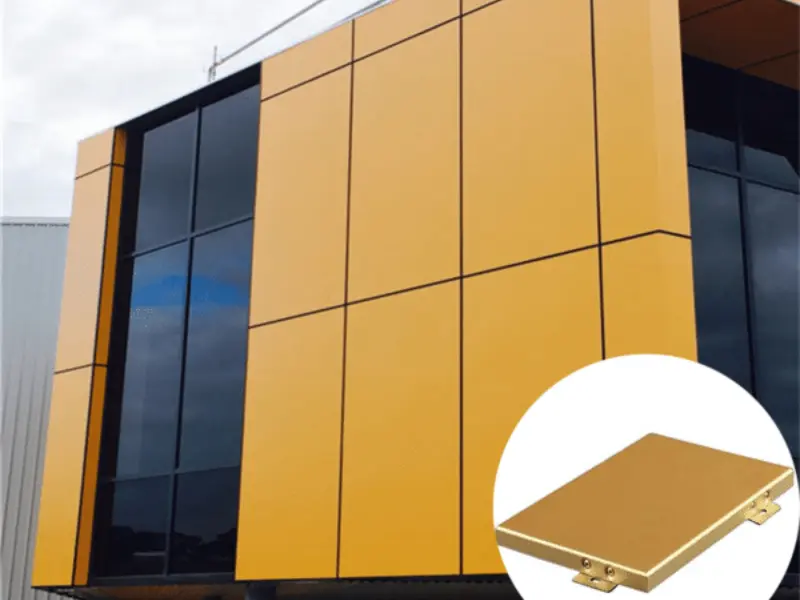
Solid aluminum cladding is the traditional choice for modern commercial and residential buildings. It provides a clean, sleek, and high-end look.
Benefits of Solid Aluminum Panels
- Total Weather Protection: Since there are no holes, these panels act as a complete shield against rain, snow, and wind.
- Better Insulation: When combined with an insulation layer, solid panels help maintain the temperature (T) inside the building, reducing energy costs.
- Maximum Strength: Solid sheets offer higher structural rigidity compared to perforated versions.
- Fire Resistance: Most solid aluminum panels are non-combustible, making them very safe for high-rise buildings.
Common Applications for Solid Cladding
- High-rise office buildings.
- Residential apartment complexes.
- Schools and hospitals.
- Industrial warehouses.
Perforated Aluminum Cladding: The Modern Design Favorite
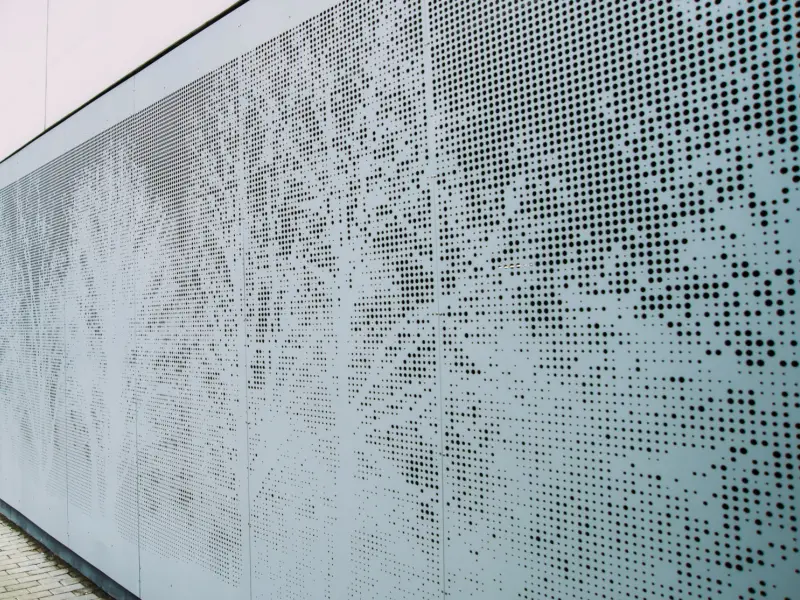
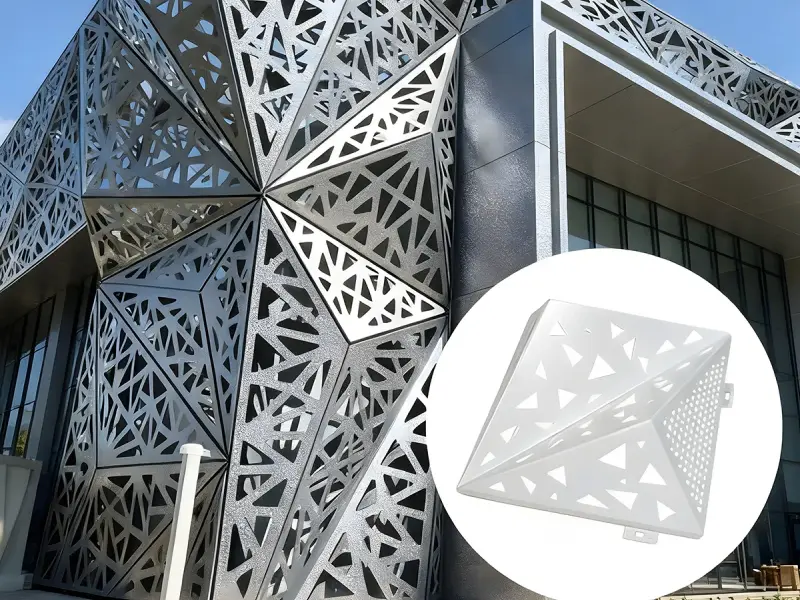
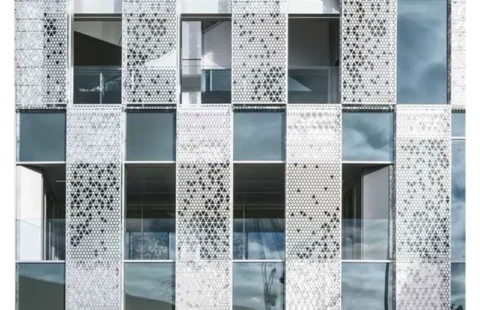
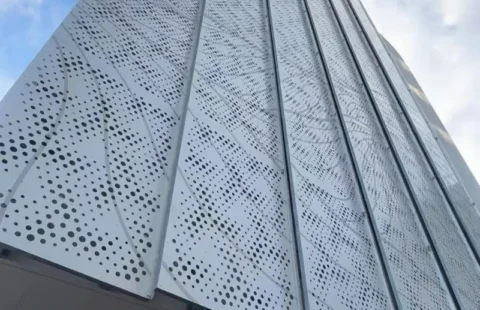
Perforated aluminum cladding is a functional and artistic choice. By punching holes into the metal, manufacturers create patterns that allow light and air to pass through.
Benefits of Perforated Aluminum Panels
- Natural Ventilation: The holes allow air to circulate, which is perfect for parking garages or equipment rooms.
- Light Control: It acts as a sunshade. It lets natural light (L) into the building while reducing glare and heat.
- Acoustic Insulation: Perforated panels can help absorb sound, reducing noise pollution in busy cities.
- Unique Aesthetics: You can create custom patterns, logos, or even images using different hole sizes (d) and spacing (s).
Common Applications for Perforated Cladding
- Parking garage facades.
- Sunscreen panels for windows.
- Interior decorative walls.
- Balcony privacy screens.
Key Differences at a Glance
Perforated vs. Solid Aluminum Cladding: To help you compare, here is a detailed table showing the technical and functional differences between the two.
| Feature | Solid Aluminum Cladding | Perforated Aluminum Cladding |
|---|---|---|
| Visibility | 0% Transparency | 10% to 70% Open Area |
| Airflow | None | High (depending on pattern) |
| Weight | Heavier (Wsolid) | Lighter (Wperf) |
| Weather Shield | Full Protection | Partial Protection |
| Cost | Generally Lower | Generally Higher (due to processing) |
| Privacy | High | Medium (Variable) |
| Maintenance | Very Easy | Requires more attention (dust in holes) |
Technical Performance and Calculations
When choosing between these two, engineers often look at the “Open Area Ratio” (Ao). This is the percentage of the panel that consists of holes.
The formula for the Open Area in a staggered hole pattern is often represented as:
Ao=2×3×p2π×d2
Where:
- d = hole diameter
- p = pitch (the distance between the centers of two holes)
If you need a building to breathe, you want a higher Ao. If you need to block the wind, you want a lower Ao or a solid panel.
Comparing Costs: Solid vs. Perforated
Generally, solid aluminum cladding is more affordable. The manufacturing process is straightforward: the aluminum is rolled, cut to size, and coated.
Perforated aluminum requires an extra step in the factory. High-precision CNC machines or laser cutters must punch thousands of holes into the metal. This increases the production time (t) and the labor cost (c). However, because perforated panels use less metal (since some is punched out), the material weight is lower, which can sometimes save money on shipping and support structures.
Sustainability and Eco-Friendliness
Both solid and perforated aluminum are excellent for the environment. Aluminum is 100% recyclable.
- Solid panels contribute to sustainability by providing excellent thermal insulation, which lowers the energy needed for heating and cooling.
- Perforated panels contribute by providing “passive cooling.” By shading the building, they reduce the need for air conditioning during the summer.
In many green building certifications (like LEED), using aluminum cladding can earn you significant points.
How to Choose the Best One for Your Project?
Are you still undecided? Use these three questions to guide your choice:
- What is the primary goal?
If you want to keep the rain out and the heat in, choose solid. If you want a striking design and fresh air, choose perforated. - What is the wind load?
In areas with very high wind speeds (V), solid panels must be thicker to resist bending. Perforated panels allow some wind to pass through, which can actually reduce the pressure on the building’s structure. - What is your budget?
If you are working on a tight budget for a large surface area, solid aluminum is usually the most cost-effective solution.
Maintenance and Cleaning
Both types of cladding are low-maintenance. Aluminum does not rust like steel.
- For Solid Panels: Rain usually washes away most dirt. A simple wipe-down once a year is enough to keep them looking new.
- For Perforated Panels: Dust and debris can sometimes get trapped in the small holes. If the building is near a dusty road, you may need to use a pressure washer occasionally to keep the holes clear.
perforated and solid aluminum cladding For sale
Perforated vs. Solid Aluminum Cladding: Both perforated and solid aluminum cladding offer amazing benefits for modern architecture. Solid cladding is the king of protection and insulation. Perforated cladding is the queen of style, light, and ventilation.
Many modern designs actually use a mix of both. They use solid panels for the main walls and perforated panels for window areas or parking levels. This combination gives you the best of both worlds: a building that is both strong and beautiful.
By understanding the technical differences—from weight (w) to open area (Ao)—you can make an informed choice that ensures your building stands the test of time.
What is Aluminum Cladding?
Aluminum cladding is an exterior skin applied to a building’s walls. It protects the structure from weather, improves energy efficiency, and makes the building look better.
The two main types are:
- Solid Aluminum Panels: Continuous sheets of metal with no holes.
- Perforated Aluminum Panels: Metal sheets with a pattern of holes or cutouts.
Both materials use high-quality alloys, such as the 3000 or 5000 series, ensuring they last for decades.
Summary Checklist
- Choose Solid if: You need weatherproofing, high insulation, and a lower price point.
- Choose Perforated if: You need airflow, sun shading, and a unique architectural “wow” factor.
- Material: Always look for high-grade aluminum with a quality PVDF or Powder coating.
- Installation: Ensure your contractor understands the specific framing needs for either system.
Leave a Comment
You must be logged in to post a comment.