Types of Aluminum Curtain Wall
Types of Aluminum Curtain Wall Building design has changed a lot in the last few decades. One of the most popular choices for modern exteriors is the aluminum curtain wall. This system is not just about looks; it provides structural protection and energy efficiency.
Major Types of Aluminum Curtain Wall Systems
1. Stick Curtain Wall System
The stick system is the most traditional type. The pieces are delivered to the construction site and assembled one by one. The vertical members (mullions) are installed first, followed by the horizontal members (transoms), and finally the glass panels.
- Best for: Low-rise buildings or complex shapes.
- Advantage: Lower shipping costs because parts are disassembled.
2. Unitized Curtain Wall System
- Best for: High-rise buildings and large-scale projects.
- Advantage: Extremely fast installation and high quality control.
3. Semi-Unitized Curtain Wall System
This is a hybrid of the stick and unitized systems. Some parts are pre-assembled, while others are joined on-site. It offers a balance between cost and speed.
Types of Aluminum Curtain Wall
There are several types of aluminum curtain wall systems, each designed for different building needs, budgets, and installation methods. Below are the most common types, explained in simple terms:
1. Stick Curtain Wall System
The stick system is assembled on-site, piece by piece.
Features:
- Installed directly at the construction site
- Flexible design options
- Lower initial cost
Applications:
- Mid-rise buildings
- Projects with custom designs
2. Unitized Aluminum Curtain Wall
The unitized system is pre-assembled in the factory and installed as large units.
Features:
- Fast installation
- High quality control
- Reduced labor cost on-site
Applications:
- High-rise buildings
- Large commercial projects
3. Semi-Unitized Curtain Wall System
This system combines stick and unitized methods.
Features:
- Partly pre-assembled
- Balanced cost and efficiency
- Easier transportation than full unitized
Applications:
- Medium to large buildings
4. Structural Glazed Curtain Wall
In this system, glass is bonded to the aluminum frame using structural sealant.
Features:
- Smooth, frameless appearance
- Modern glass façade
- Strong weather resistance
Applications:
- Office buildings
- Modern architecture projects
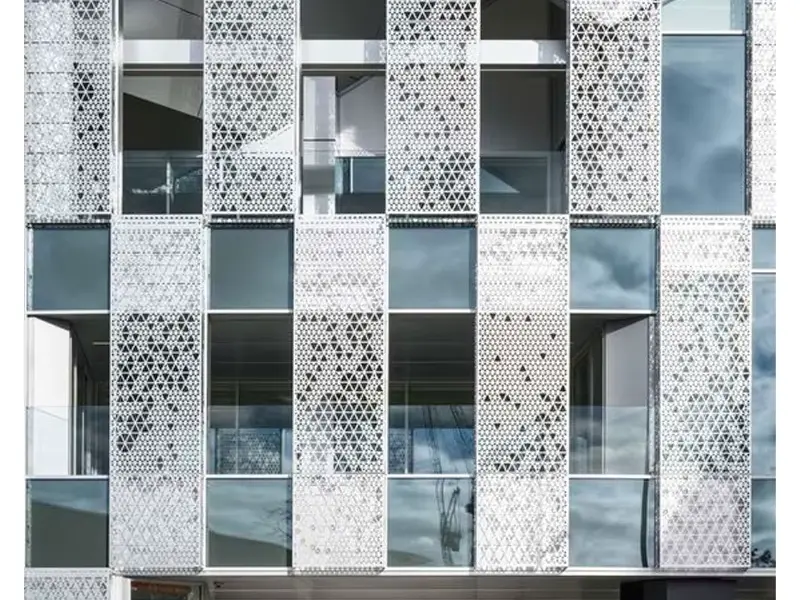
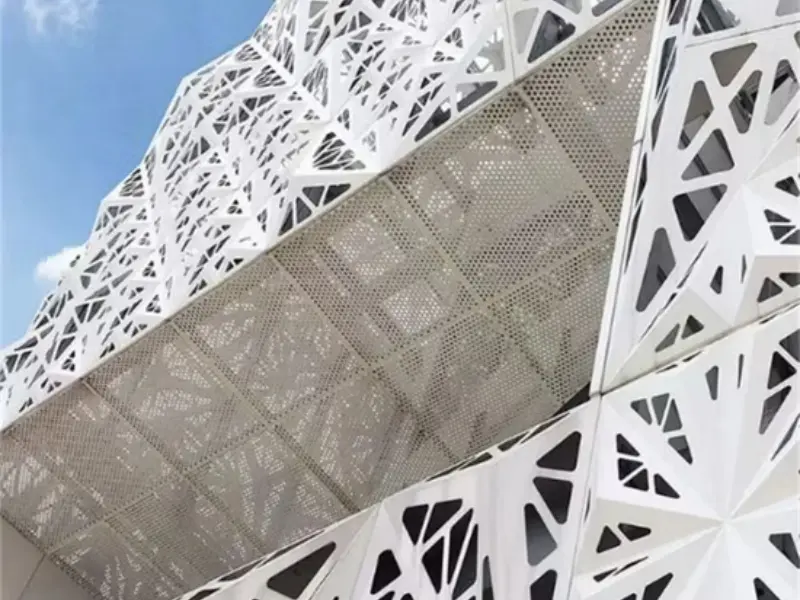
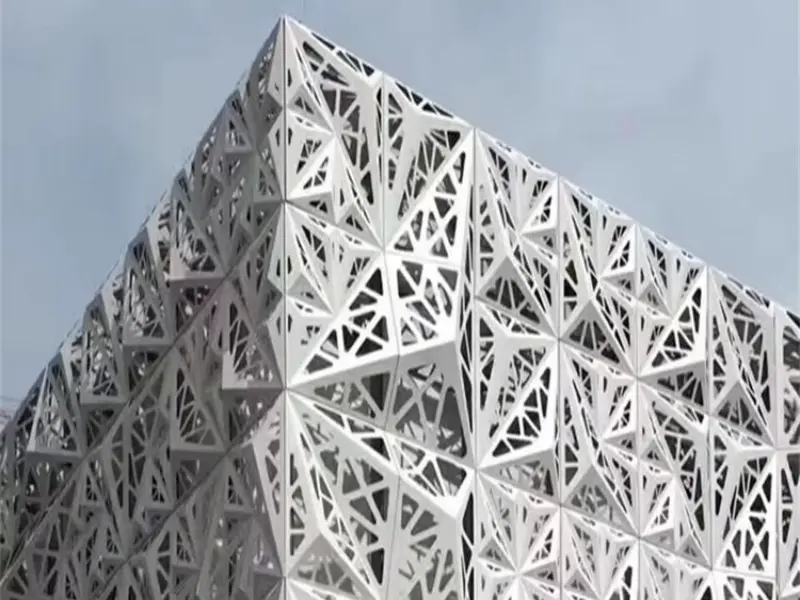
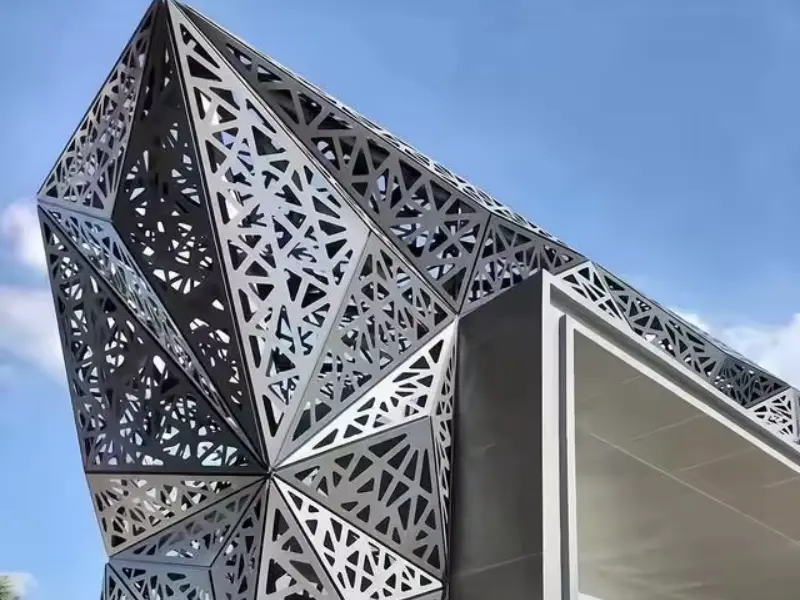
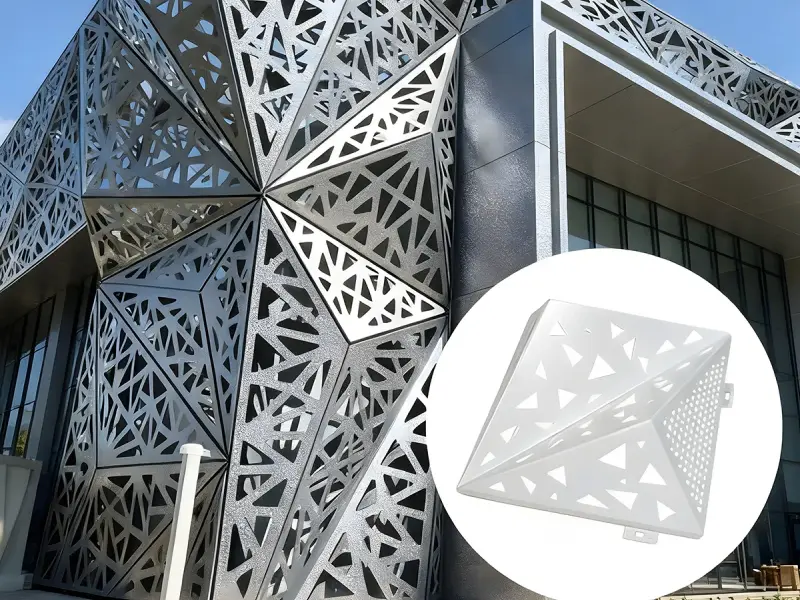
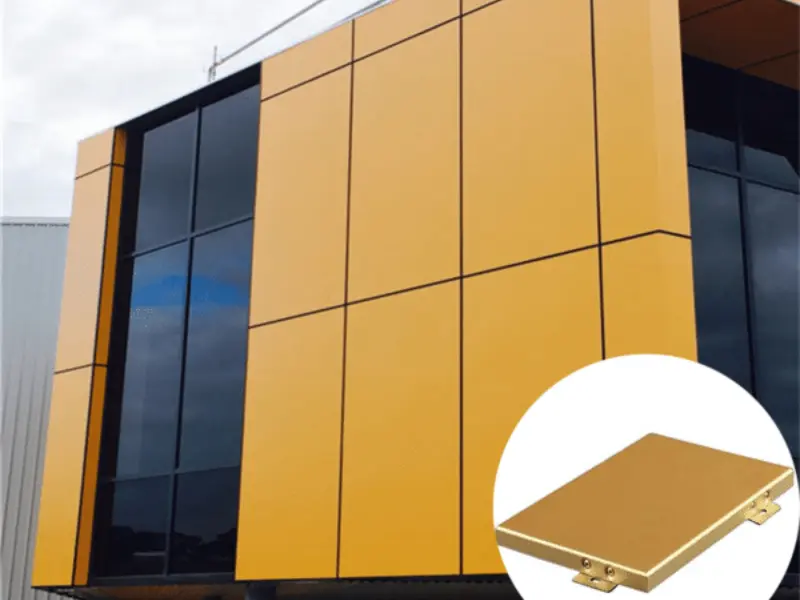
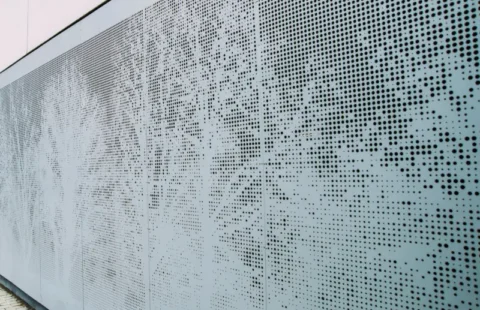
5. Aluminum Panel Curtain Wall
This type uses aluminum panels instead of glass.
Features:
- Solid surface
- High durability
- Good privacy
Applications:
- Industrial buildings
- Exterior cladding
6. Glass Aluminum Curtain Wall
This is the most common type, combining aluminum frames with glass panels.
Features:
- Natural light
- Energy-saving options available
- Clean and modern look
Applications:
- Commercial buildings
- Shopping malls
7. Double Skin Curtain Wall
This system has two layers of curtain wall with an air gap between them.
Features:
- Excellent thermal insulation
- Sound reduction
- Energy efficiency
Applications:
- Green buildings
- Energy-saving projects
8. Point-Supported Glass Curtain Wall
Features:
- Transparent appearance
- Minimal structure visible
- High-end design
Applications:
- Airports
- Exhibition halls
Technical Specifications and Specifications Table
To help you choose the right system, we have categorized the types by their technical measurements and performance levels.
| Type Code | System Name | Frame Thickness | Glass Type | Wind Pressure Resistance |
|---|---|---|---|---|
| ACW-01 | Standard Stick | 2.0 mm – 3.0 mm | Single/Double Glazed | Up to 3.5 kPa |
| ACW-02 | Unitized Panel | 3.0 mm – 5.0 mm | Triple Glazed/Low-E | Up to 5.0 kPa |
| ACW-03 | Point-Supported | Custom Steel/Alu | Tempered Laminated | Up to 4.0 kPa |
| ACW-04 | Hidden Frame | 2.5 mm – 3.5 mm | Double Insulated | Up to 3.0 kPa |
Key Components of the System
Every aluminum curtain wall relies on high-quality hardware to function correctly. Without these components, the wall would fail.
Aluminum Profiles
The frames are usually made of aluminum alloy 6063−T5 or 6063−T6. These alloys provide the perfect balance of strength and flexibility.
Glass and Glazing
The glass used is typically 6 mm to 12 mm thick. Most modern buildings use “Double Glazing” with an air gap of 12 mm to 16 mm to improve insulation.
Connection Hardware (The “Breaker” Elements)
To hold everything together, specialized hardware is used:
- Breaker Connecting Strips: These are to join different sections of the frame while maintaining thermal breaks.
- Fasteners: High-strength bolts that secure the mullions to the building’s floor slabs.
Moving Parts and Maintenance
In some advanced curtain walls, especially those with integrated windows:
- Pneumatic openers are used for automatic ventilation.
- Bearings are integrated into sliding sections to ensure smooth movement over thousands of cycles.
- Float Switches are sometimes in the drainage or integrated HVAC systems within the facade to manage condensation levels.
Applications of Aluminum Curtain Walls
- Commercial Offices: Creating a professional, glass-wrapped look for corporate headquarters.
- Retail Malls: Providing large clear spans for storefronts and entrances.
- Public Buildings: Used in airports and train stations for high durability and natural light.
- Residential Luxury Towers: Enhancing the view for high-end apartments while providing sound insulation.
- Industrial Hubs: n tech parks where a clean, modern aesthetic is required.
Performance Comparison: Stick vs. Unitized
| Feature | Stick System | Unitized System |
|---|---|---|
| Installation Speed | Slow (Built on-site) | Fast (Lifting units) |
| Labor Cost | High (Requires skilled site labor) | Low (Factory automation) |
| Transportation | Efficient (Compact parts) | Expensive (Large crates) |
| Water Tightness | Depends on site sealants | Superior (Factory sealed) |
| Seismic Resistance | Moderate | High (Flexible joints) |
Installation Process
- Surveying: Measuring the building structure to ensure the grid is accurate to within ±2 mm.
- Anchoring: Installing steel or aluminum brackets onto the concrete slabs.
- Framework: For stick systems, installing the vertical mullions first.
- Glazing: Placing the glass panels and securing them with pressure plates.
- Sealing: Applying silicone sealants to ensure the system is 100% waterproof.
Maintenance and Longevity
An aluminum curtain wall can last for over 40 to 50 years if maintained properly.
- Cleaning: Glass should be cleaned every 6 to 12 months.
- Inspection: Check the gaskets and sealants every 5 years to prevent leaks.
- Hardware Check: Ensure that any moving parts, like hinges or bearings in vent windows, are lubricated.
What is an Aluminum Curtain Wall?
An aluminum curtain wall is a non-structural outer covering of a building. It is safe. Because it is non-structural, it only needs to support its own weight and resist environmental forces like wind. Aluminum is the preferred material because it is lightweight, strong, and lasts for many years.
Why Choose Aluminum?
- Durability: It resists corrosion and rust.
- Lightweight: It reduces the load on the building’s main structure.
- Design Flexibility: It can be shaped into various profiles.
- Recyclability: Aluminum is 100% recyclable, making it eco-friendly.
Leave a Comment
You must be logged in to post a comment.