What Are the Disadvantages of Aluminium Honeycomb Panels?
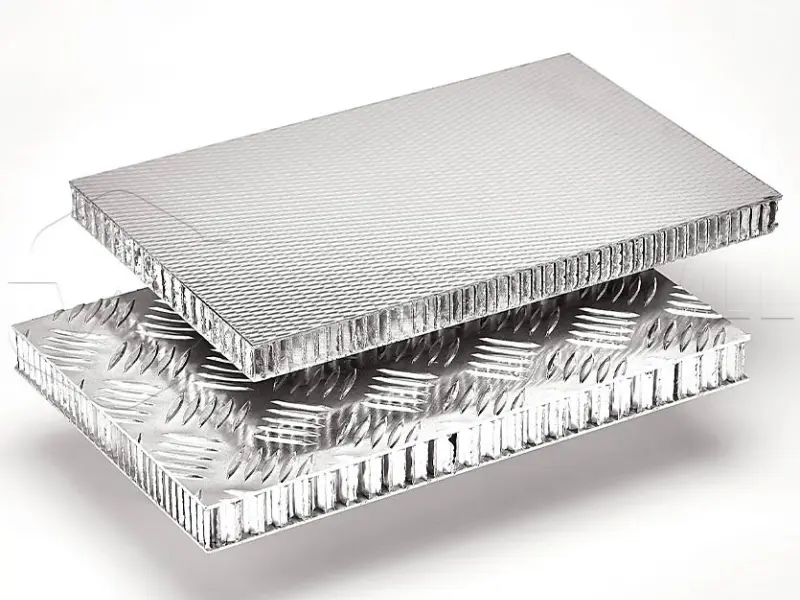
Aluminium honeycomb panels are popular in construction and transportation. They are lightweight and strong. However, they have several drawbacks.
High Cost Compared to Alternatives
Price is the biggest barrier for many buyers. Aluminium honeycomb panels cost more than solid materials.
| Material | Price Per Square Meter | Cost Difference |
|---|---|---|
| Solid aluminium sheet | $50-80 | Baseline |
| Aluminium honeycomb panel | $150-300 | 3-5x higher |
| Steel plate | $30-50 | Lower cost |
| Plywood | $20-40 | Much lower |
| Fiberglass panel | $80-120 | Moderate savings |
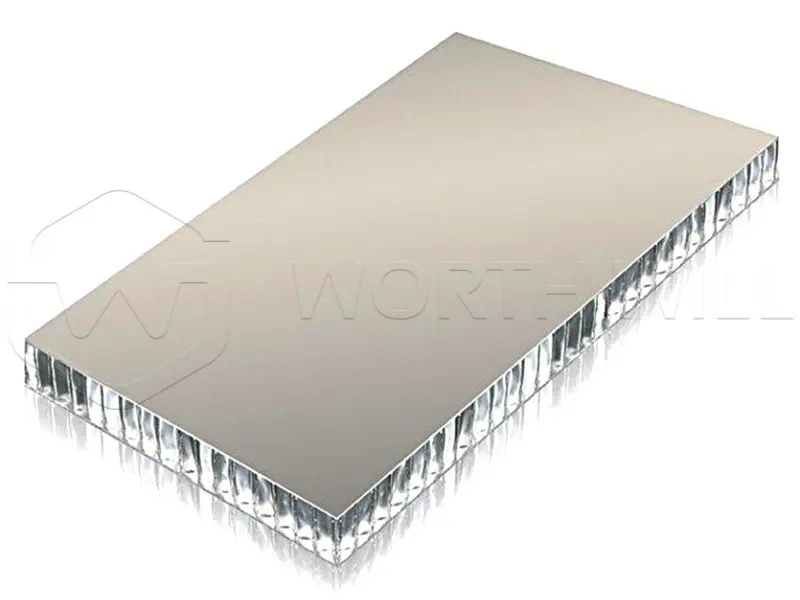
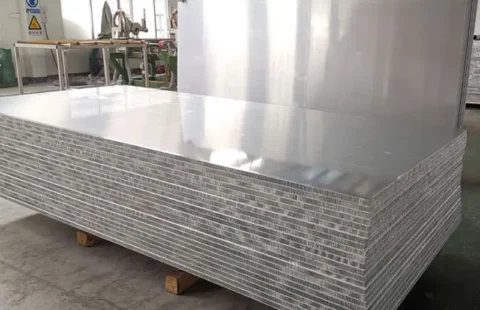
The high price comes from complex manufacturing. The honeycomb core requires special machines. Bonding layers needs precise control. Labour costs add up quickly.
Small projects feel this pain most. A 10% cost overrun hurts a big budget less. For small jobs, the panel price can break the bank.
Complex Installation Requirements
These panels need skilled workers. Amateur installation causes failures.
| Installation Factor | Requirement | Risk if Ignored |
|---|---|---|
| Cutting tools | CNC router or water jet | Rough edges, core damage |
| Joining method | Special adhesives or welding | Weak seams, separation |
| Sealing edges | Must seal exposed honeycomb | Moisture entry, corrosion |
| Support structure | Specific framing spacing | Panel sagging, failure |
| Handling | Two-person minimum | Denting, bending |
Training takes time. Not all contractors know these panels. You may wait weeks for qualified installers. This delays projects and adds labour costs.
Difficult Repairs
Damage happens. Fixing these panels is hard.
| Damage Type | Repair Difficulty | Solution |
|---|---|---|
| Surface dent | Moderate | Fill and paint, visible patch |
| Core crush | High | Replace whole panel |
| Edge delamination | Moderate | Inject adhesive, clamp |
| Corner impact | High | Usually requires replacement |
| Scratch through coating | Low | Touch-up paint |
You cannot simply weld a patch. The honeycomb structure complicates everything. Small damage often means full panel replacement. This gets expensive fast.
Limited Load-Bearing Capacity
These panels excel in some areas. They fail in others.
| Load Type | Performance | Better Alternative |
|---|---|---|
| Distributed light loads | Excellent | Keep using honeycomb |
| Point loads | Poor | Solid metal or thick plywood |
| Impact resistance | Moderate | Steel or composite materials |
| Heavy static weight | Poor | Reinforced concrete or steel |
| Repeated stress | Moderate to poor | Solid aluminium plate |
A concentrated weight creates dents. The thin face sheets deform easily. Heavy equipment mounting requires extra reinforcement. This adds weight and cost.
Moisture and Corrosion Risks
Aluminium resists rust. The panel design creates weak spots.
| Vulnerability | Cause | Prevention |
|---|---|---|
| Edge corrosion | Exposed core cells | Proper edge sealing |
| Skin separation | Moisture in adhesive | Quality manufacturing |
| Core degradation | Water trapped inside | Drainage holes, ventilation |
| Galvanic corrosion | Contact with dissimilar metals | Isolation barriers |
Once moisture enters, it spreads through the honeycomb. Detection is difficult. Repair is nearly impossible. Prevention is the only real solution.
Fire Performance Concerns
Fire safety matters in buildings. These panels have limitations.
| Fire Property | Typical Performance | Building Code Impact |
|---|---|---|
| Core material | Often flammable polymer | May require fire-rated core |
| Smoke generation | Moderate to high | Restricted in some occupancies |
| Flame spread | Varies by coating | Testing required |
| Structural integrity in fire | Loses strength quickly | Requires fireproofing |
Some cores use aluminium only. These cost more but resist fire better. Standard panels need careful evaluation for high-rise buildings.
Acoustic Limitations
Sound control is poor with these panels.
| Acoustic Property | Performance | Better Options |
|---|---|---|
| Sound absorption | Low | Mineral wool panels |
| Sound insulation | Moderate | Double-wall systems |
| Vibration damping | Poor | Viscoelastic composites |
| Impact noise | Transmits easily | Floating floor systems |
The rigid structure carries sound waves efficiently. Empty honeycomb cells act as resonance chambers. Special acoustic versions exist but cost extra.
Thermal Expansion Issues
Aluminium expands when heated. This causes problems in large installations.
| Temperature Effect | Result | Mitigation |
|---|---|---|
| Expansion | Panel buckling | Expansion joints every 3-4 meters |
| Contraction | Seam gaps | Flexible sealants |
| Thermal bridging | Energy loss | Thermal breaks in framing |
| Differential movement | Fastener loosening | Slotted holes, flexible mounts |
Designers must plan for movement. Small projects ignore this. Large facades suffer without proper detailing.
Limited Design Flexibility
These panels suit flat or gently curved surfaces. Complex shapes are hard.
| Shape Challenge | Difficulty | Alternative |
|---|---|---|
| Tight curves | Very difficult | Vacuum-formed plastics |
| Compound curves | Nearly impossible | Hand-laid composites |
| Deep draws | Not feasible | Metal stamping |
| Intricate patterns | Limited | CNC machined solid panels |
Each curve requires custom tooling. Small production runs become prohibitively expensive. Architects must simplify designs to use these panels economically.
Environmental Impact
The ecological footprint surprises some buyers.
| Factor | Impact | Comparison |
|---|---|---|
| Embodied energy | High | More than solid aluminium |
| Recyclability | Complex | Must separate core and skins |
| Manufacturing waste | Significant | Cutting scraps, adhesive overflow |
| Transportation | Lower due to light weight | Benefit versus solid materials |
| Lifespan | 15-25 years typical | Shorter than solid metal |
Recycling is technically possible. Practically, it rarely happens. The bonded layers resist separation. Most panels end up in landfills.
Quality Variability
Not all panels meet the same standards.
| Quality Factor | Cheap Panels | Premium Panels |
|---|---|---|
| Core cell size | Irregular, weak | Uniform, strong |
| Adhesive coverage | Spotty, delamination risk | Complete, reliable |
| Face sheet thickness | Thin, easily dented | Adequate, durable |
| Coating quality | Peels, fades | Lasts 20+ years |
| Dimensional tolerance | Poor fit | Precise installation |
Low-cost suppliers cut corners. Buyers discover problems years later. Replacement costs exceed initial savings.
When to Use Despite Disadvantages
These panels still fit specific needs. Know when benefits outweigh problems.
Best Applications
- Aircraft interiors where weight matters most
- High-speed train floors and walls
- Clean room ceilings in pharmaceutical plants
- Racing vehicle bodies
- Portable exhibition stands
- Yacht interiors for corrosion resistance
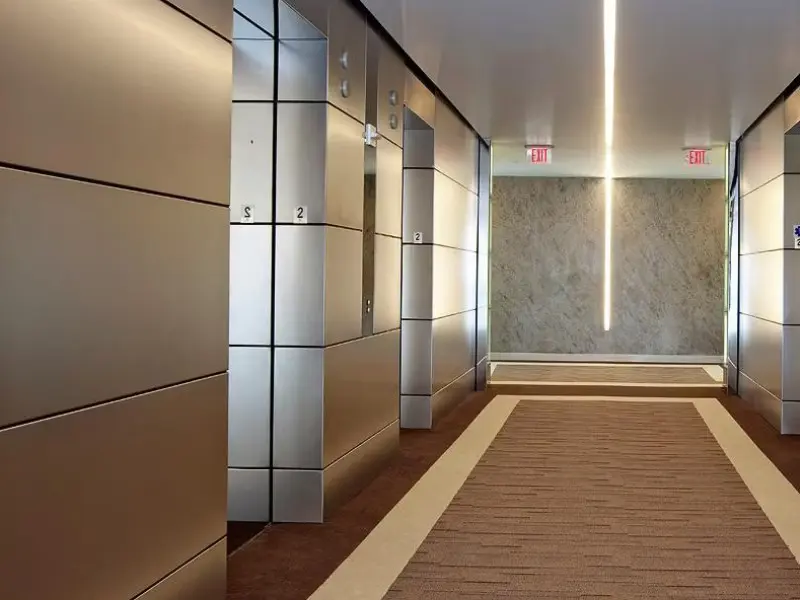
- Elevator cabs for light weight
- Partitions in seismic zones
Avoid For These Uses
| Application | Why Avoid | Better Choice |
|---|---|---|
| Heavy industrial flooring | Insufficient load capacity | Steel plate or concrete |
| Exterior building cladding in cold climates | Thermal movement issues | Unitized curtain wall |
| Swimming pool enclosures | Constant moisture risk | Fibre cement panels |
| Blast-resistant structures | Poor impact absorption | Reinforced concrete |
| Budget housing projects | Cost prohibitive | Vinyl siding or stucco |
Comparison with Alternative Materials
| Material | Weight | Cost | Strength | Best Use |
|---|---|---|---|---|
| Aluminium honeycomb | Very light | High | Moderate | Aerospace, transport |
| Solid aluminium | Moderate | Medium | High | Structural, machined parts |
| Steel honeycomb | Heavy | Medium | Very high | Heavy industrial |
| Fiberglass composite | Light | Medium | Moderate | Boats, corrosion areas |
| Carbon fibre | Very light | Very high | Very high | Racing, premium aerospace |
| Plywood | Moderate | Low | Low to moderate | Temporary, low budget |
| Cement board | Heavy | Low | High | Exterior, wet areas |
Making the Right Choice
Evaluate your project carefully. Consider these factors.
| Decision Factor | Honeycomb Suitable? | Check |
|---|---|---|
| Weight critical | Yes | Compare with solid options |
| Budget tight | No | Consider alternatives |
| Complex curves needed | No | Choose composites or plastics |
| Fire rating required | Maybe | Verify core material |
| Long-term durability needed | Maybe | Check coating quality |
| Easy repair important | No | Choose solid materials |
| Acoustic performance key | No | Add separate treatments |
What Are the Disadvantages of Aluminium Honeycomb Panels?
Aluminium honeycomb panels offer unique benefits. They are not universal solutions. High costs limit widespread use. Installation demands expertise. Repairs are difficult. Load limits restrict applications.
Understand these disadvantages before specifying. Match the material to actual needs. Sometimes solid aluminium or steel serves better. Sometimes the weight savings justify the compromises.
Buyers should request test data. Inspect manufacturing facilities. Verify warranty terms. Cheap panels create expensive problems. Quality panels from reputable suppliers perform as designed.
Use this guide to make informed decisions. The right material choice saves money and prevents failures. Aluminium honeycomb panels excel in specific niches. Know when to use them. Know when to choose alternatives.
Leave a Comment
You must be logged in to post a comment.