Aluminium Honeycomb Panel for Wall Cladding in Australia – Supplier & Price Guide
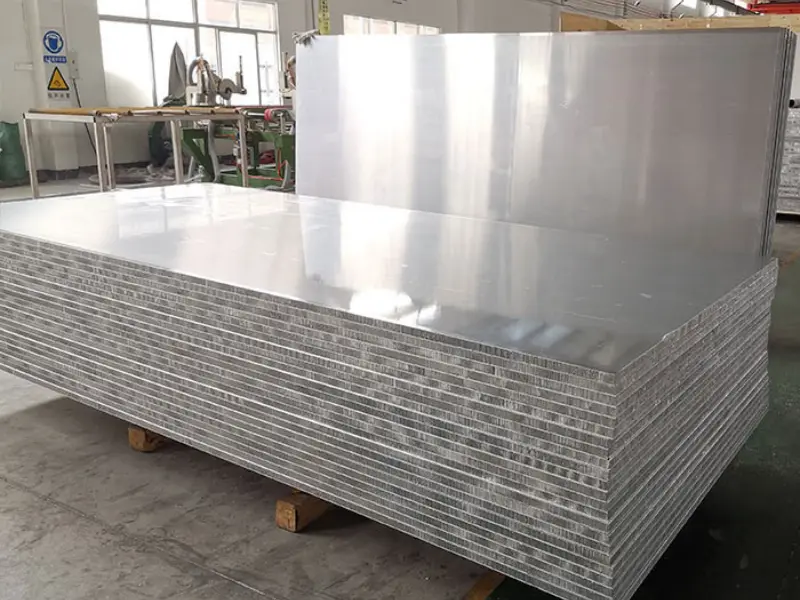
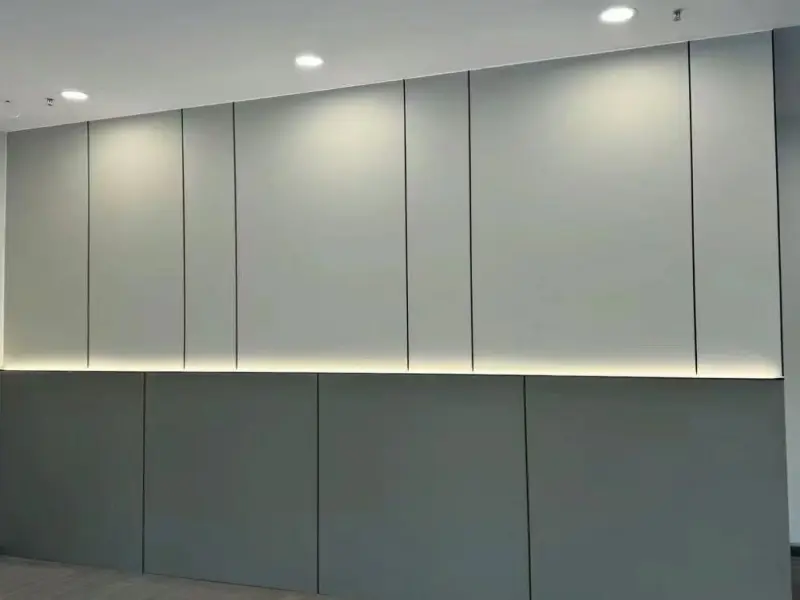
Modern architecture in Australia is changing fast. Builders and architects now look for materials that are light, strong, and safe from fire. The Aluminium Honeycomb Panel is the top choice for high-end wall cladding. Whether you are working on a high-rise in Sydney or a commercial office in Melbourne, these panels offer a clean and modern look.
Technical Specifications and Alloy Types
When choosing panels for Australian projects, you must look at the alloy and temper. Different environments (like coastal areas) require different grades.
Common Alloy Grades and Tempers
| Feature | Specification Details |
|---|---|
| Face Skin Alloy | $$3003-H24$$ or $$5052-H14$$ |
| Back Skin Alloy | $$3003$$ or $$1100$$ |
| Honeycomb Core Alloy | $$3003-H18$$ or $$5052-H18$$ |
| Adhesive | High-temperature epoxy resin |
| Surface Coating | PVDF (Polyvinylidene Fluoride) or PE |
Physical Dimensions
Most suppliers in Australia provide standard sizes, but custom cutting is common.
| Parameter | Standard Range |
|---|---|
| Panel Thickness | $$6mm$$ to $$200mm$$ |
| Standard Width | $$1220mm, 1250mm, 1500mm$$ |
| Standard Length | $$2440mm, 3000mm, 6000mm$$ |
| Aluminium Skin Thickness | $$0.5mm, 0.7mm, 1.0mm$$ |
| Core Cell Size | $$4mm, 5mm, 6mm$$ |
Why Use Honeycomb Panels for Australian Wall Cladding?
Australia has strict building codes, especially regarding fire safety (NCC standards). Aluminium is a non-combustible material. When you use a honeycomb panel with an all-metal structure, it meets high safety ratings.
1. High Rigidity and Strength
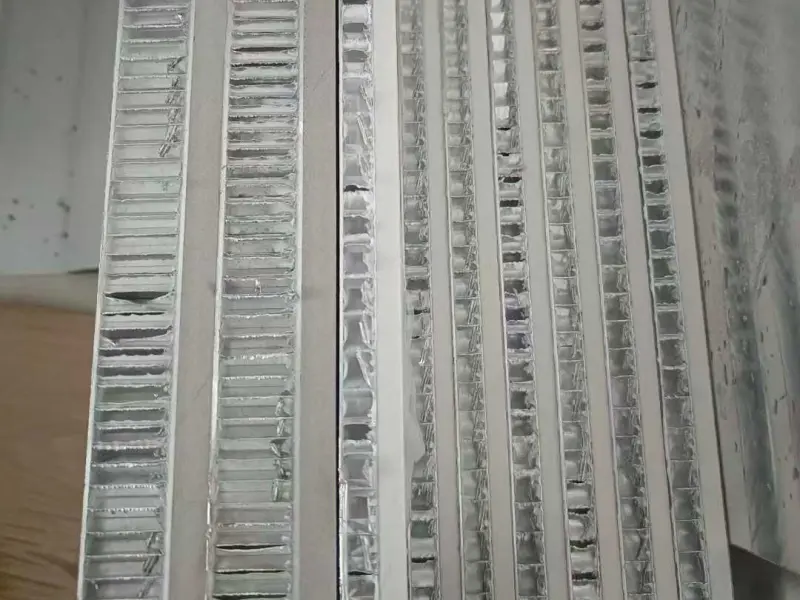
The hexagonal structure works like an I-beam. It resists tension and compression. This allows for very large panels (up to $$2$$ meters wide and $$6$$ meters long) without the surface buckling.
2. Lightweight Properties
Compared to solid aluminium or stone, these panels are much lighter. This makes them easier to install. It also reduces the load on the building’s structural frame.
3. Thermal and Acoustic Insulation
The air trapped inside the honeycomb cells acts as a barrier. It helps keep heat out during hot Australian summers and keeps noise from the street away from the interior.
4. Weather Resistance
With a PVDF coating, these panels can last over $$20$$ years. They resist salt air, UV rays, and heavy rain. This is vital for projects in coastal cities like Brisbane or Perth.
Different Types of Aluminium Honeycomb Panels
Not all panels are the same. Depending on your design, you can choose from various finishes and structures.
Standard PVDF Coated Panels
These are the most common for external walls. The PVDF paint contains a high percentage of fluorocarbon resin. This makes the color stay bright for decades. You can choose any color from the RAL chart.
Wood-Grain and Stone-Grain Panels
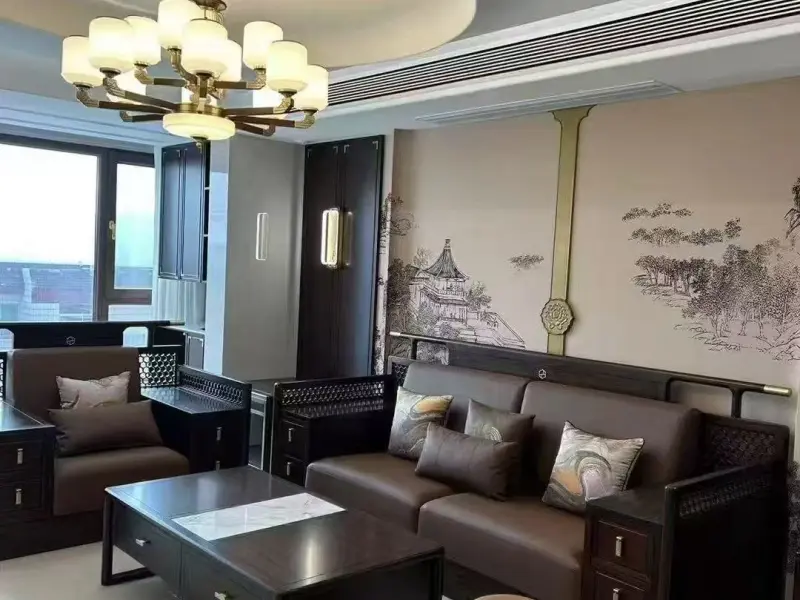
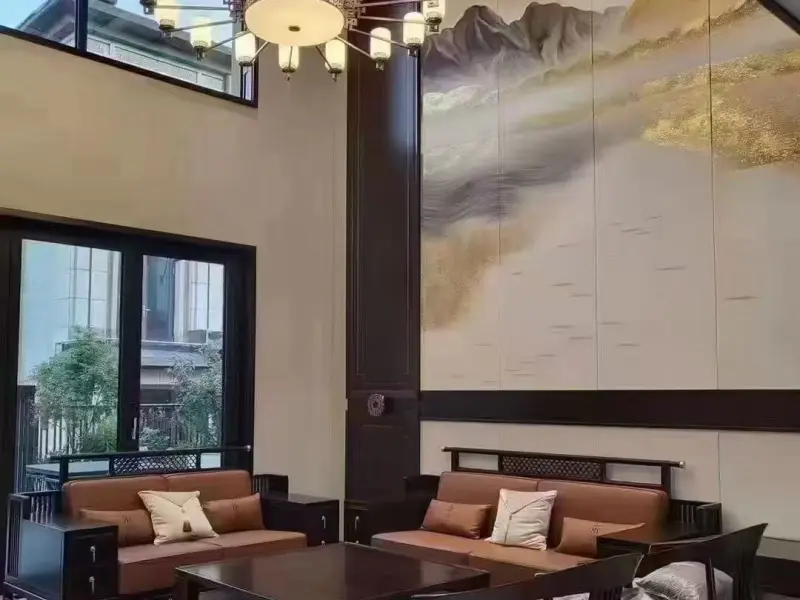
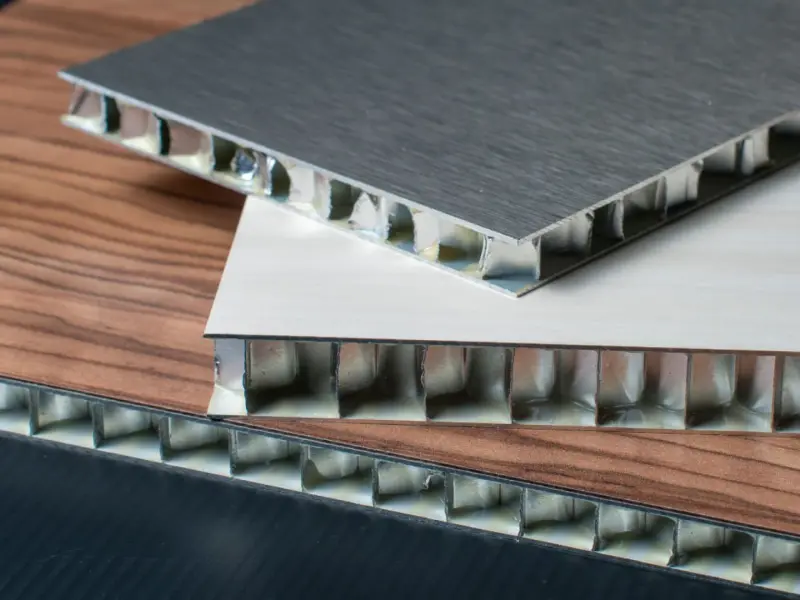
If you want the look of natural timber or marble but without the weight, these are perfect. Suppliers use a heat-transfer process to print patterns on the aluminium. They look realistic but are much more durable than real wood.
Anodized Honeycomb Panels
Anodizing creates a hard, metallic finish. It is not a paint layer; it is part of the metal. These are often used for luxury storefronts and high-end residential facades.
Mirror Finish Honeycomb Panels
These panels have a highly reflective surface. They are often used for interior feature walls or specific architectural accents to create a sense of space and light.
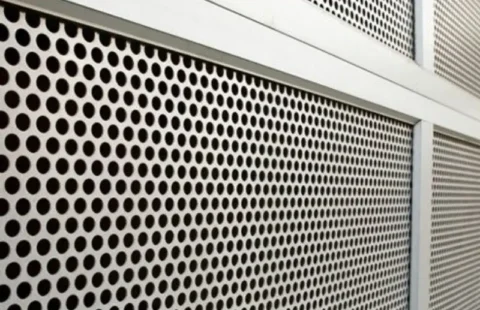
Perforated Honeycomb Panels
The outer skin has small holes drilled into it. This is usually used for acoustic purposes inside stadiums, theaters, or large transit hubs like airports.
Application Areas in Australia
Where should you use these panels? Here is a list of common applications:
- External Facades: High-rise apartments and office towers.
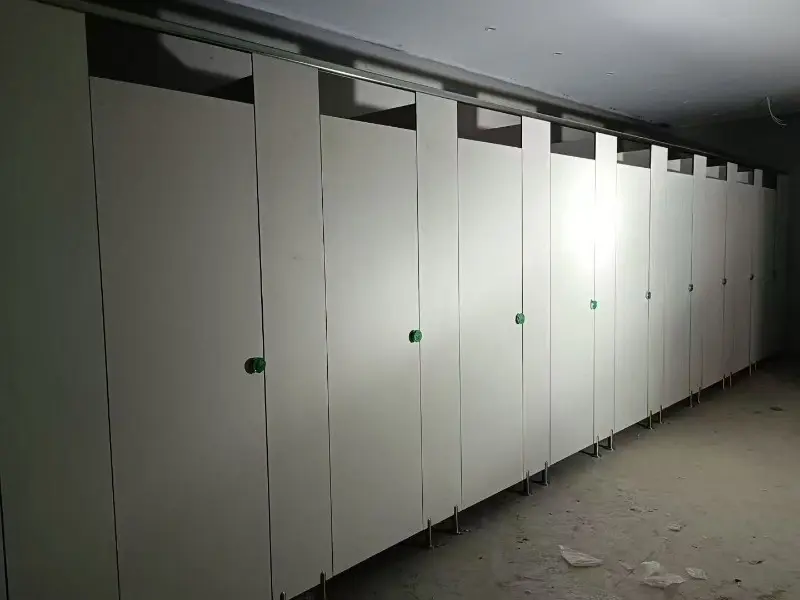
- Interior Partitions: Lightweight walls for modern office layouts.
- Ceiling Systems: Large-scale commercial ceilings that need to stay flat.
- Clean Rooms: Used in hospitals and labs because they are easy to clean.
- Transport Industry: Used in trains, buses, and marine vessels for flooring and walls.
- Signage: Large outdoor billboards that need to withstand wind loads.
Price Guide for Aluminium Honeycomb Panels in Australia
Prices change based on the thickness of the skin and the total thickness of the panel. Below is a general estimate in Australian Dollars ($$AUD$$).
| Panel Type | Total Thickness | Est. Price per SQM (Supply Only) |
|---|---|---|
| Standard PVDF | $$10mm$$ | $$$75 – $95$$ |
| Standard PVDF | $$15mm$$ | $$$90 – $115$$ |
| Standard PVDF | $$20mm$$ | $$$110 – $140$$ |
| Wood/Stone Finish | $$12mm$$ | $$$100 – $130$$ |
| Anodized Finish | $$10mm$$ | $$$120 – $160$$ |
Note: Prices vary based on order volume and custom dimensions. Installation costs are usually separate and can range from $$$150$$ to $$$300$$ per square meter depending on the complexity.
What is an Aluminium Honeycomb Panel?
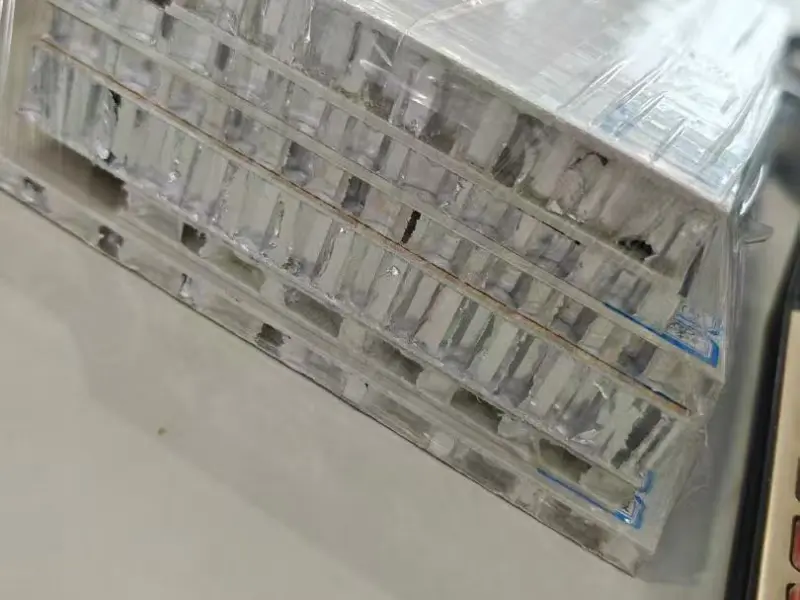
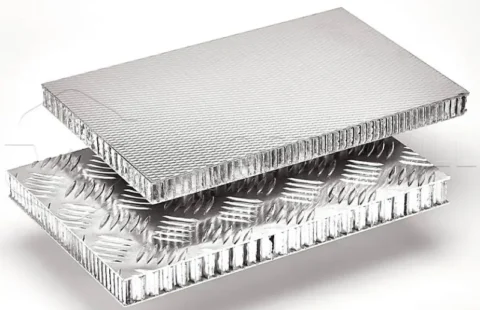
An aluminium honeycomb panel is a sandwich-type structure. It has two thin aluminium sheets bonded to a core that looks like a beehive. This “honeycomb” core is made of hexagonal cells. This design makes the panel very stiff but also very light.
In Australia, these panels are popular for external wall cladding because they do not warp. They stay flat even in the harsh Australian sun. Because they use less raw material than solid aluminium plates, they are also an eco-friendly choice for sustainable building projects.
How to Choose the Right Supplier
When looking for a supplier in Australia, you must verify their certifications.
Check for Fire Compliance
Ask for the AS1530.1 or AS1530.3 test reports. This ensures the material is safe for use on Australian buildings. Non-compliant cladding can lead to huge legal issues and insurance problems.
Quality of the Core
Some cheap panels use low-grade glue. Over time, the skin can peel off (delamination). Ensure the supplier uses high-grade epoxy and a continuous thermal bonding process.
Coating Warranty
A good supplier should offer a warranty on the coating. For PVDF, this is usually between $$15$$ and $$20$$ years.
Installation Basics
Installing aluminium honeycomb panels is usually done with a “hanging” system or a “fixed” system.
- Preparation: The sub-frame (usually aluminium or steel top hats) must be perfectly level.
- Fabrication: Panels are cut and folded. Often, the edges are “returned” to hide the honeycomb core.
- Mounting: Panels are fixed to the frame using brackets or rivets.
- Sealing: For external walls, weatherproofing is done using silicone sealants or gasket systems.
Maintenance Tips for Cladding
Maintaining your wall cladding is easy. Because the surface is smooth, dirt does not stick easily.
- Regular Cleaning: Wash the panels with clean water and a mild detergent once a year.
- Avoid Harsh Chemicals: Do not use strong acids or abrasive tools that might scratch the PVDF layer.
- Inspection: Check the joints and sealants every few years to ensure the building remains watertight.
Frequently Asked Questions (FAQ)
Is aluminium honeycomb better than ACP (Aluminium Composite Panel)?
Yes, for many uses. While ACP uses a plastic (polyethylene) or mineral core, the honeycomb panel is all-metal. This makes it stiffer and generally safer in terms of fire resistance.
Can I get custom colors?
Yes. Most suppliers can match any color if the order is large enough. For smaller projects, standard whites, greys, and silvers are readily available.
Are these panels recyclable?
Yes. Both the skins and the core are made of aluminium. This makes them $$100%$$ recyclable at the end of the building’s life.
Aluminium Honeycomb Panel for Wall Cladding in Australia
The Aluminium Honeycomb Panel is a premium choice for wall cladding in Australia. It offers a perfect mix of beauty, strength, and fire safety. While the initial price might be higher than some other materials, the long-term benefits of durability and low maintenance make it a smart investment.
If you are looking for a supplier, ensure they provide the correct Australian standard test results. Whether you need a wood-grain finish for a cozy interior or a high-gloss PVDF for a skyscraper, there is a honeycomb solution for your project.
Leave a Comment
You must be logged in to post a comment.