Glass and Aluminium Curtain Wall System for Offices
A glass and aluminium curtain wall system is a non-load-bearing exterior wall. It hangs on the building frame like a curtain. The system uses aluminium profiles to hold glass panels. It gives offices a modern look. It also brings in natural light.
This system does not carry the building’s weight. It only carries its own weight and wind loads. The aluminium frame supports the glass. The glass keeps weather out. Together, they create a sleek facade for office buildings.
Why Offices Choose This System
Office buildings need light. Workers perform better with daylight. A glass and aluminium curtain wall system fills interiors with sunlight. It also cuts energy costs for electric lighting.
Aluminium is light but strong. It resists rust. It lasts for decades. Glass panels can be double-glazed or triple-glazed. This improves insulation. Offices stay cool in summer and warm in winter.
The system also offers design freedom. Architects can create tall, open facades. They can mix glass colours and aluminium finishes. Every office building can look unique.
Key Materials and Specifications
Aluminium Alloys for Curtain Wall Profiles
Not all aluminium is the same. The alloy and temper matter. They decide strength, finish quality, and workability.
The most common alloy for curtain walls is 6063. It belongs to the 6000 series. This alloy has magnesium and silicon. It extrudes well. It also takes surface finishes nicely.
Another option is 6060. It extrudes even better than 6063. It suits complex shapes and thin walls.
For higher strength, some projects use 6061 or 6005A. These alloys handle heavier loads. They work well for tall office towers.
| Alloy | Series | Key Feature | Common Use |
|---|---|---|---|
| 6063 | 6000 | Excellent extrudability, good surface finish | Standard curtain wall frames |
| 6060 | 6000 | Superior extrudability, thin-wall capable | Decorative and complex profiles |
| 6061 | 6000 | Higher strength, good corrosion resistance | Structural mullions in high-rise offices |
| 6005A | 6000 | Medium-high strength, good weldability | Load-bearing brackets and frames |
| 6082 | 6000 | High strength, structural grade | Heavy-duty commercial facades |
Temper Designations
Temper shows how the aluminium is treated after extrusion. It affects hardness and strength.
| Temper | Description | Typical Application |
|---|---|---|
| T4 | Solution heat-treated, naturally aged | Profiles that need bending after extrusion |
| T5 | Cooled from extrusion, artificially aged | Standard window and curtain wall frames |
| T6 | Solution heat-treated, artificially aged | High-strength mullions and structural members |
| T66 | Special T6 variant with tighter properties | Premium architectural systems |
For most office curtain walls, 6063-T5 is the standard choice. It balances cost and performance. For taller buildings or wider spans, 6063-T6 or 6005A-T6 may be specified.
Profile Wall Thickness
Wall thickness affects strength and weight. Thicker walls handle more load. Thinner walls save material and cost.
| Application | Typical Wall Thickness |
|---|---|
| Residential windows | 1.2 – 1.8 mm |
| Commercial curtain walls | 1.8 – 3.0 mm |
| High-rise structural mullions | 3.0 – 5.0 mm |
A 3 mm wall thickness in 6063-T5 or 6063-T6 offers good structural performance. It resists wind load well. It also provides strong threads for hardware screws.
Types of Glass and Aluminium Curtain Wall Systems
By Frame Visibility
Exposed Frame System
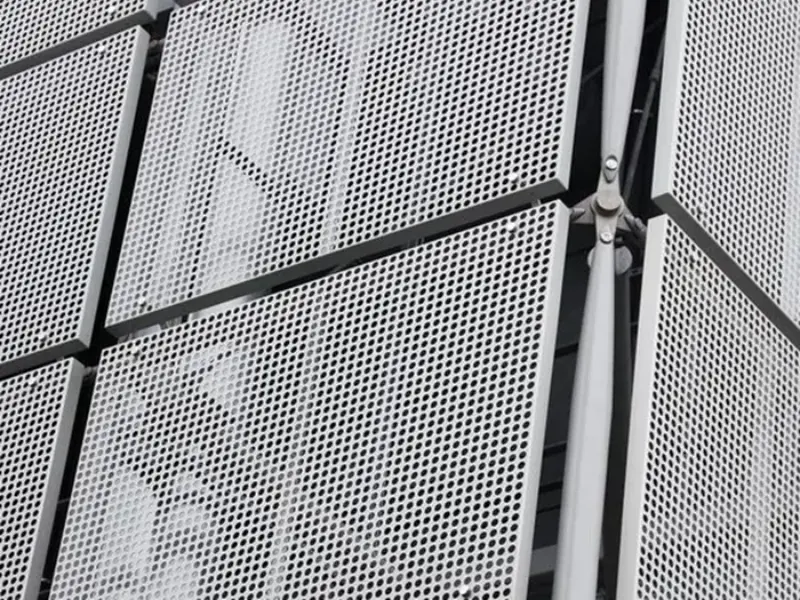
The aluminium frame is visible from the outside. Horizontal and vertical mullions create a grid pattern. This is the most common type. It is easy to install. It also costs less than hidden frame options.
Hidden Frame System
The aluminium frame sits behind the glass. Only glass and narrow seal lines show on the exterior. This gives a clean, seamless look. It suits high-end office towers.
Semi-Exposed Frame System
Some mullions are visible. Others are hidden. This creates a mixed appearance. It offers a balance between cost and aesthetics.
| Frame Type | Visibility | Best For |
|---|---|---|
| Exposed frame | Grid pattern visible | Budget-friendly office buildings |
| Hidden frame | Seamless glass surface | Premium corporate headquarters |
| Semi-exposed frame | Partial grid visible | Mid-range commercial projects |
By Installation Method
Stick System
Workers install mullions and transoms piece by piece on site. Then they fit the glass. This method suits smaller projects. It also works where crane access is limited.
Unitised System
Factory-made panels arrive on site ready to hang. Each panel includes frame, glass, and seals. Workers lift them into place. This speeds up construction. It also improves quality control. Tall office buildings often use this method.
| Installation Type | Where It Works | Key Benefit |
|---|---|---|
| Stick system | Low-rise offices, tight sites | Lower transport cost, flexible sizing |
| Unitised system | High-rise towers, large projects | Fast install, factory precision |
By Thermal Performance
Standard System
Single-piece aluminium profiles conduct heat. This is fine for mild climates. It costs less.
Thermally Broken System
A polyamide strip separates the inner and outer aluminium sections. This stops heat transfer. Offices in hot or cold climates benefit most. Energy bills drop. Indoor comfort rises.
| Thermal Type | U-Value Range | Climate Suitability |
|---|---|---|
| Standard | Higher heat transfer | Mild climates, temperate zones |
| Thermally broken | Lower heat transfer | Hot summers, cold winters, energy codes |
Glass Options for Office Curtain Walls
The glass is as important as the frame. Different glass types serve different needs.
| Glass Type | Feature | Office Benefit |
|---|---|---|
| Tempered glass | 4–5 times stronger than standard | Safety, impact resistance |
| Laminated glass | Plastic interlayer holds shards | Security, sound reduction |
| Double-glazed (IGU) | Two panes with air or gas gap | Thermal insulation, energy savings |
| Triple-glazed | Three panes for extreme climates | Maximum insulation, lowest U-value |
| Low-E glass | Reflects infrared heat | Keeps offices cool in summer, warm in winter |
| Tinted glass | Reduces glare and solar heat | Comfort near windows, lower cooling load |
Most modern office buildings use double-glazed Low-E units. They balance cost and performance. For green building certifications, triple-glazed or advanced coatings may be required.
Surface Finishes for Aluminium Profiles
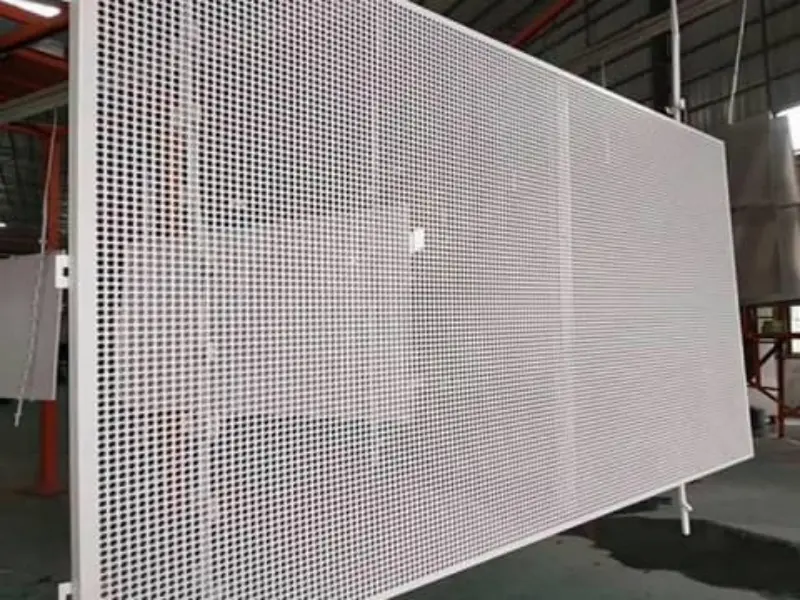
The finish protects aluminium. It also defines the building’s appearance.
| Finish Type | Thickness | Colour Options | Durability |
|---|---|---|---|
| Mill finish | None | Natural silver | Basic, indoor use only |
| Anodizing | 8 – 25 microns | Silver, bronze, black, gold | 10–20 years outdoor |
| Powder coating | 40 – 120 microns | Full RAL range, custom colours | 15–25 years outdoor |
| PVDF coating | 25 – 40 microns | Wide range, metallic effects | 20–30 years, chalk-resistant |
| Wood grain transfer | 40 – 80 microns | Oak, walnut, teak look | 10–15 years outdoor |
Anodizing hardens the natural oxide layer. It resists scratches and corrosion. Powder coating offers the most colour choices. PVDF lasts longest in harsh sun or coastal air.
Specifications at a Glance
| Parameter | Typical Range |
|---|---|
| Alloy | 6063, 6060, 6061, 6005A |
| Temper | T4, T5, T6, T66 |
| Profile thickness | 1.5 mm – 5.0 mm |
| Glass thickness | 6 mm – 12 mm per pane |
| Max panel size | Up to 3 m × 6 m (custom) |
| Wind load resistance | Up to 3.0 kPa (project-specific) |
| Air infiltration | ≤ 1.5 m³/m·h at 300 Pa |
| Water penetration | None at 700 Pa |
| Thermal transmittance (U-value) | 1.5 – 2.8 W/m²·K |
| Sound reduction | 30 – 45 dB (with laminated glass) |
Applications in Office Buildings
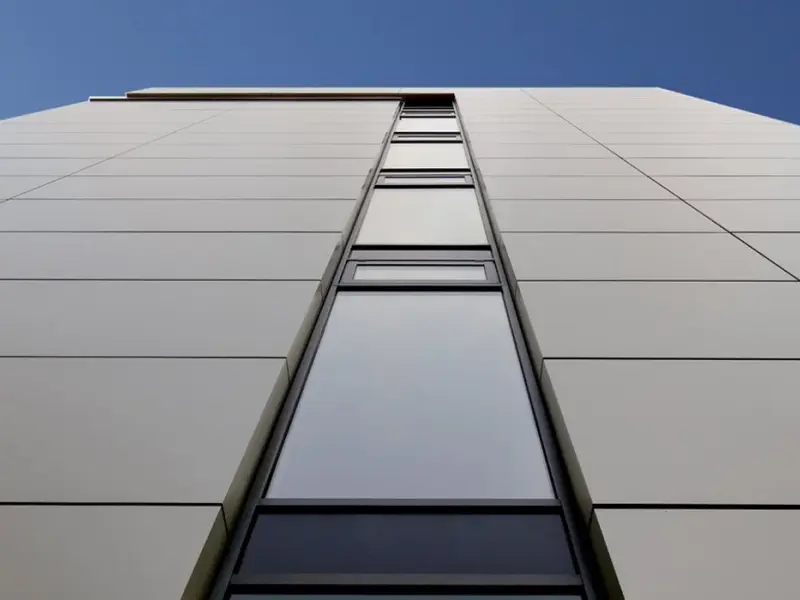
Glass and aluminium curtain wall systems suit many office scenarios:
- High-rise corporate towers — Full-height glazing creates iconic skylines
- Business parks — Low-rise blocks use stick systems for cost control
- Government offices — Unitised systems meet strict quality and schedule demands
- Tech campuses — Hidden frame and custom colours express brand identity
- Renovation projects — Lightweight aluminium overlays old facades without extra load
- Mixed-use developments — Retail at ground level, offices above, unified glass skin
- Coastal office buildings — Marine-grade finishes resist salt air corrosion
How to Choose the Right System for Your Office Project
Step 1: Define the Building Height
Taller buildings face stronger winds. They need thicker profiles and higher-strength alloys. Unitised installation also becomes more attractive as height increases.
Step 2: Check Local Energy Codes
Many regions now require thermal breaks. Some mandate maximum U-values. Check these rules early. They affect frame and glass selection.
Step 3: Set the Budget
Exposed frame stick systems cost least. Hidden frame unitised systems cost most. Find the balance between appearance, performance, and price.
Step 4: Pick the Glass First
Glass often costs more than the aluminium frame. Choose the right type for climate and comfort. Then match the frame to support it.
Step 5: Select the Finish
The finish defines the building’s face for decades. Anodizing suits modern, metallic looks. Powder coating offers bold colours. PVDF suits harsh environments.
Quality Standards and Certifications
Reputable curtain wall systems meet international standards. Look for these when sourcing:
| Standard | What It Covers |
|---|---|
| ASTM E283 | Air infiltration resistance |
| ASTM E330 | Structural performance under wind load |
| ASTM E331 | Water penetration resistance |
| AAMA 501 | Field testing of curtain walls |
| EN 13830 | European curtain wall product standard |
| ISO 9001 | Quality management system |
| ISO 14001 | Environmental management |
Always request test reports. They prove the system performs as claimed.
Maintenance Tips for Office Curtain Walls
A well-built system needs little care. Simple steps keep it looking good:
- Wash glass twice a year with mild detergent
- Inspect sealant joints annually for cracks
- Check drainage holes for blockages
- Touch up scratches on coated profiles promptly
- Schedule professional inspection every five years
With proper care, a glass and aluminium curtain wall system lasts 30 to 50 years.
What Is a Glass and Aluminium Curtain Wall System?
A glass and aluminium curtain wall system transforms an office building. It brings in daylight. It cuts energy use and creates a modern image that attracts tenants and visitors.
The key is choosing the right alloy, temper, glass, and finish. Match these to your building height, climate, and budget. Work with a supplier who provides test data and certifications. The result will be a facade that performs well and looks great for decades.
Whether you need a standard stick system for a low-rise office park or a unitised thermal break system for a downtown tower, the right glass and aluminium curtain wall system is available. Start with clear specifications. End with a building that stands out.
Leave a Comment
You must be logged in to post a comment.