Aluminium Curtain Wall for Commercial Buildings
An aluminium curtain wall is an exterior cladding system used on commercial buildings. It is lightweight, modern, and strong. The system does not carry the building load. It mainly protects the structure from wind, rain, sunlight, and temperature changes.
Many architects choose aluminum curtain wall systems because they provide a clean appearance and long service life.
Commercial curtain wall panels are widely used in:
- Office buildings
- Shopping malls
- Hotels
- Airports
- Hospitals
- Exhibition centers
- Schools
- Business towers
Modern aluminum facade systems also improve energy efficiency and building appearance.
Advantages Of Aluminium Curtain Wall Systems
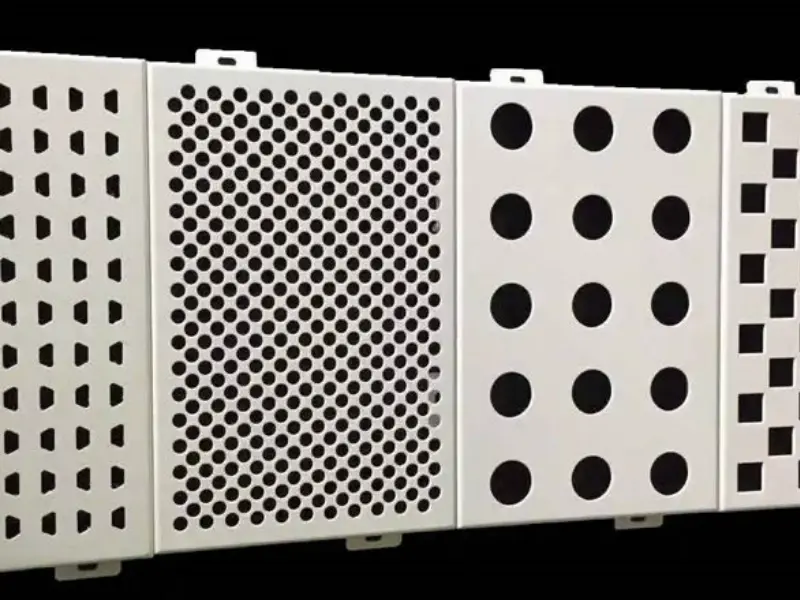
Lightweight Structure
Aluminum is lighter than steel. It reduces building load and makes installation easier.
| Material | Weight | Corrosion Resistance |
|---|---|---|
| Aluminum | Light | Excellent |
| Steel | Heavy | Medium |
| Glass | Medium | High |
Good Corrosion Resistance
Aluminium curtain wall panels can resist rain, humidity, and outdoor weather. Surface treatments improve durability.
Modern Architectural Appearance
Commercial buildings often use aluminum facades for a modern and professional look.
Popular finishes include:
- PVDF coating
- Powder coating
- Anodized finish
- Wood grain finish
- Brushed surface
Easy Fabrication
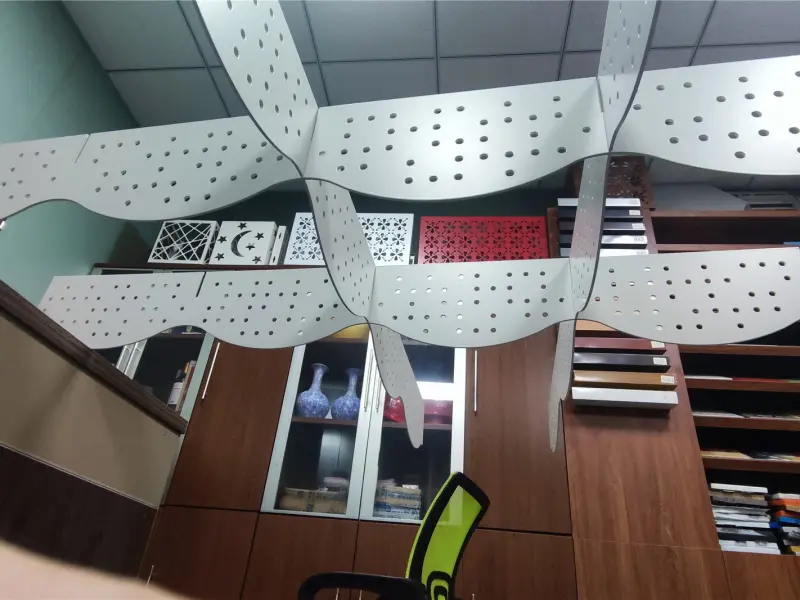
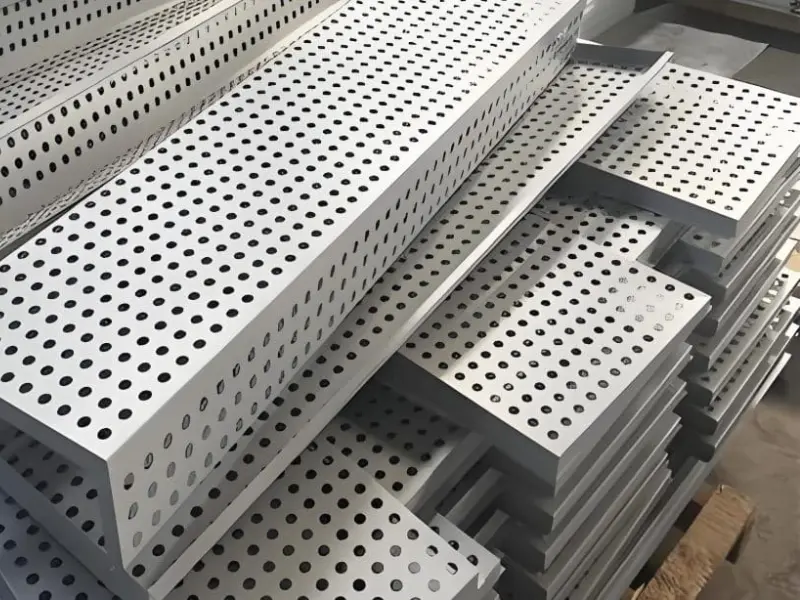
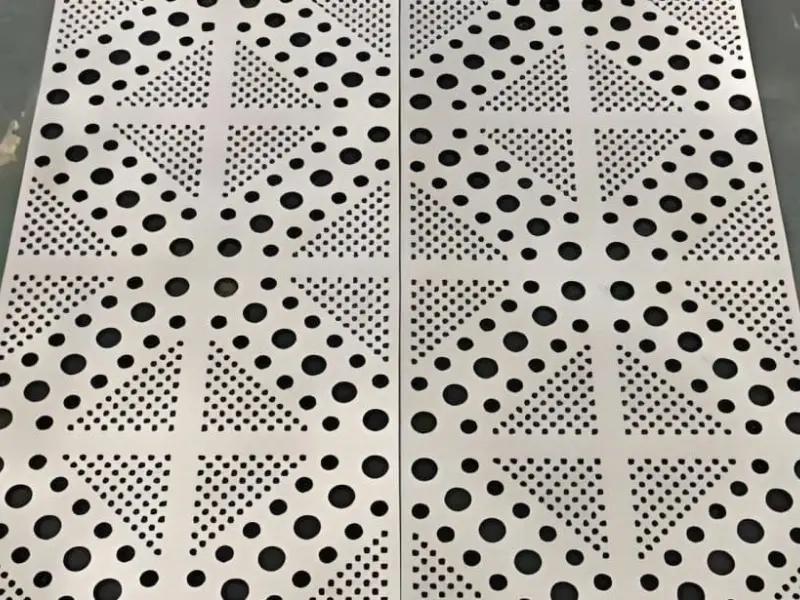
Aluminum panels can be cut, bent, perforated, and shaped easily.
This flexibility helps architects create unique facade designs.
Common Aluminium Curtain Wall Types
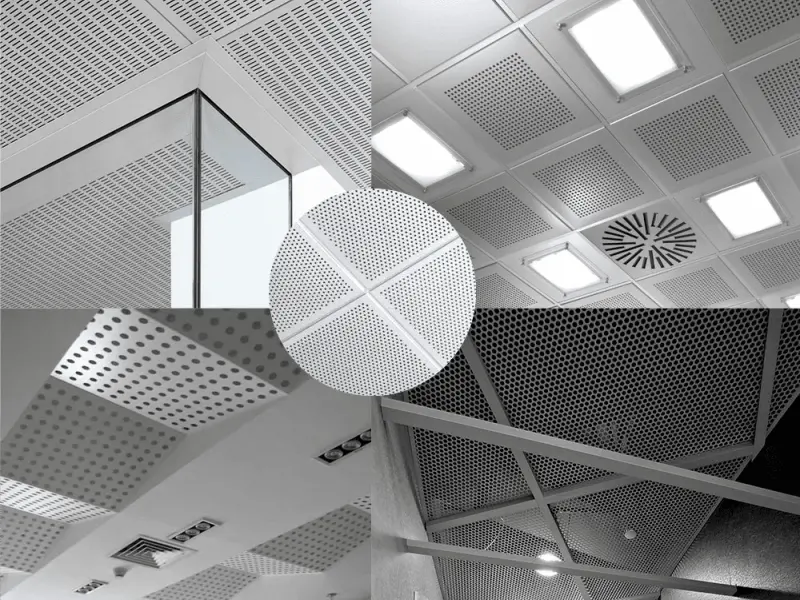
Unitized Curtain Wall System
Unitized curtain wall systems are assembled in factories before installation.
Features
- Fast installation
- Better quality control
- Suitable for high-rise buildings
Common Applications
- Office towers
- Hotels
- Commercial complexes
| Feature | Unitized System |
|---|---|
| Installation Speed | Fast |
| Labor Cost | Lower onsite |
| Project Size | Large buildings |
Stick Curtain Wall System
Stick systems are assembled at the construction site.
Advantages
- Flexible installation
- Lower transportation cost
- Suitable for small and medium projects
Applications
- Retail stores
- Schools
- Small office buildings
Semi Unitized Curtain Wall
This system combines unitized and stick structures.
Benefits
- Balanced installation cost
- Good structural performance
- Flexible design
Aluminium Panel Curtain Wall
Aluminum solid panels are widely used in commercial building facades.
Common Thickness
| Thickness | Typical Use |
|---|---|
| 2.0 mm | Interior wall |
| 2.5 mm | Commercial facade |
| 3.0 mm | Exterior wall |
| 4.0 mm | High wind area |
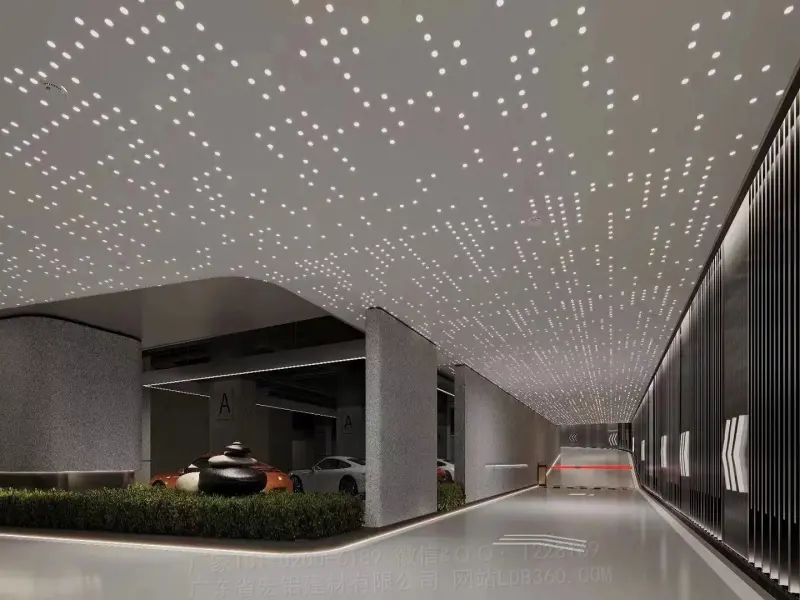
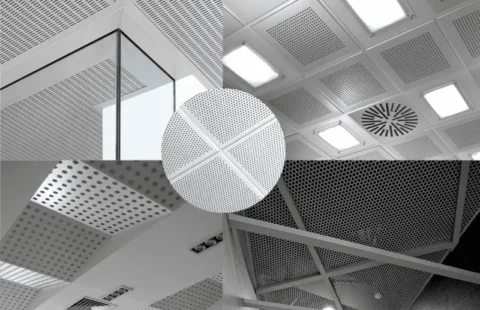
Perforated Aluminium Curtain Wall
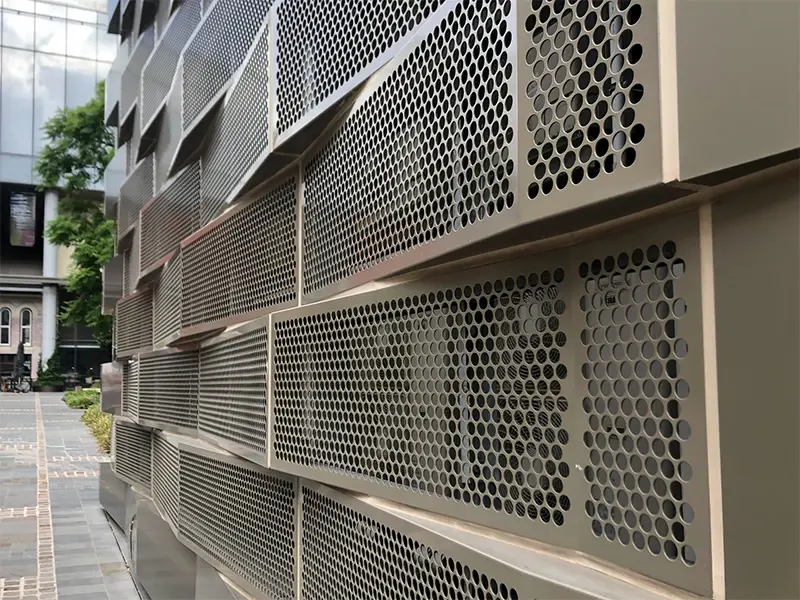
Perforated aluminum facade panels improve airflow and decorative effect.
Applications
- Parking buildings
- Sunshade systems
- Decorative facades
Benefits
- Ventilation
- Modern design
- Reduced sunlight exposure
Aluminium Curtain Wall Alloy Types
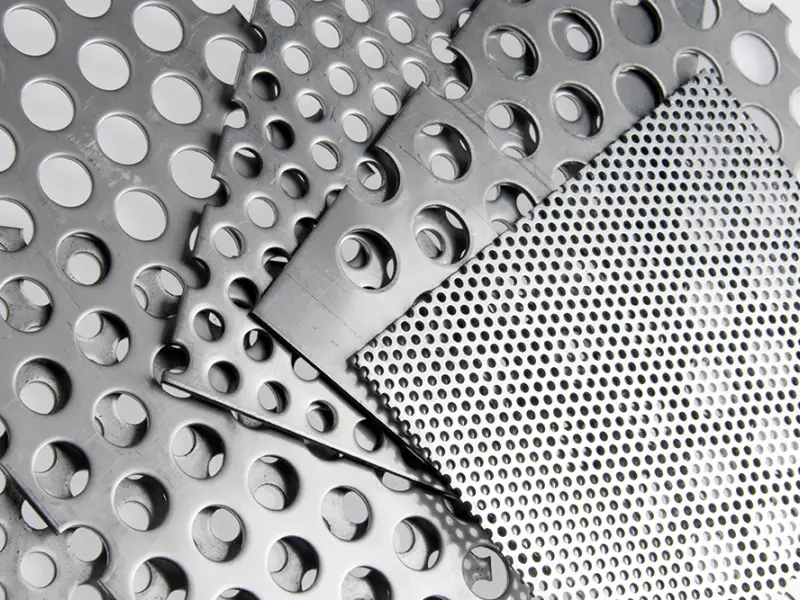
Different aluminum alloys offer different strength and corrosion resistance.
| Alloy | Features | Applications |
|---|---|---|
| 1100 | Soft and workable | Interior decoration |
| 3003 | Good corrosion resistance | General facade |
| 5005 | Better anodizing quality | Decorative panels |
| 5052 | High strength | Coastal buildings |
| 6061 | Structural performance | Heavy duty systems |
Aluminium Temper Conditions
Temper affects hardness and forming performance.
| Temper | Feature | Suitable Use |
|---|---|---|
| O | Soft | Deep bending |
| H14 | Semi hard | Standard panels |
| H24 | Stable strength | Exterior walls |
| T5 | Heat treated | Structural frames |
| T6 | High strength | Engineering systems |
Many commercial curtain wall panels use H24 or T5 temper.
Surface Treatment Options
PVDF Coated Aluminium Curtain Wall
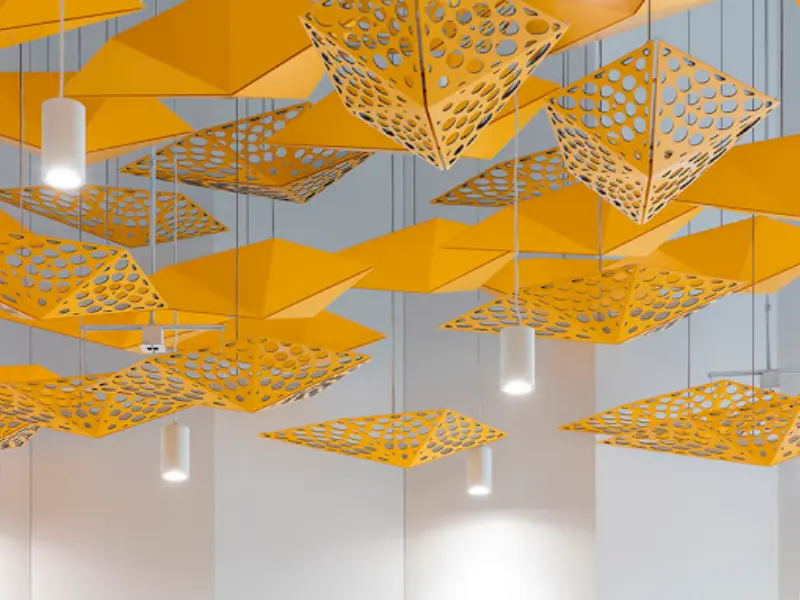
PVDF coating is popular for exterior commercial buildings.
Advantages
- UV resistance
- Long color life
- Weather resistance
Common Colors
- White
- Silver
- Grey
- Black
- Champagne
- Custom RAL colors
Powder Coated Aluminium Panels
Powder coating creates a smooth and durable surface.
Features
- Cost effective
- Decorative finish
- Indoor and outdoor use
Anodized Aluminium Curtain Wall
Anodized aluminum has a metallic appearance.
Benefits
- Elegant surface
- Scratch resistance
- Long-term durability
Wood Grain Aluminium Curtain Wall
Wood grain finish combines natural appearance with aluminum durability.
Applications
- Hotels
- Commercial interiors
- Luxury buildings
Aluminium Curtain Wall Specifications
Standard Panel Sizes
| Width | Length | Thickness |
|---|---|---|
| 600 mm | 1200 mm | 2.0 mm |
| 1000 mm | 2000 mm | 2.5 mm |
| 1220 mm | 2440 mm | 3.0 mm |
| 1500 mm | 3000 mm | 4.0 mm |
Custom sizes are available for large projects.
Curtain Wall Frame Specifications
| Component | Common Material |
|---|---|
| Frame | 6063 Aluminum |
| Fastener | Stainless Steel |
| Sealant | Silicone |
| Glass | Tempered Glass |
Popular Types of Aluminium Curtain Wall Systems
Different buildings require different installation methods. The choice depends on the project timeline and the height of the building.
Stick Curtain Wall System
In this system, the aluminium frames (mullions and transoms) are sent to the site in pieces. Workers install them one by one on the building structure. After the frame is ready, they install the glass. This is very flexible and is great for buildings with complex shapes.
Unitized Curtain Wall System
This is the modern choice for high-rise skyscrapers. The aluminium curtain wall for commercial buildings is pre-assembled into large units in our factory. This includes the frame, glass, and seals. These units are then hoisted by crane and hooked onto the building. It is very fast and has very high quality because it is made in a controlled factory environment.
Semi-Unitized System
This is a mix of both worlds. The primary structural frames are installed on-site like a stick system, but the glass panels are pre-framed in the factory. It provides a good balance of cost and speed.
Point-Supported (Spider) Systems
For luxury lobbies and showrooms, we offer spider systems. Stainless steel “spiders” hold the glass at the corners. The aluminium support is often hidden or uses thin fins. It creates a “total glass” look with very few visible frames.
Comparison: Stick System vs. Unitized System
| Feature | Stick System | Unitized System |
|---|---|---|
| Installation Speed | Slower (on-site labor) | Fast (factory assembly) |
| Cost | Lower material cost | Higher material/logistics cost |
| Quality Control | Depends on on-site workers | High (factory tested) |
| Building Height | Better for low to mid-rise | Ideal for high-rise towers |
| Storage Needs | Small space on site | Large space for panels |
Surface Treatment and Color Variety
The exterior of a commercial building must face rain, sun, and pollution for decades. We provide finishes that protect the aluminium curtain wall for commercial buildings.
PVDF Coating (Fluorocarbon)
This is the best choice for exterior facades. It resists UV rays and chemicals. It can last for over 20 years without fading. It is available in many metallic and solid colors.
Powder Coating
This is a durable and cost-effective finish. It offers thousands of color options. For commercial buildings, we use high-durability powders that resist scratching and weathering.
Anodized Finish
Anodizing makes the aluminium surface very hard. It gives a deep, metallic look like champagne, bronze, or silver. It is very popular for high-end corporate headquarters because it looks very “high-tech.”
Applications Of Aluminium Curtain Wall In Commercial Buildings
Office Buildings
Modern office towers often use aluminum curtain wall systems.
Benefits
- Professional appearance
- Natural lighting
- Energy efficiency
Shopping Malls
Commercial malls require attractive exterior designs.
Common Features
- Large glass panels
- Decorative aluminum cladding
- Custom facade patterns
Hotel Buildings
Hotels prefer aluminum facade systems because of their modern appearance.
Popular Finishes
- Champagne anodized
- Wood grain coating
- Matte black finish
Airports And Transportation Centers
Transportation buildings require durable materials.
Advantages
- Weather resistance
- Easy maintenance
- Long service life
Hospitals And Public Buildings
Aluminum curtain walls help create clean and modern spaces.
Important Features
- Fire resistance
- Easy cleaning
- Stable structure
Aluminium Curtain Wall Vs Traditional Exterior Wall
| Feature | Aluminium Curtain Wall | Traditional Wall |
|---|---|---|
| Weight | Light | Heavy |
| Installation | Faster | Slower |
| Design Flexibility | High | Medium |
| Maintenance | Easy | Medium |
| Modern Appearance | Excellent | Limited |
Many developers choose aluminum curtain wall systems for modern commercial projects.
Energy Saving Performance
Curtain wall systems help improve building energy efficiency.
Energy Saving Features
- Thermal insulation
- Sunlight control
- Reduced heat transfer
- Better indoor comfort
Low-E glass and insulated panels are often combined with aluminum curtain walls.
Fire Resistance And Safety
Commercial buildings must follow strict safety standards.
Common Safety Features
- Fire resistant core
- Strong aluminum frame
- Wind pressure resistance
- Waterproof sealing
Installation Process
Factory Fabrication
Panels are processed according to project drawings.
Processing Includes
- Cutting
- CNC punching
- Bending
- Welding
- Surface coating
Site Installation
Professional teams install curtain wall systems onsite.
Main Steps
- Frame installation
- Panel fixing
- Glass installation
- Sealant treatment
- Final inspection
Maintenance Of Aluminium Curtain Walls
Aluminum facade systems require simple maintenance.
Maintenance Tips
- Clean surface regularly
- Check sealant condition
- Inspect fasteners
- Avoid strong chemicals
Proper maintenance helps extend service life.
Understanding Glass and Infill Options
The aluminium frame is only half of the system. The glass choice affects the building’s energy efficiency.
| Glass Type | Description | Best For |
|---|---|---|
| Double Glazing | Two layers with a space (6mm+12A+6mm) | Energy saving |
| Laminated | Two layers glued together | Safety and security |
| Low-E Glass | Special coating to reflect heat | Hot climates |
| Reflective | Mirror-like finish | Privacy and sun control |
Structural Design and Load Handling
A well-designed aluminium curtain wall for commercial buildings must handle several forces.
- Dead Load: The weight of the glass and the aluminium itself.
- Wind Load: The pressure of wind hitting the building. This is very important for skyscrapers.
- Seismic Load: The ability to move slightly during an earthquake without breaking the glass.
- Thermal Expansion: Aluminium expands when it gets hot. The system must have joints that allow this movement without making noise.
Manufacturing and Factory Capabilities
Our factory is equipped with high-precision CNC machines and automatic extrusion lines. We ensure every piece of the aluminium curtain wall for commercial buildings is perfect.
- Custom Extrusion: We can create unique profiles based on the architect’s drawings.
- Testing: We test for air leakage, water penetration, and structural strength.
- Precision Cutting: We use double-head saws to ensure angles are perfect for a tight seal.
- Sealant Application: We use high-grade structural silicone that bonds the glass to the aluminium permanently.
Usage Scenarios for Curtain Walls
You will find these systems in almost every modern urban center.
- Office Towers: Used to create a professional and clean image for global companies.
- Shopping Malls: Large glass facades attract customers and show off window displays.
- Airport Terminals: High-span curtain walls provide views of the runway and handle high wind loads.
- Modern Hospitals: Glass walls help patients feel more connected to the outside world, which can help with healing.
- Bank Headquarters: Often use thick, reinforced aluminium frames for extra security and a strong appearance.
Technical Dimensions and Tolerances
Precision is vital in large-scale construction. A small error at the bottom of a building becomes a big problem at the top.
| Dimension | Standard Tolerance |
|---|---|
| Profile Length | ±1.0mm |
| Wall Thickness | ±0.15mm |
| Angle Deviation | ±1.0∘ |
| Surface Flatness | <0.2mm per meter |
Choosing the Right System for Your Project
When planning a commercial project, you must consider the local climate. If the building is near the sea, you need a thicker anodized or PVDF finish to resist salt air. If the building is in a very cold place, the thermal break must be wider to save on heating costs.
Our team of engineers can help you choose the right aluminium curtain wall for commercial buildings. We provide full technical support, from drawing the profiles to delivering the finished units to your site. By choosing aluminium, you are investing in a material that is 100% recyclable and will keep your building looking new for many years.
Why Choose Aluminium Curtain Wall For Commercial Buildings?
Main Benefits
- Lightweight structure
- Modern architectural style
- Good weather resistance
- Flexible customization
- Long service life
- Easy maintenance
Aluminum curtain wall systems are suitable for both high-rise and low-rise commercial buildings.
FAQ
What is the standard thickness for aluminium curtain wall panels?
Common thicknesses are 2.0 mm, 2.5 mm, 3.0 mm, and 4.0 mm.
Which aluminum alloy is commonly used for curtain walls?
3003, 5005, and 5052 aluminum alloys are widely used in facade systems.
Is PVDF coating suitable for outdoor buildings?
Yes. PVDF coating has strong UV and weather resistance.
Can aluminium curtain wall panels be customized?
Yes. Size, color, thickness, perforation pattern, and surface finish can all be customized.
What is the difference between unitized and stick curtain wall systems?
Unitized systems are factory assembled, while stick systems are assembled onsite.
Are aluminium curtain walls energy efficient?
Yes. Modern curtain wall systems improve insulation and reduce energy consumption.
Leave a Comment
You must be logged in to post a comment.