Aluminum coil 3105 for Road Signs
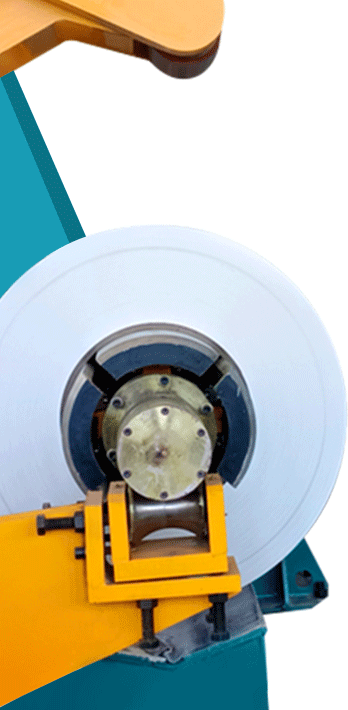
Aluminum coil 3105 for Road Signs are a wrought aluminum-manganese alloy. It belongs to the 3000 series, which means manganese is the main alloying element. This gives it better strength than pure aluminum while keeping good formability and corrosion resistance.
For road signs, this material checks all the boxes. It is light. It does not rust and holds paint well. And it stays flat even after years outdoors.
Alloy Composition
| Element | Content (%) |
|---|---|
| Aluminum (Al) | Balance |
| Manganese (Mn) | 0.30 – 0.80 |
| Magnesium (Mg) | 0.20 – 0.80 |
| Iron (Fe) | 0.70 max |
| Silicon (Si) | 0.60 max |
| Copper (Cu) | 0.30 max |
| Zinc (Zn) | 0.40 max |
| Others | 0.15 max |
The manganese and magnesium combination gives 3105 better strength than 1100 or 3003. It is strong enough for outdoor sign panels but still easy to cut, bend, and form.
Available Tempers
Temper selection matters a lot for sign manufacturing. Different tempers offer different levels of hardness and flexibility.
| Temper | Condition | Best For |
|---|---|---|
| H12 | Strain hardened, ¼ hard | Flat sign blanks |
| H14 | Strain hardened, ½ hard | Standard road signs |
| H16 | Strain hardened, ¾ hard | Heavy-duty panels |
| H18 | Fully strain hardened | Rigid structural signs |
| H21 | Strain hardened + partial anneal | Gutters, siding, formed signs |
| H24 | Strain hardened + partial anneal | Rolled sign panels |
| H26 | Strain hardened + partial anneal | Extra-flat surfaces |
| O | Fully annealed | Deep forming applications |
For most road sign applications, H14 and H24 are the most popular. They offer a good balance between stiffness and workability.
Standard Specifications
Thickness Range
| Application | Thickness (mm) | Thickness (inch) |
|---|---|---|
| Small traffic signs | 1.0 – 1.5 | 0.040 – 0.060 |
| Standard road signs | 1.5 – 2.5 | 0.060 – 0.100 |
| Highway guide signs | 2.5 – 3.0 | 0.100 – 0.125 |
| Heavy overhead signs | 3.0 – 4.5 | 0.125 – 0.177 |
Width and Coil Dimensions
| Parameter | Range |
|---|---|
| Coil Width | 600 mm – 2650 mm |
| Inner Diameter | 405 mm / 505 mm |
| Outer Diameter | Up to 1800 mm |
| Coil Weight | 500 kg – 5000 kg |
Mechanical Properties (H14 Temper)
| Property | Value |
|---|---|
| Tensile Strength | 170 – 215 MPa |
| Yield Strength | 145 MPa min |
| Elongation | 3% min |
| Hardness (Brinell) | 47 HB |
Surface Finishes Available
The surface finish affects how well paint, reflective film, and coatings stick to the panel.
| Finish Type | Description | Common Use |
|---|---|---|
| Mill Finish | Natural, untreated surface | Base material for further processing |
| Anodized | Electrochemical oxide layer | Durable outdoor panels |
| Pre-painted (PVDF) | Factory-applied PVDF coating | High-end architectural signs |
| Pre-painted (PE) | Polyester coating | Standard traffic signs |
| Chromate Treated | Chemical conversion coating | Adhesion base layer |
| Brushed | Mechanical surface texture | Decorative signage |
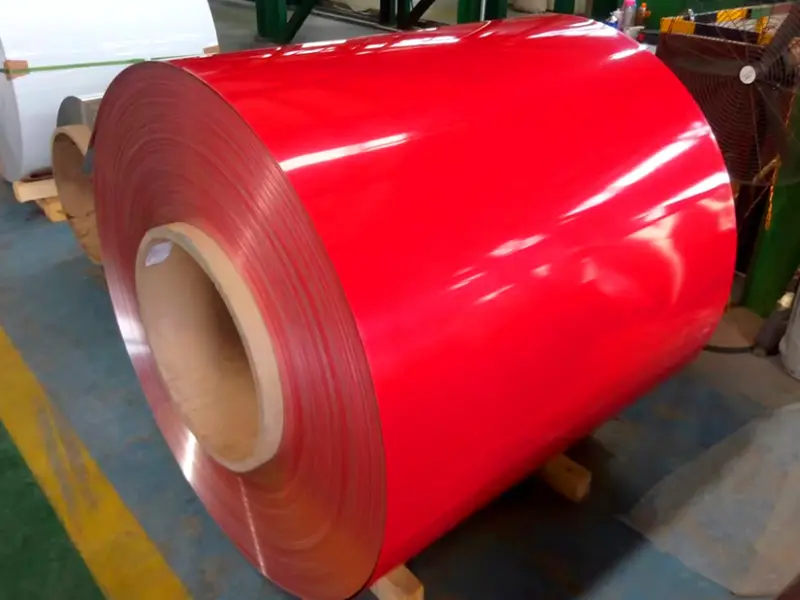
Pre-painted aluminum coil 3105 is popular for road sign production. The coating is applied in a coil coating line before the sheet is cut. This saves time and reduces waste on the production floor.
Product Types for Road Sign Applications
Manufacturers offer aluminum coil 3105 in several product forms. Each type serves a different step in the sign-making process.
Plain Aluminum Coil 3105
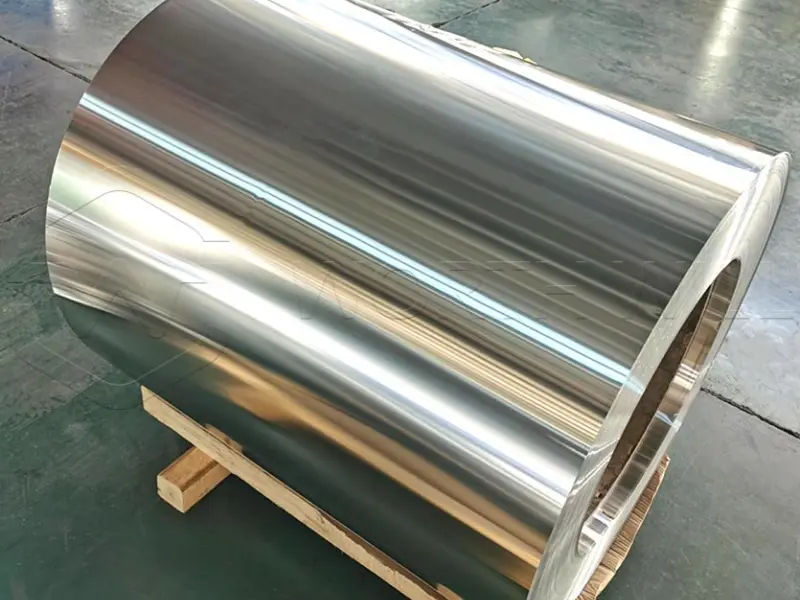
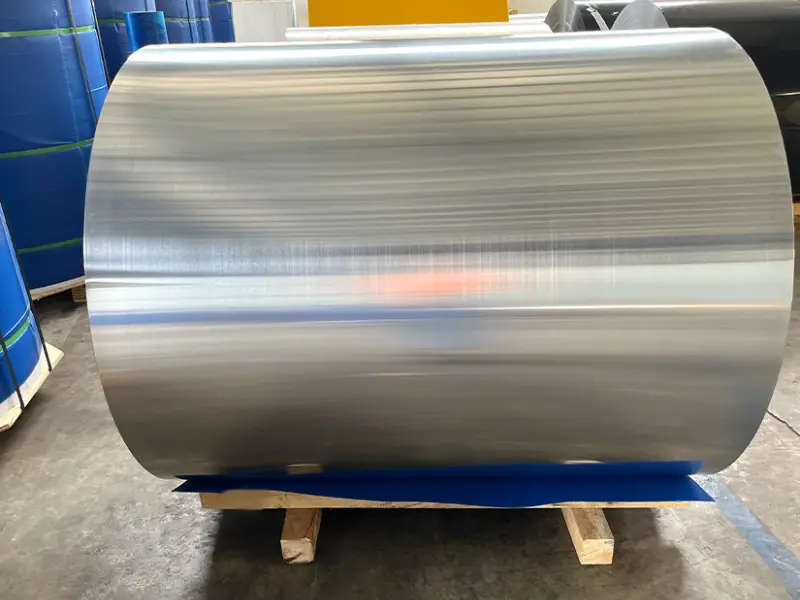
This is the base product. It comes in standard widths and thicknesses. Sign makers cut it into blanks, apply surface treatments, and then print or apply reflective sheeting. It is cost-effective and easy to handle in large volumes.
Pre-painted Aluminum Coil 3105
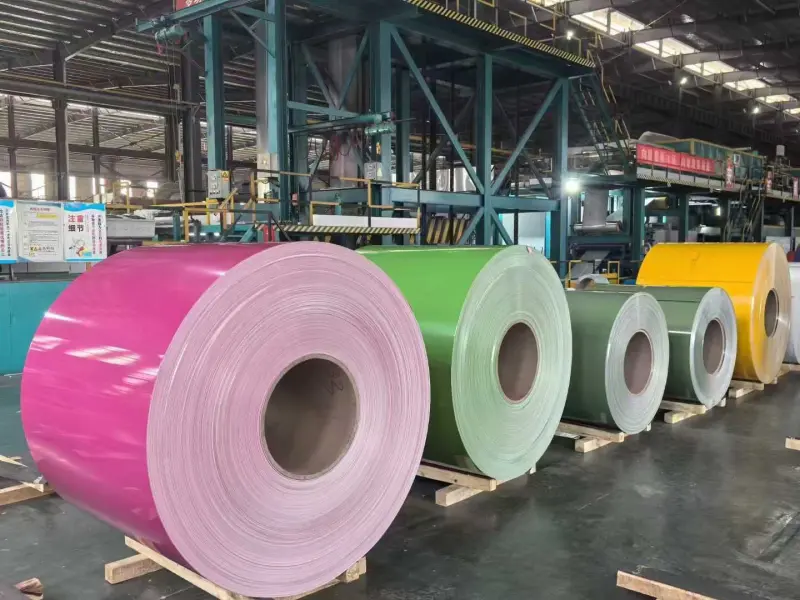
The coil arrives with a coating already applied. This is ideal for high-volume sign production. No extra painting step is needed. PVDF and polyester coatings are both available. The color stays bright even after years of sun and rain exposure.
Anodized Aluminum Coil 3105

Anodizing creates a hard oxide layer on the surface. This layer is part of the metal, so it cannot peel or chip. Anodized panels work well for premium sign applications where long service life is important. The surface can be clear or colored.
Reflective Aluminum Sign Blank 3105
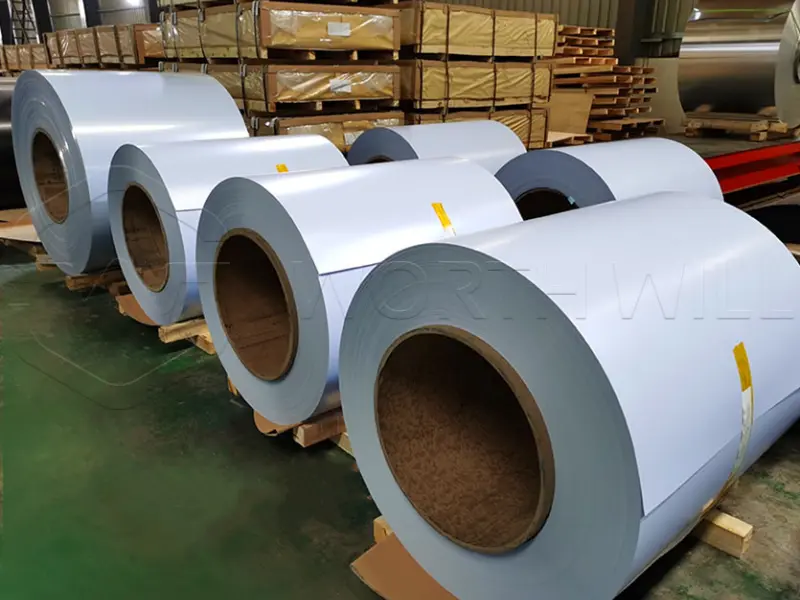
Some suppliers pre-apply reflective sheeting to aluminum 3105 coil before slitting into sign blanks. These ready-to-use blanks go straight into sign printing or cutting. This simplifies the supply chain for sign manufacturers.
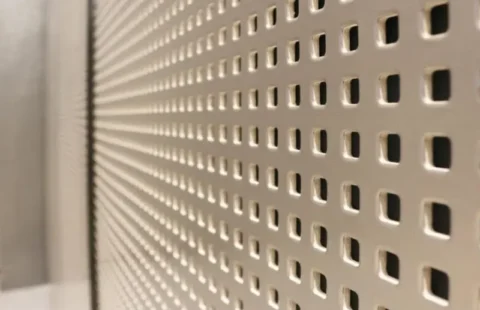
Perforated Aluminum Sheet 3105
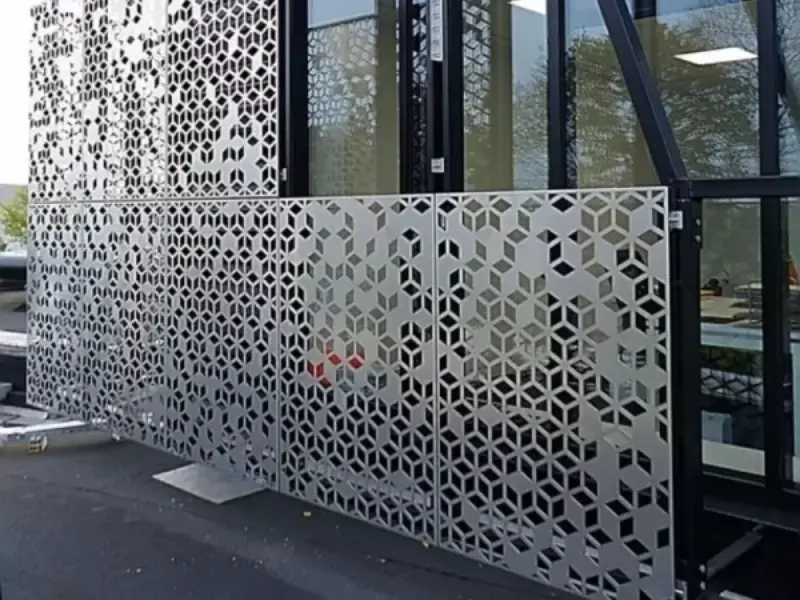
Perforated panels reduce wind load on large highway signs. Holes are punched in a regular pattern. The panel stays rigid but allows wind to pass through. This is important for overhead gantry signs and large guide signs on expressways.
Aluminum Composite Panel (ACP) with 3105 Skin
Some large sign panels use aluminum composite panels. The outer skins are made from 3105 aluminum coil. The core is a polyethylene layer. This sandwich structure is rigid, lightweight, and easy to print on.
Why 3105 Aluminum Works Well for Road Signs
Corrosion Resistance
Road signs face rain, humidity, salt spray, and UV light every day. Aluminum 3105 forms a natural oxide layer that protects it from corrosion. No painting is needed just to stop rust. This is a key advantage over steel.
Light Weight
Aluminum is about one-third the weight of steel. Lighter sign panels mean lower installation costs. Poles and support structures can be smaller and cheaper. Transport costs are also lower.
Easy to Fabricate
3105 aluminum cuts cleanly with standard tools. It bends without cracking. Holes can be punched or drilled easily. This makes it fast and simple to produce sign blanks in large quantities.
Long Service Life
A well-made aluminum road sign can last 15 to 20 years or more. The material does not rot, crack, or corrode under normal outdoor conditions. This reduces replacement costs over time.
Good Paint and Film Adhesion
Reflective sheeting sticks well to aluminum surfaces. PVDF and polyester coatings bond tightly and resist fading. This keeps road signs visible and readable for many years.
Road Sign Applications
Aluminum coil 3105 is used across many types of signage. Here are the main application areas:
Traffic and Road Signs
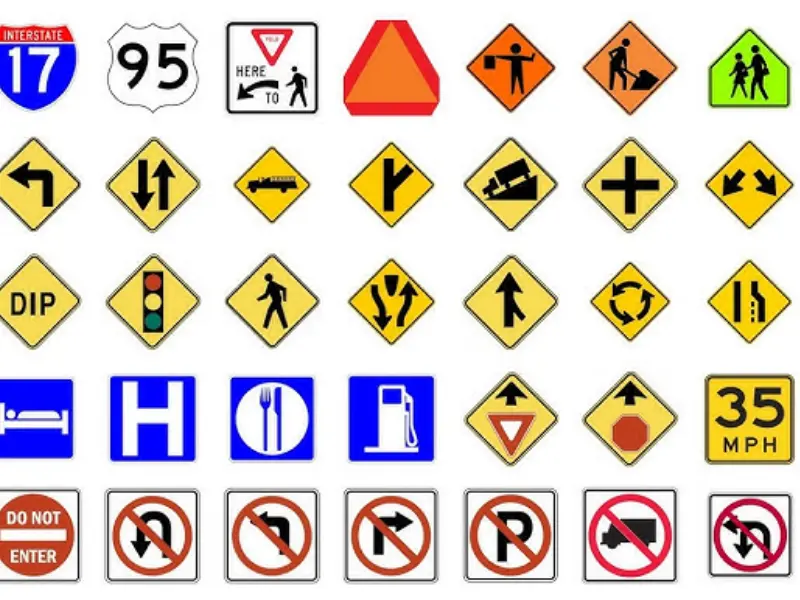
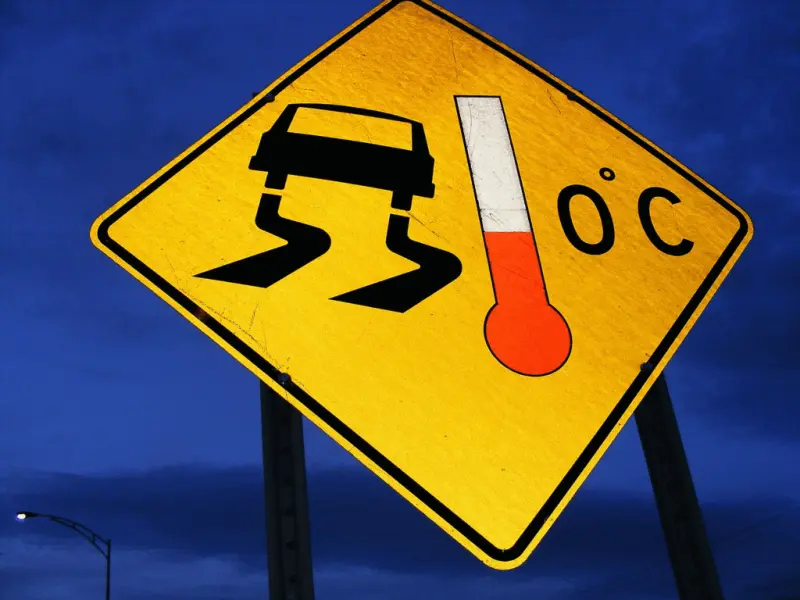
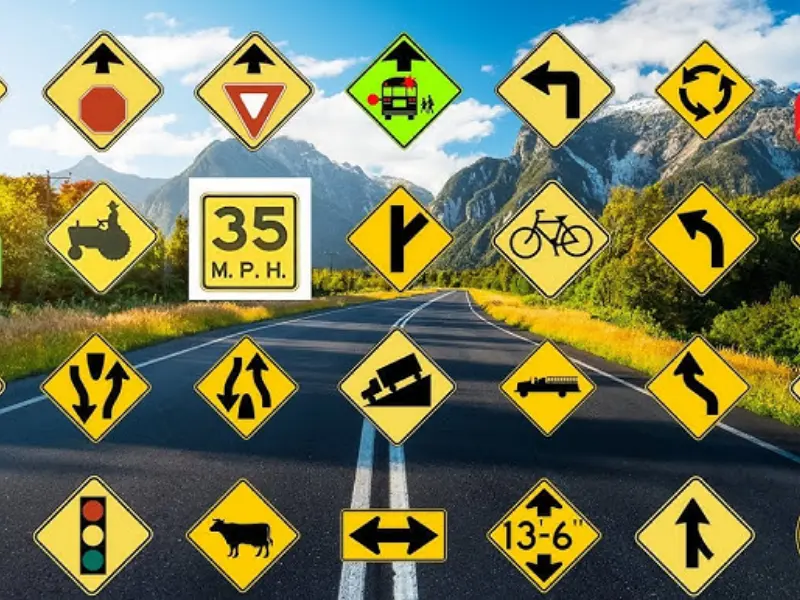
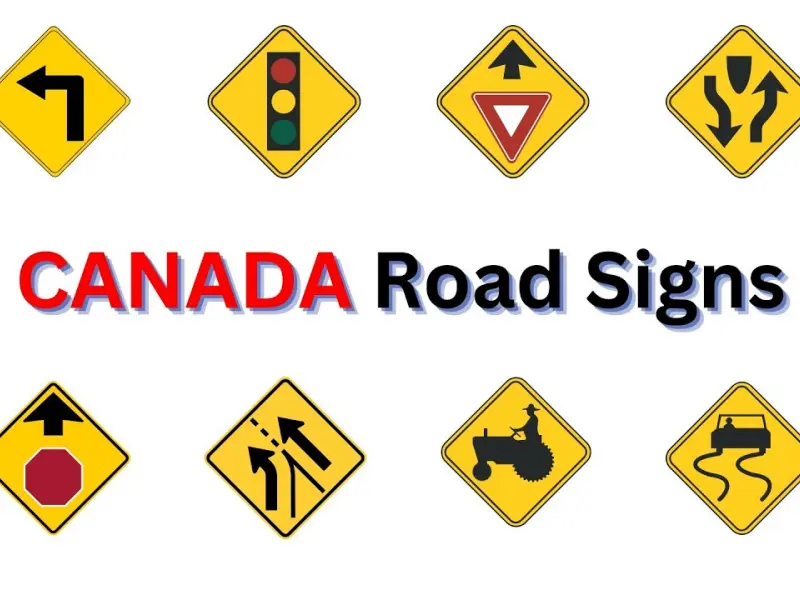
Road signs are the most direct application. Aluminum 3105 panels are cut into standard sizes and shapes. They are then coated with reflective film and printed with traffic symbols, text, or arrows.
- Stop signs
- Speed limit signs
- Warning signs
- Directional signs
- No parking signs
- Pedestrian crossing signs
Highway and Freeway Signage
Large highway guide signs need rigid, lightweight panels. Aluminum 3105 in thicker gauges handles these demanding applications well.
- Overhead gantry signs
- Exit number signs
- Route markers
- Distance information signs
- Lane control signs
Street Name and Address Signs
City and municipal governments use aluminum 3105 for street name signs, house number plates, and neighborhood markers. The material is easy to engrave, print on, or stamp.
Construction Zone Signs
Temporary road signs in construction zones need to be portable and durable. Aluminum 3105 is light enough to carry and set up quickly. It survives the rough handling of job sites.
Parking Lot and Private Road Signs
Commercial properties use aluminum sign blanks for parking regulations, directional signs, and private property notices. Pre-painted 3105 coil makes these signs easy to produce in bulk.
Advertising and Commercial Signage
Outdoor advertising boards, shop fascia signs, and wayfinding systems also use aluminum 3105 panels. The flat, smooth surface takes printed graphics cleanly.
Airport and Transit Signs
Airports, train stations, and bus terminals use aluminum signage for wayfinding and safety information. The material’s clean appearance and durability suit these high-traffic environments well.
Comparison: 3105 vs Other Aluminum Alloys for Signs
| Property | 3003 | 3105 | 5052 | 6061 |
|---|---|---|---|---|
| Strength | Medium | Medium-High | High | Very High |
| Formability | Excellent | Very Good | Good | Fair |
| Corrosion Resistance | Good | Very Good | Excellent | Good |
| Weldability | Good | Good | Very Good | Good |
| Cost | Low | Low-Medium | Medium | Higher |
| Sign Application Fit | Good | Best | Good | Overkill |
For road sign production, 3105 hits the sweet spot. It is stronger than 3003 and cheaper than 5052 or 6061. This makes it the preferred choice for most sign manufacturers worldwide.
Packaging and Delivery
| Parameter | Details |
|---|---|
| Packing | Wooden pallet with waterproof paper and steel strapping |
| Eye Direction | Eye to sky / Eye to wall (both available) |
| MOQ | 2 metric tons per item |
| Lead Time | 15 – 25 days after order confirmation |
| Port | Tianjin, Shanghai, Guangzhou |
| Payment Terms | T/T, L/C at sight |
Frequently Asked Questions
Q: What thickness is best for standard road signs? A: Most standard road signs use 1.5 mm to 2.5 mm thick aluminum 3105 coil. Thicker panels are used for large highway signs.
Q: Can I order pre-painted coil in custom colors? A: Yes. Most suppliers can match Pantone or RAL color codes for pre-painted aluminum coil 3105.
Q: How long does a road sign made from 3105 aluminum last? A: With proper surface treatment and reflective film, a sign can last 15 to 20 years outdoors.
Q: Is 3105 aluminum food safe? A: Yes. The same alloy have uses for bottle caps and food packaging, so it meets food-grade standards.
Aluminum coil 3105 for Road Signs supplier
Aluminum coil 3105 for Road Signs are one of the best materials for road sign production. It combines good strength, light weight, and strong corrosion resistance at a reasonable cost. Whether you need plain coil, pre-painted sheet, or ready-cut sign blanks, 3105 aluminum delivers consistent performance across all signage types.
Its wide range of tempers, thicknesses, and surface finishes makes it flexible enough for small street signs and large highway panels alike. For sign makers, fabricators, and procurement teams, this alloy remains the go-to solution for durable, long-lasting outdoor signage.
Looking for aluminum coil 3105 for your sign project? Contact us for specs, samples, and pricing.
Leave a Comment
You must be logged in to post a comment.