Perforated Aluminium Ceiling Panels for Commercial Projects
Modern Ceiling Solutions for Commercial Buildings
Perforated Aluminium Ceiling Panels for Commercial Projects Perforated aluminium ceiling panels are widely used in modern commercial projects. They offer a clean appearance, good acoustic performance, and long service life. These ceiling systems are popular in airports, offices, shopping malls, hospitals, and public buildings.
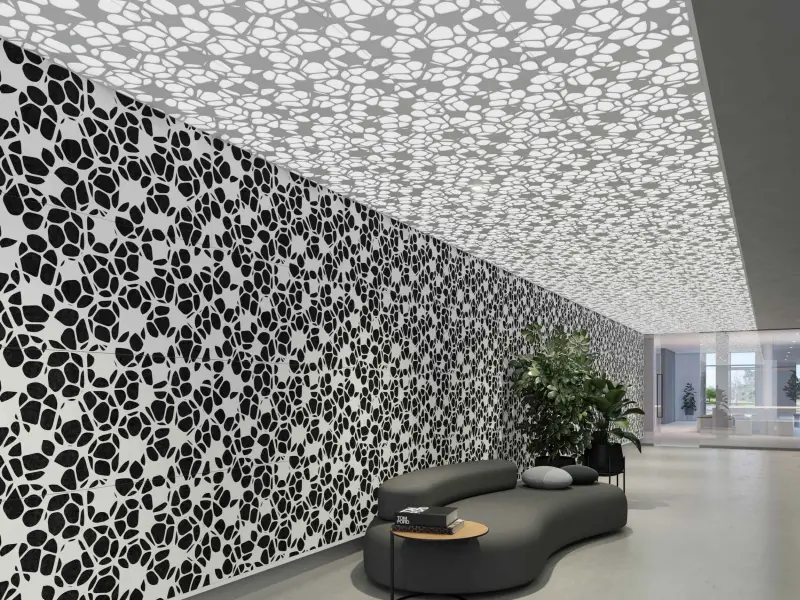
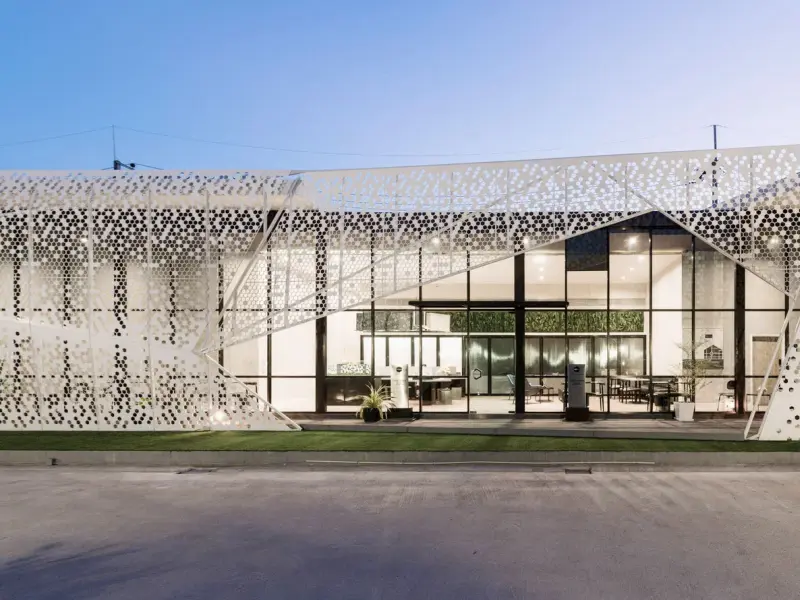
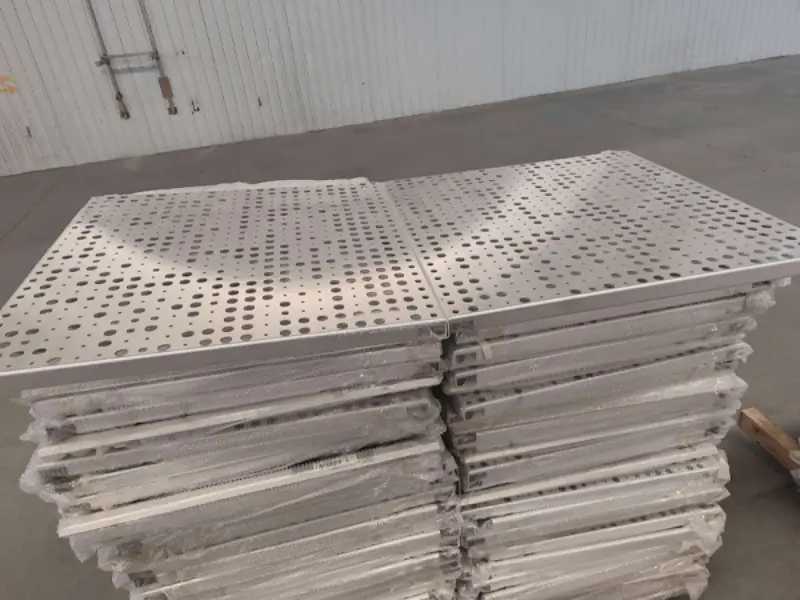
Compared with traditional ceiling materials, perforated metal ceiling panels are lightweight, corrosion resistant, and easy to maintain. They also support modern lighting systems and ventilation designs.
Today, architects and contractors prefer metal ceiling systems because of their durability and flexible design options.
Advantages of Perforated Metal Ceiling Panels
Better Acoustic Performance
The perforated surface helps reduce noise and improves indoor comfort in commercial buildings.
Modern Appearance
Metal ceiling tiles create a clean and professional look suitable for modern architecture.
Long Service Life
Aluminium panels resist rust, moisture, and corrosion.
Easy Installation
Most systems use standard metal ceiling grid structures for faster installation.
Types of Perforated Aluminium Ceiling Panels
Clip-In Perforated Ceiling Panels
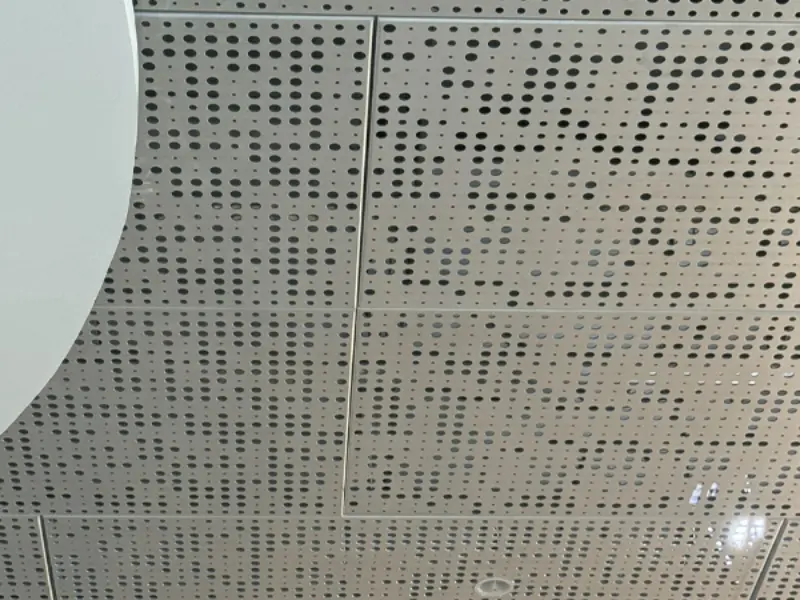
Clip-in panels are popular in offices and commercial interiors because they create a clean ceiling appearance.
Features
| Property | Benefit |
|---|---|
| Hidden structure | Clean appearance |
| Easy maintenance | Panels removable |
| Flat surface | Modern style |
Applications
- Office buildings
- Hotels
- Conference rooms
Lay-In Perforated Drop Ceiling Tiles
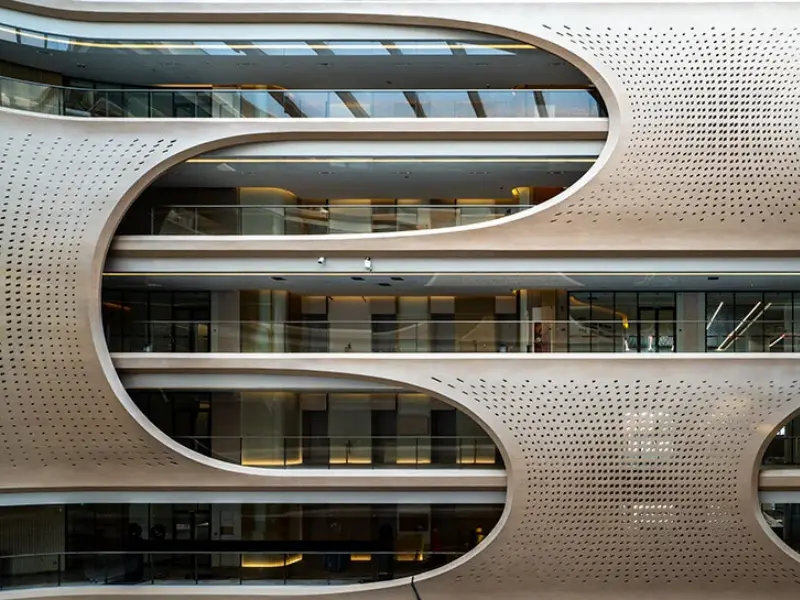
Perforated drop ceiling tiles are installed inside exposed ceiling grids.
Advantages
- Fast installation
- Lower maintenance cost
- Easy replacement
Common Applications
| Area | Use |
|---|---|
| Shopping malls | Ceiling systems |
| Hospitals | Public areas |
| Schools | Interior ceilings |
Hook-On Metal Ceiling Panels
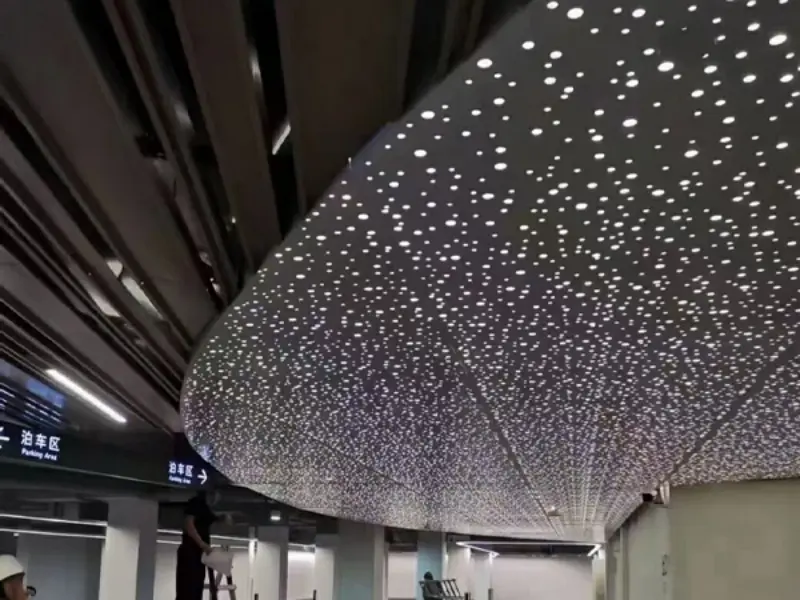
Hook-on systems are designed for large commercial projects.
Features
- Strong structural stability
- Seamless appearance
- Suitable for large spaces
Applications
- Airports
- Metro stations
- Exhibition halls
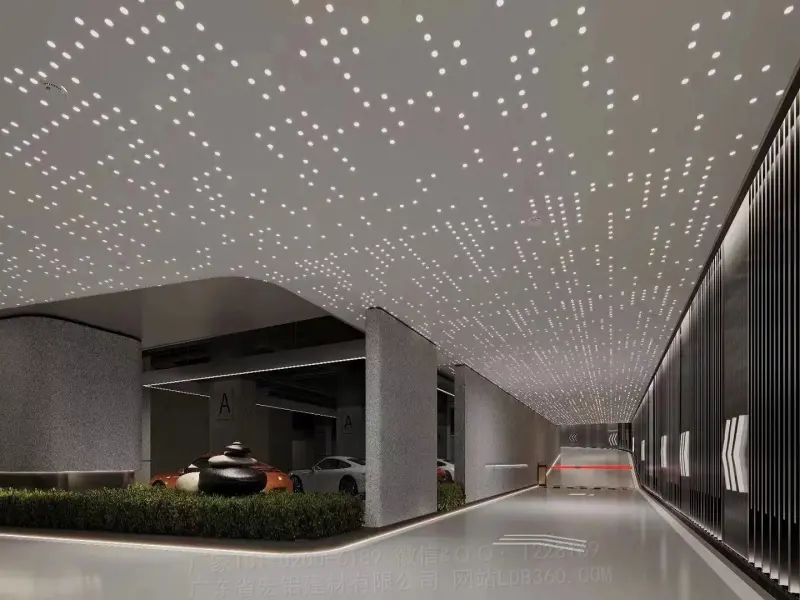
Backlit Perforated Metal Ceiling
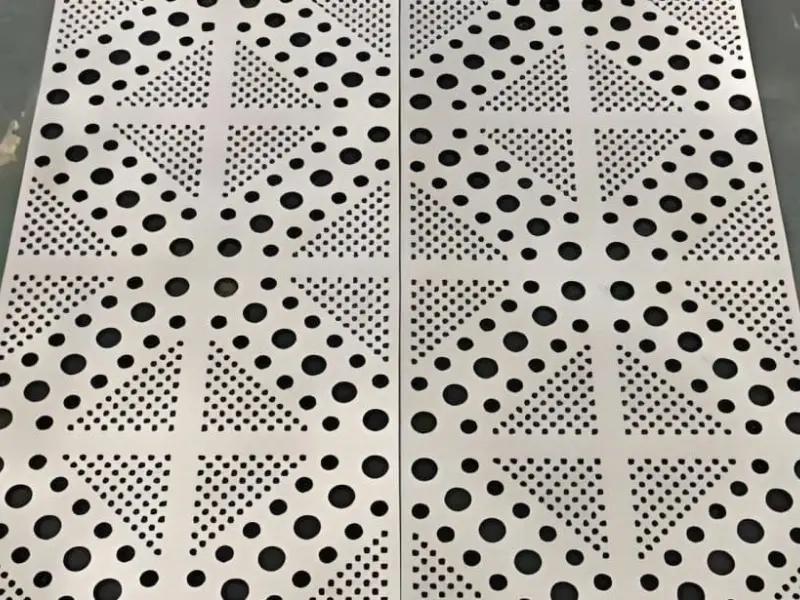
Backlit perforated metal ceiling systems combine lighting and decoration.
Benefits
| Feature | Result |
|---|---|
| LED compatibility | Modern lighting |
| Decorative effect | Premium appearance |
| Light diffusion | Softer lighting |
Applications
- Luxury retail stores
- Hotels
- Commercial lobbies
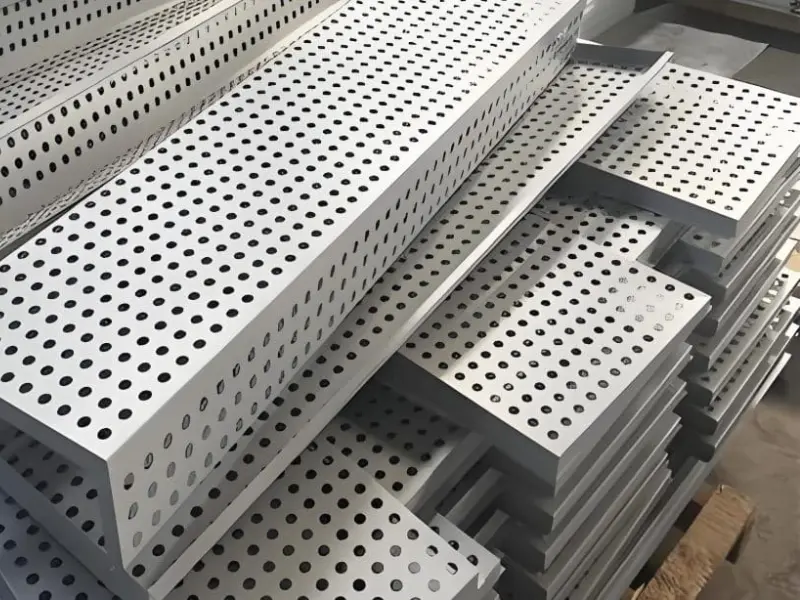
Armstrong Perforated Metal Ceiling
Armstrong perforated metal ceiling systems are widely used in commercial ceiling projects.
Typical Features
- Acoustic performance
- Standard grid compatibility
- Modern design options
Common Uses
Educational facilities
Offices
Healthcare buildings
Perforated Ceiling Board Options
Round Hole Panels
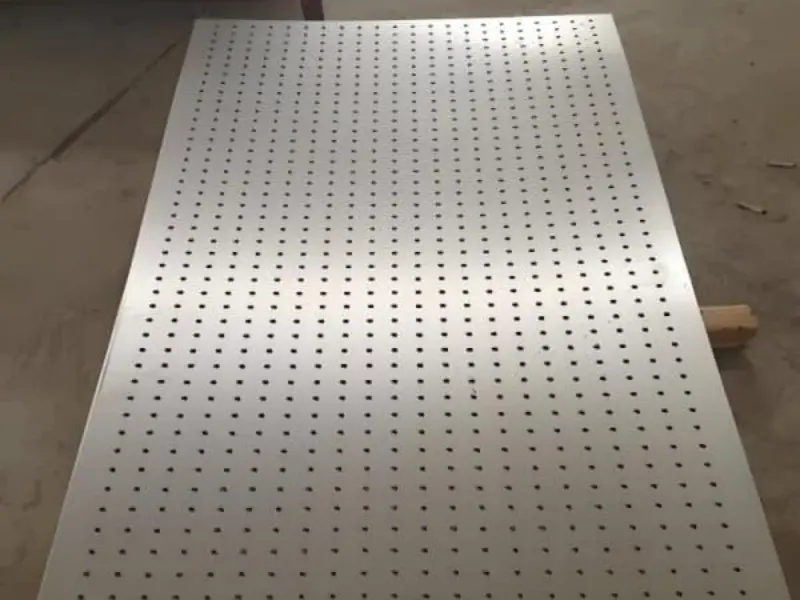
Round perforated ceiling boards are one of the most common types.
Features
| Hole Type | Application |
|---|---|
| Small round holes | Offices |
| Large round holes | Public buildings |
The round perforation design helps improve sound absorption while keeping a clean appearance.
Square Hole Ceiling Panels
Square perforations create a stronger geometric appearance.
Applications
- Commercial interiors
- Retail stores
- Architectural decoration
This type is often selected for modern interior projects.
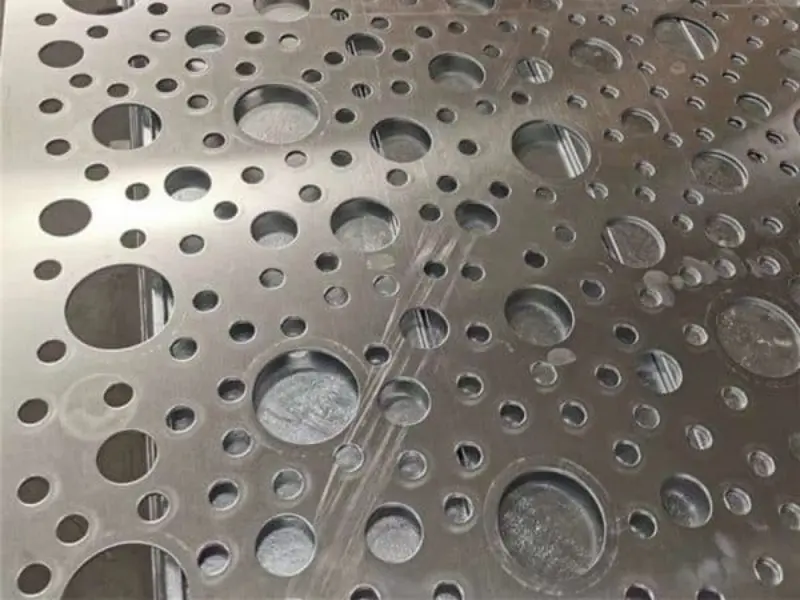
Custom Pattern Perforated Panels
Custom perforation designs are increasingly popular in architectural projects.
Advantages
- Decorative flexibility
- Brand customization
- Unique visual effect
Aluminium Alloy Types for Ceiling Panels
3003 Aluminium Ceiling Panels
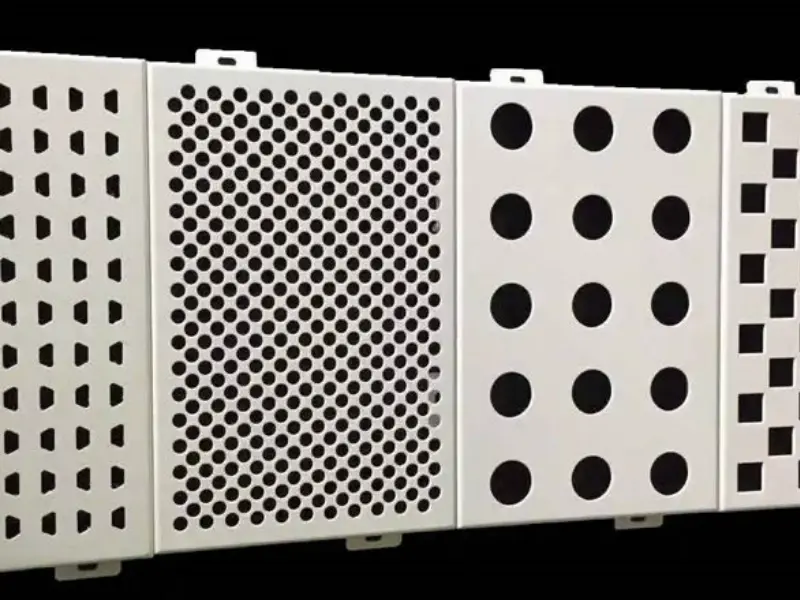
3003 alloy is commonly used in ceiling systems because of its good corrosion resistance and easy fabrication.
Benefits
- Stable performance
- Easy processing
- Good durability
Applications
- Commercial ceilings
- Decorative interiors
5005 Aluminium Ceiling Panels
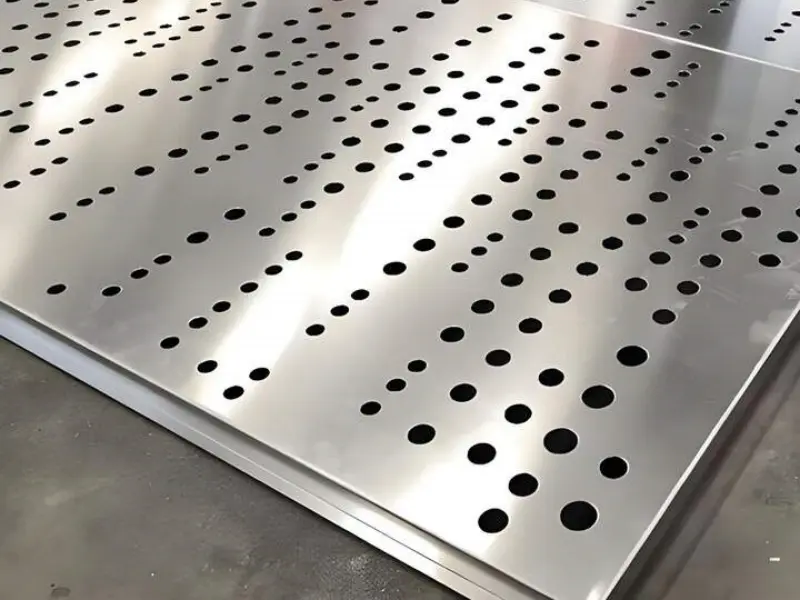
5005 alloy provides better anodizing performance.
Properties
| Property | Result |
|---|---|
| Surface finish | Excellent |
| Decorative quality | High |
| Corrosion resistance | Very good |
5052 Aluminium Ceiling Panels
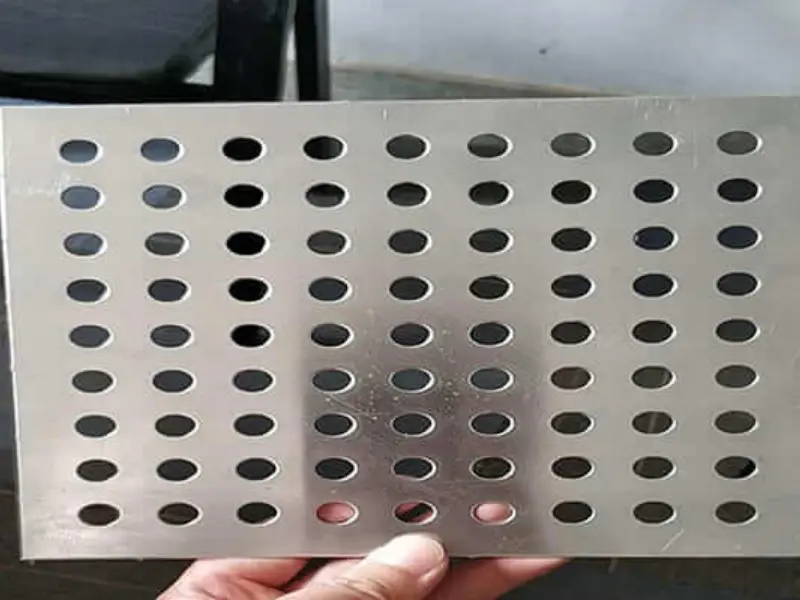
5052 alloy has higher strength and better moisture resistance.
Applications
- Large ceiling systems
- Humid environments
- Industrial buildings
Common Tempers Available
| Temper | Characteristics |
|---|---|
| H14 | Semi-hard |
| H24 | Better strength |
| H32 | Higher stability |
Thickness Options
Thin Ceiling Panels
Thin panels are suitable for lightweight interior ceilings.
| Thickness | Application |
|---|---|
| 0.5 mm | Small ceilings |
| 0.6 mm | Interior decoration |
Standard Commercial Thickness
Standard commercial projects usually use medium thickness panels.
| Thickness | Common Use |
|---|---|
| 0.7 mm | Offices |
| 0.8 mm | Shopping malls |
| 1.0 mm | Airports |
Heavy-Duty Ceiling Panels
Heavy-duty panels are used in transportation and industrial projects.
Applications
- Industrial buildings
- Transportation hubs
- Large commercial projects
| Thickness | Project Type |
|---|---|
| 1.2 mm | Public buildings |
| 1.5 mm | Heavy-duty systems |
Surface Finishes Available
Powder Coated Ceiling Panels
Powder coating is one of the most common finishes.
Advantages
- Many color choices
- Smooth appearance
- Good durability
PVDF Coated Ceiling Panels
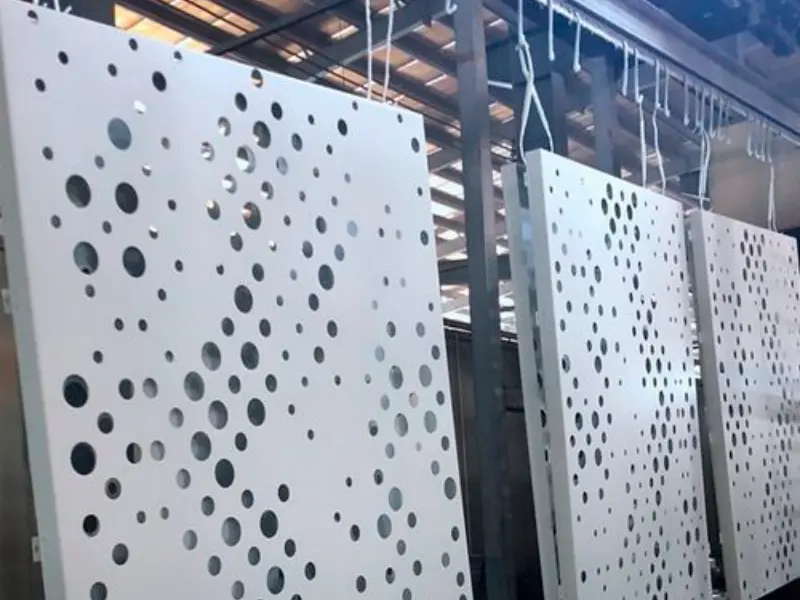
PVDF coating provides stronger weather resistance.
Applications
- Exterior ceilings
- Semi-open buildings
- Transportation projects
Wood Grain Metal Ceiling Tiles
Wood finish ceiling panels combine metal durability with natural wood appearance.
Benefits
| Feature | Benefit |
|---|---|
| Decorative effect | Natural appearance |
| Maintenance | Easier than wood |
| Durability | Better moisture resistance |
Mirror Finish Ceiling Panels
Mirror finish metal ceiling tiles create a luxury appearance.
Common Applications
- Hotels
- Luxury retail
- Modern showrooms
Metal Ceiling Grid Systems
A metal ceiling grid supports the ceiling panels and helps installation.
Main Components
| Component | Function |
|---|---|
| Main runner | Structural support |
| Cross tee | Panel positioning |
| Suspension rod | Ceiling hanging |
Benefits of Metal Ceiling Grid Systems
Easy Installation
Grid systems reduce installation time for commercial projects.
Easy Maintenance
Panels can be removed individually for inspection and repair.
Flexible Design
Different layouts and ceiling patterns are possible.
Technical Specifications: Alloy and Grade
Choosing the right material ensures the ceiling lasts for decades. We use specific aluminium alloys based on the environment of the project.
Common Aluminium Alloys for Ceiling Panels
| Alloy Grade | Characteristics | Common Application |
|---|---|---|
| Alloy 1100 | High purity, very soft, excellent corrosion resistance. | Standard indoor decorative panels. |
| Alloy 3003 | Contains Manganese. Stronger than 1100. | Most common for commercial projects. |
| Alloy 5005 | High strength, great for anodizing. | Premium architectural finishes. |
Material States (Temper)
- H14 / H24: These are the most common states. They provide the right balance of hardness and flexibility for bending the edges of the perforated metal ceiling panels.
Dimensions and Hole Patterns
The visual effect of a perforated ceiling board depends on its dimensions and the pattern of the holes.
Standard Sizes
| Product Type | Standard Size (mm) | Thickness (mm) |
|---|---|---|
| Square Tile | 600×600 | 0.5 to 1.0 |
| Large Rectangular | 600×1200 | 0.7 to 1.2 |
| Linear Plank | 300×1200 | 0.6 to 0.9 |
| Custom Panels | Up to 1500×3000 | 1.5 to 3.0 |
Popular Perforation Types
- Round Holes: The most traditional and cost-effective choice.
- Square Holes: Offers a modern, geometric look.
- Micro-perforation: Holes are smaller than 1.5mm. These look like solid panels from a distance but offer great acoustics.
- Diagonal Patterns: Adds a dynamic visual movement to the ceiling.
Different Types of Perforated Metal Ceiling Systems
There are several ways to install these panels. Each system has its own visual impact and functional use.
1. Lay-in Ceiling Tiles
These are the most common perforated drop ceiling tiles. They sit on a T-shaped metal ceiling grid.
- Best for: Offices and classrooms where you need easy access to wires.
- Ease of use: Very high.
2. Clip-in (Concealed) Ceiling
The grid is completely hidden. The panels “click” into a spring tee runner.
- Best for: Hospitals and cleanrooms.
- Look: A smooth, seamless surface.
3. Hook-on Systems
Commonly used for large panels or corridor ceilings. The panels hook onto a heavy-duty carrier.
- Best for: Subway stations and airports.
4. Backlit Perforated Metal Ceiling
This is a premium decorative option. LED lights are placed above the backlit perforated metal ceiling. The light shines through the holes, creating a stunning “starry sky” or glowing effect.
Perforated Aluminium vs. Other Materials
How do aluminium panels compare to traditional materials like mineral fiber or steel?
| Feature | Aluminium Panels | Mineral Fiber Board | Stainless Steel |
|---|---|---|---|
| Durability | High (waterproof) | Low (sags in humidity) | Very High |
| Weight | Light (2.7g/cm3) | Medium | Heavy (7.9g/cm3) |
| Acoustics | Excellent (with fleece) | Good | Moderate |
| Price | Mid-range | Low | High |
| Cleaning | Easy (wipeable) | Difficult | Easy |
Where to Use Perforated Metal Ceiling Panels?
These panels are versatile and can be used in various commercial environments:
- Corporate Offices: To create a quiet and professional workspace.
- Transportation Hubs: Airports and train stations use them for durability and air flow.
- Shopping Malls: Large-scale panels offer a grand, modern appearance.
- Hospitals: Clip-in systems prevent dust accumulation and are easy to sanitize.
- Performance Halls: Used with acoustic backing to tune the sound of the room.
Understanding the Perforated Metal Ceiling Price
When planning a budget, several factors influence the Perforated Metal Ceiling Price:
- Panel Thickness: A 1.0mm panel costs more than a 0.6mm panel.
- Hole Complexity: Standard round holes are cheaper than custom artistic patterns.
- Surface Treatment:
- Powder Coating: Affordable and available in many colors.
- PVDF Coating: More expensive but resistant to weather and UV (best for outdoor/semi-outdoor).
- Anodizing: Provides a premium metallic look.
- Quantity: Larger orders usually benefit from wholesale pricing.
Compatibility with Armstrong Perforated Metal Ceiling Standards
Many global projects specify Armstrong perforated metal ceiling standards. Our panels are designed to be compatible with these high-performance requirements. They fit standard imperial and metric grids, ensuring that replacements or expansions are simple.
By using high-grade aluminium, we provide an alternative that matches the quality of top brands while offering more flexibility in custom colors and hole patterns.
What Are Perforated Aluminium Ceiling Panels?
Perforated aluminium ceiling panels are metal ceiling products with punched holes on the surface. The perforations improve sound absorption and ventilation while creating a decorative appearance.
The panels are usually installed with a metal ceiling grid system.
Main Features
| Property | Description |
|---|---|
| Material | Aluminium alloy |
| Surface | Perforated |
| Weight | Lightweight |
| Fire Resistance | Good |
| Corrosion Resistance | Excellent |
| Maintenance | Easy |
Applications of Perforated Aluminium Ceiling Panels
Office Buildings
Perforated ceiling panels improve office acoustics and create a professional appearance.
Advantages
- Noise reduction
- Clean design
- Easy maintenance
Shopping Malls
Large retail spaces often use metal ceiling tiles because they are durable and modern.
Benefits
- Long lifespan
- Easy cleaning
- Decorative appearance
Airports and Metro Stations
Public transportation projects require strong and durable ceiling systems.
Key Benefits
| Requirement | Benefit |
|---|---|
| Fire resistance | Better safety |
| Durability | Long service life |
| Acoustic control | Lower noise |
Hospitals and Healthcare Buildings
Metal ceilings are suitable for hygienic environments.
Features
- Moisture resistance
- Easy cleaning
- Long-term durability
Educational Buildings
Schools and universities use perforated drop ceiling tiles for better sound control.
Applications
- Libraries
- Lecture halls
- Classrooms
Comparison Between Aluminium and Steel Ceiling Panels
| Property | Aluminium | Steel |
|---|---|---|
| Weight | Lighter | Heavier |
| Corrosion Resistance | Better | Lower |
| Installation | Easier | More difficult |
| Cost | Medium | Lower |
Comparison Between Perforated and Solid Ceiling Panels
| Feature | Perforated | Solid |
|---|---|---|
| Acoustic Performance | Better | Lower |
| Ventilation | Better | Limited |
| Decorative Effect | Modern | Simple |
Perforated Metal Ceiling Price Factors
The perforated metal ceiling price depends on several factors.
Main Price Factors
| Factor | Influence |
|---|---|
| Aluminium alloy | High |
| Thickness | High |
| Surface finish | Medium |
| Perforation pattern | Medium |
| Order quantity | Important |
Custom perforation designs and thicker panels usually increase the final price.
Installation Methods
Suspended Ceiling Installation
This is the most common installation method for commercial projects.
Integrated Ceiling Systems
Integrated systems combine lighting, ventilation, and acoustic functions.
Packaging and Export Supply
Standard Packaging
| Packaging Type | Protection |
|---|---|
| Wooden pallets | Safe transport |
| Plastic film | Surface protection |
| Carton packaging | Export safety |
Customized Services
Professional manufacturers can provide:
- Custom perforation patterns
- OEM production
- Special colors
- Custom panel sizes
- Project design support
Perforated Aluminium Ceiling Panels for Commercial Projects supply perforated aluminium ceiling panels, metal ceiling tiles, and ceiling grid systems for commercial and architectural projects.
FAQ – Frequently Asked Questions
What Are Perforated Metal Ceiling Panels?
Perforated metal ceiling panels are aluminium or steel ceiling products with punched holes for acoustic and decorative purposes.
What Are Perforated Drop Ceiling Tiles?
These are ceiling tiles installed inside exposed grid systems. They are common in offices and public buildings.
Are Aluminium Ceiling Panels Good for Commercial Projects?
Yes. They are lightweight, durable, corrosion resistant, and easy to maintain.
What Is the Standard Thickness for Metal Ceiling Tiles?
Common thicknesses range from 0.5 mm to 1.0 mm depending on the project.
What Is a Backlit Perforated Metal Ceiling?
It is a ceiling system with integrated lighting behind perforated panels for decorative visual effects.
Are Metal Ceiling Panels Fire Resistant?
Yes. Aluminium ceiling systems generally offer good fire resistance.
Can Ceiling Panels Improve Acoustics?
Yes. Perforated panels with acoustic backing materials help reduce noise.
What Is the Difference Between Clip-In and Lay-In Ceiling Panels?
Clip-in panels create a hidden structure appearance, while lay-in panels use exposed ceiling grids.
How Much Does a Perforated Metal Ceiling Cost?
The cost depends on alloy type, thickness, surface finish, perforation design, and order quantity.
Installation and Maintenance
How do I clean metal ceiling tiles?
You can use a soft cloth with mild soap and water. Unlike mineral fiber, aluminium is waterproof, so you don’t have to worry about water stains.
Can I install these panels myself?
For commercial projects, we recommend a professional contractor. However, perforated drop ceiling tiles are very straightforward to install if you already have a metal ceiling grid in place.
Technical and Safety
Are perforated metal ceilings fireproof?
Yes. Aluminium is non-combustible. When used with fire-rated acoustic fleece, the system usually achieves a Class A fire rating.
What is the Open Area percentage?
This refers to how much of the panel is made of holes. Most panels have an open area between 15% and 40%. A higher open area means better airflow but more visibility of the plenum above.
Customization and Orders
Can I get a specific color?
Yes. We can match any RAL color code using powder coating. This allows the ceiling to match your brand’s identity perfectly.
What is the lead time for a large project?
Usually, production takes 15 to 25 days depending on the complexity of the perforation and the surface finish.
Leave a Comment
You must be logged in to post a comment.