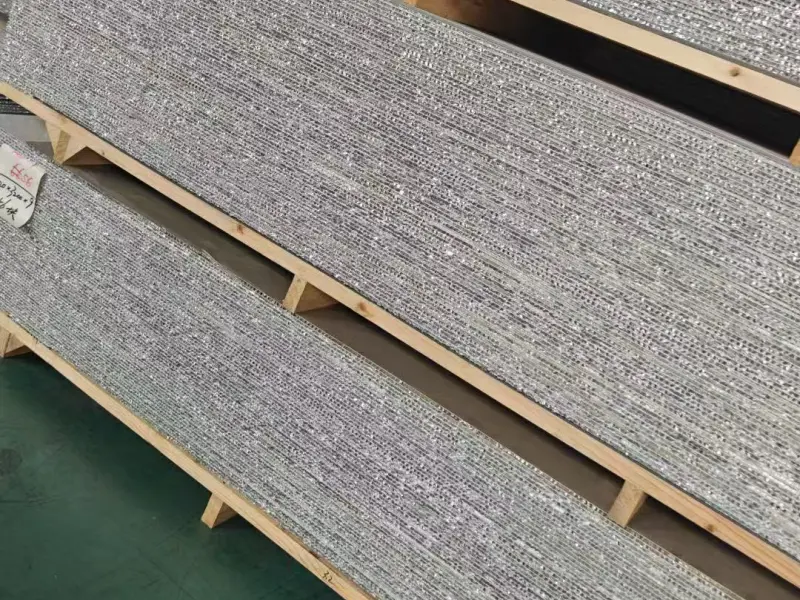
Aluminium Honeycomb Panel Australia – Buyer Guide
Welcome to the comprehensive buyer guide for aluminium honeycomb panel in Australia. If you are looking for a material that combines extreme strength with a very low weight, you are in the right place.
Aluminium honeycomb panels are the gold standard in modern construction, transport, and marine industries across Australia.
What is an Aluminium Honeycomb Panel?
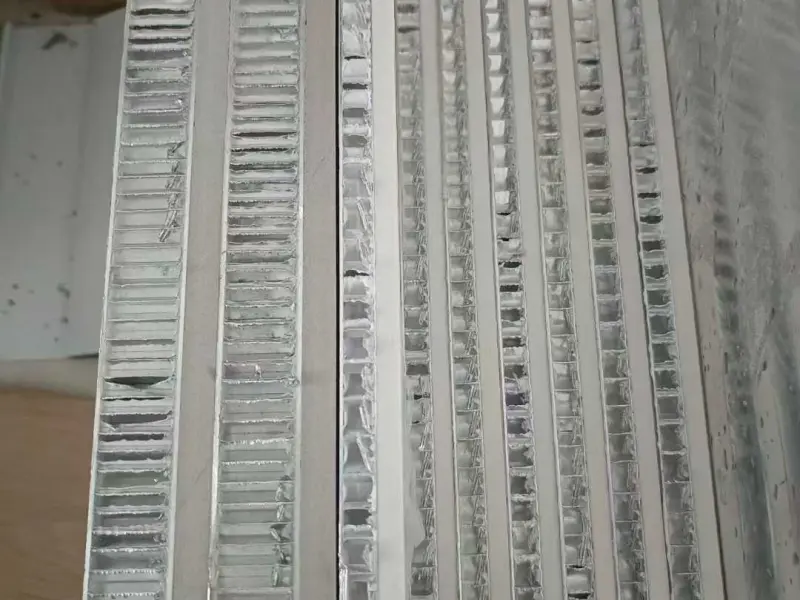
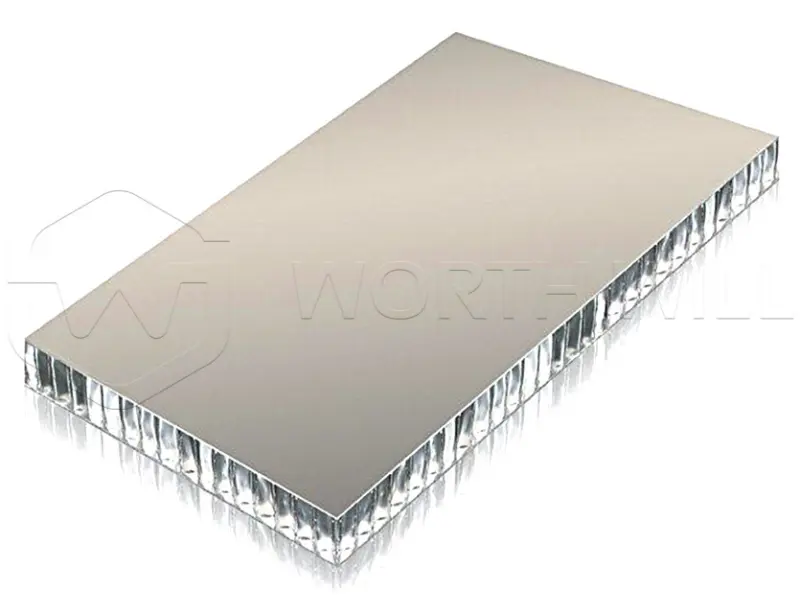
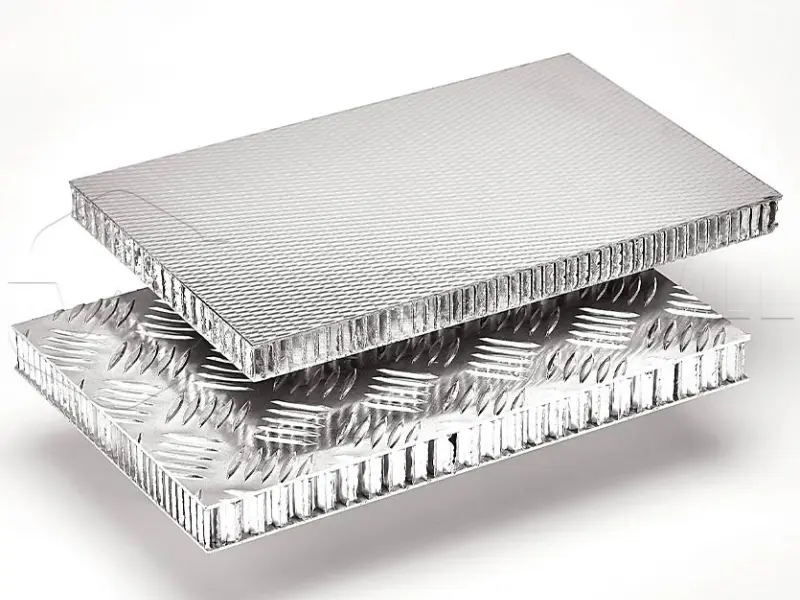
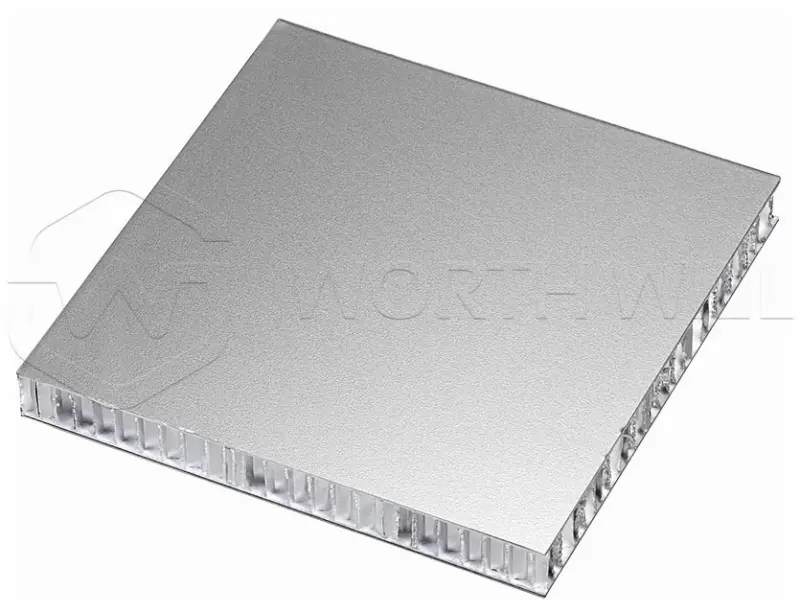
An aluminium honeycomb panel is a sandwich-structure composite. It consists of two thin aluminium face sheets bonded to a central core. The core is shaped like a hexagonal honeycomb, similar to what bees build. This design allows the panel to remain rigid and flat over large surface areas without adding heavy weight.
In Australia, these panels are popular for their fire resistance and durability in harsh coastal environments.
Key Benefits for the Australian Market
Before we look at the types, let’s understand why Australian builders and designers prefer this material:
- High Strength-to-Weight Ratio: Stronger than solid aluminium sheets but much lighter.
- Fire Safety: Most panels meet strict Australian Fire Standards (AS/NZS 1530).
- Corrosion Resistance: Ideal for coastal cities like Sydney, Perth, and Brisbane.
- Flatness: Even large panels stay perfectly flat without bowing.
- Eco-Friendly: Aluminium is $$100%$$ recyclable.
Technical Specifications: Alloys and Tempers
When buying an aluminium honeycomb panel in Australia, you must check the alloy type and the temper (state) of the metal. These determine how the panel performs under pressure.
Table 1: Common Aluminium Alloys Used
| Alloy Series | Common Grade | Main Characteristic | Best Use Case |
|---|---|---|---|
| 3000 Series | $$3003$$ | Excellent corrosion resistance | General architecture & facades |
| 5000 Series | $$5005$$ | High quality for anodizing | Premium decorative finishes |
| 5000 Series | $$5052$$ | High fatigue strength | Marine and aerospace |
Table 2: Temper and Material States
| Temper State | Meaning | Performance |
|---|---|---|
| H14 | Half-hard | Good balance of strength and flexibility |
| H24 | Strain hardened | Improved stability for face sheets |
| H18 | Full-hard | Used for the honeycomb core for maximum rigidity |
Different Types of Aluminium Honeycomb Panels
Not all honeycomb panels are the same. We provide several variations depending on the visual and functional needs of your project.
1. Architectural Grade Panels
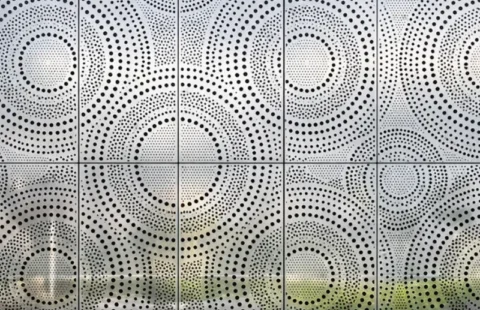
These are the most common panels used for building exteriors. They often feature a PVDF coating to resist UV rays, which is essential under the strong Australian sun.
2. Stone Composite Honeycomb Panels
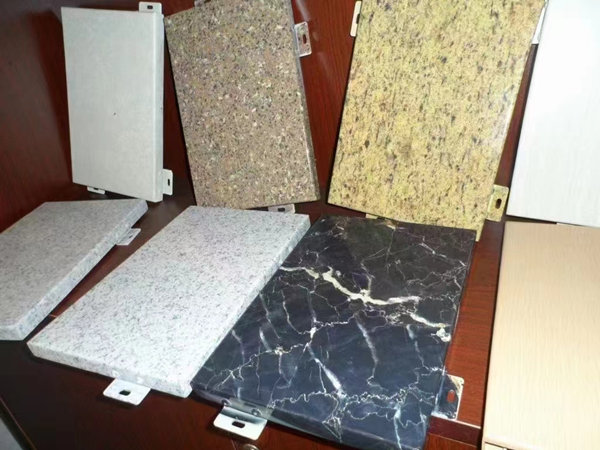
This type features a very thin layer of natural stone (like marble or granite) bonded to the aluminium honeycomb. You get the look of solid stone with only $$20%$$ of the weight. It is perfect for luxury high-rise interiors in Melbourne or Gold Coast apartments.
3. Wood-Grain and Decorative Panels
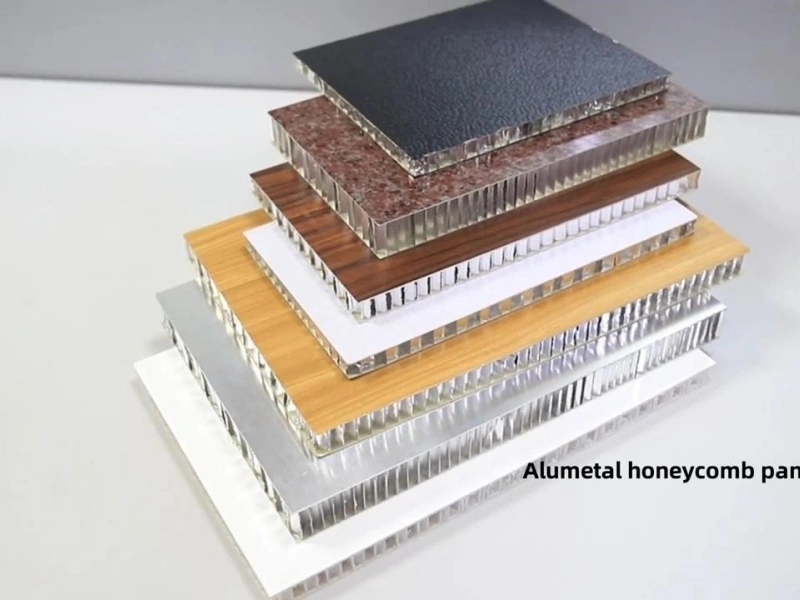
Using heat-transfer technology, these panels look exactly like timber. Unlike real wood, they do not rot, warp, or burn. They are a safe alternative for “timber” ceilings in public spaces.
4. Marine-Grade Honeycomb Panels

Specifically made with $$5052$$ alloy, these panels resist salt-water corrosion. They are used for the hulls, bulkheads, and furniture inside yachts and commercial ferries.
5. Cleanroom Honeycomb Panels
These panels have a specialized anti-static and anti-bacterial coating. They are used in hospitals and pharmaceutical labs across Australia to maintain sterile environments.
Detailed Dimensions and Sizes
As a buyer, you need to know the specific measurements available. We offer standard sizes and custom-cut options.
Table 3: Panel Thickness Specifications
| Component | Standard Range ($$mm$$) | Custom Range ($$mm$$) |
|---|---|---|
| Total Thickness | $$6$$mm, $$10$$mm, $$15$$mm, $$20$$mm, $$25$$mm | Up to $$200$$mm |
| Top Skin Thickness | $$0.5$$mm, $$0.7$$mm, $$1.0$$mm | Up to $$3.0$$mm |
| Bottom Skin Thickness | $$0.5$$mm, $$0.7$$mm, $$1.0$$mm | Up to $$3.0$$mm |
Table 4: Core Cell Specifications
| Core Property | Standard Dimension |
|---|---|
| Cell Size | $$4$$mm, $$5$$mm, $$6$$mm, $$8$$mm |
| Foil Thickness | $$0.04$$mm to $$0.08$$mm |
| Core Material | Aluminium Alloy $$3003$$H18 |
Application Fields in Australia
The versatility of the aluminium honeycomb panel in Australia makes it a favorite across many industries.
Building and Construction
- External Wall Cladding: High-rise facades and commercial buildings.
- Interior Partitions: Lightweight office dividers.
- Ceiling Systems: Large-span acoustic ceilings in airports and malls.
- Roofing: Durable roofing for industrial warehouses.
Transport and Infrastructure
- Railway Carriages: Floor and wall panels for passenger trains.
- Truck Bodies: Reducing the weight of logistics vehicles to save fuel.
- Bus Interiors: Durable and easy-to-clean surfaces.
Marine Industry
- Cabinetry: Lightweight kitchen and storage units on boats.
- Decks and Bulkheads: Structural components for luxury yachts.
Industrial Use
- Cleanrooms: Pharmaceutical and micro-electronic factories.
- Machine Tooling: Flat beds for laser cutting machines.
Quality Standards and Certification
When sourcing panels for the Australian market, quality assurance is vital. Ensure your supplier provides documentation for the following:
Fire Rating Standards
In Australia, the Building Code (BCA) is very strict. You should look for:
- AS/NZS 1530.1: Non-combustibility test.
- AS/NZS 1530.3: Fire hazard properties (Spread of flame and smoke developed).
Surface Coating Quality
For outdoor use, the coating must last.
- PVDF Coating: Best for exteriors, usually comes with a $$15$$ to $$20$$-year warranty.
- PE (Polyester) Coating: Suitable for indoor use or short-term signage.
Installation Guide for Honeycomb Panels
Correct installation ensures the longevity of your aluminium honeycomb panel. Here are the three most common methods used by Australian contractors.
H3: 1. The Interlocking System
This system uses male and female profiles. It is fast to install and hides the fasteners, providing a clean, seamless look for building facades.
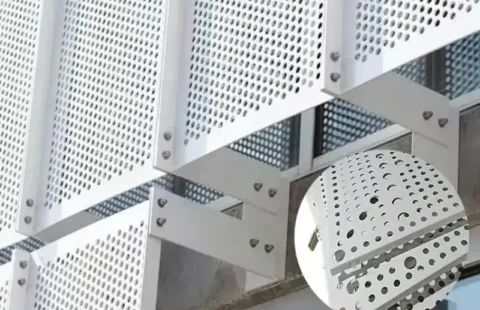
H3: 2. The Hanging System (Rainscreen)
Panels are hung on a sub-frame using brackets. This allows for an air gap between the building and the panel, which helps with insulation and moisture control.
H3: 3. Adhesive Bonding
For interior design and furniture, panels can be bonded directly to a frame using high-strength structural adhesives. This is common in shopfitting and marine interiors.
How to Choose the Right Supplier
Buying the right aluminium honeycomb panel in Australia requires checking the supplier’s capabilities.
Table 5: Supplier Evaluation Checklist
| Criteria | What to Look For |
|---|---|
| Manufacturing | Do they have CNC cutting and folding services? |
| Testing | Can they provide AS/NZS fire certificates? |
| Customization | Can they produce panels thicker than $$50$$mm? |
| Delivery | Do they have experience shipping to Sydney, Melbourne, or Brisbane? |
| Coating | Do they offer PPG or Beckers PVDF paint finishes? |
Comparison: Honeycomb vs. Solid Aluminium vs. ACP
To understand the value of honeycomb panels, look at how they compare to other materials.
Table 6: Material Comparison
| Feature | Honeycomb Panel | Solid Aluminium Sheet | Aluminium Composite (ACP) |
|---|---|---|---|
| Weight | Very Light | Heavy | Moderate |
| Rigidity | Extremely High | Low (bends easily) | Moderate |
| Fire Safety | Excellent (Non-combustible) | Excellent | Variable (Core dependent) |
| Max Panel Size | Large ($$1500 \times 6000$$mm) | Small (due to weight) | Moderate |
| Cost | Premium | Moderate | Economical |
Maintenance and Care
Australian environments can be tough. Salt spray and dust can accumulate on the surface.
- Cleaning: Use soft water and a mild detergent (pH between $$5$$ and $$8$$).
- Frequency: Clean once every $$6$$ to $$12$$ months, depending on the location.
- Avoid: Do not use abrasive pads or strong acidic/alkaline cleaners, as these will damage the PVDF or anodized finish.
Frequently Asked Questions (FAQ)
Are aluminium honeycomb panels expensive? A: They have a higher upfront cost than standard ACP, but they save money on structural supports and labor because they are so light and rigid.
Can these panels be curved? A: Yes, they can be curved using a V-cutting and folding technique or by using a specialized rolling machine, though they are primarily designed for flat applications.
What is the typical lead time in Australia? A: Standard sizes are often in stock, while custom orders with specific PVDF colors usually take $$4$$ to $$6$$ weeks for production and delivery.
Do they provide sound insulation? A: While they are not a complete sound barrier, the honeycomb structure helps dampen vibrations and reduce noise compared to solid metal sheets.
aluminium honeycomb panel in Australia for Buyers
Selecting the right aluminium honeycomb panel in Australia involves balancing your budget with the technical requirements of the building code. Always prioritize fire-rated cores and high-quality alloy grades like $$3003$$ or $$5052$$.
Whether you are designing a new landmark facade or a lightweight marine vessel, aluminium honeycomb panels provide the modern solution for high-performance engineering.
Contact our team today to get a quote or a sample pack for your next project!
Leave a Comment
You must be logged in to post a comment.