We are a professional manufacturer of brushed aluminum veneer and brushed aluminum veneer panels. Our factory supplies architectural cladding, interior decoration panels, and composite sheets with brushed, polished, anodized, and satin finishes. Direct pricing, fast lead times, global shipping.
Product types
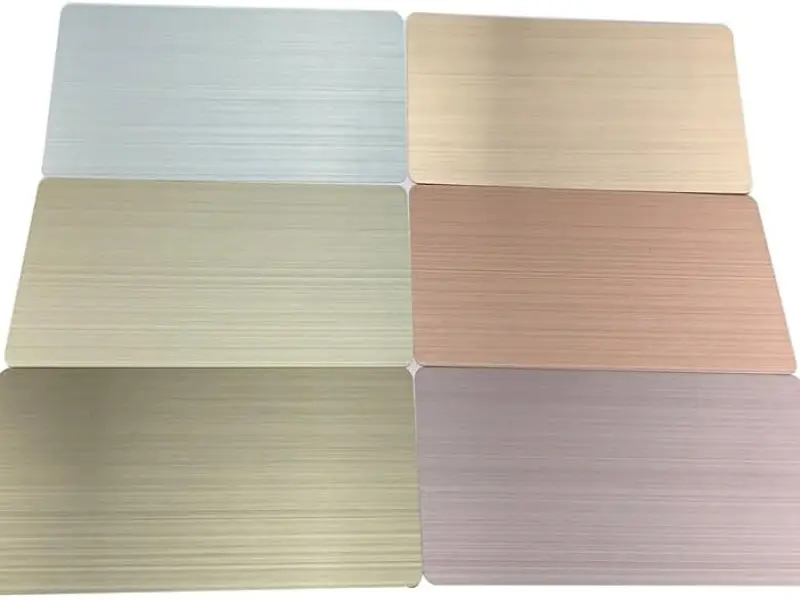
We supply brushed aluminium veneer in several product formats. Each type suits a different project requirement. Below is a summary of our main product lines.
Brushed aluminium veneer sheet
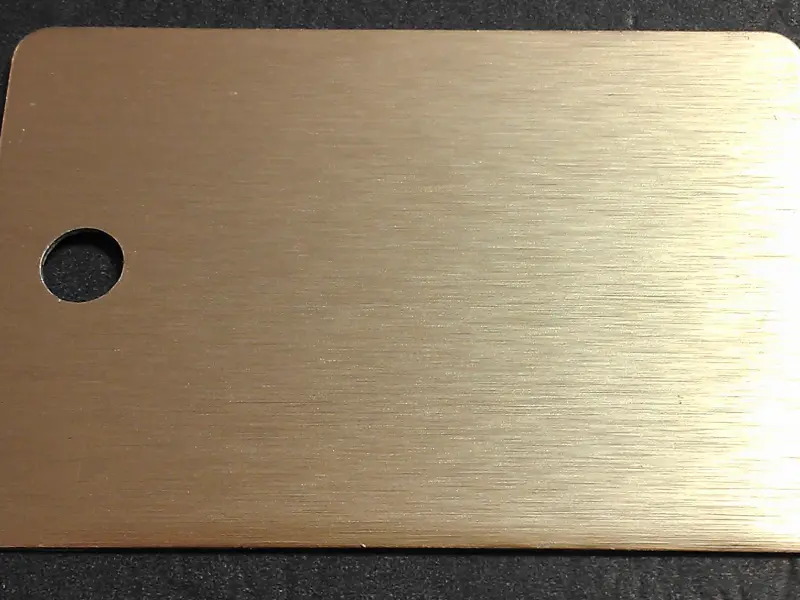
Single-skin brushed aluminium sheet. Used for wall cladding, furniture facing, and signage. Lightweight and easy to cut or form.
Brushed aluminium composite panel
Brushed aluminium skin bonded to PE or FR core. Ready-to-install flat panel for facades, shopfronts, and interior walls.
Brushed aluminium honeycomb panel
Brushed skin over aluminium honeycomb core. Very lightweight and rigid. Used for ceilings, partitions, and transport interiors.
Brushed brass veneer panel
Aluminium panel with brass-tone PVD or coating. Similar texture to brushed aluminium but with a warm gold tone for luxury interiors.
Brushed anodized aluminium veneer
Brushed finish then anodized for extra durability. Harder surface, colour options available. Common in high-traffic commercial spaces.
Brushed aluminium vertical blind slats
Narrow brushed aluminium strips for vertical blind systems. Lightweight, durable, and easy to clean. Popular in offices and commercial buildings.
Surface finish options
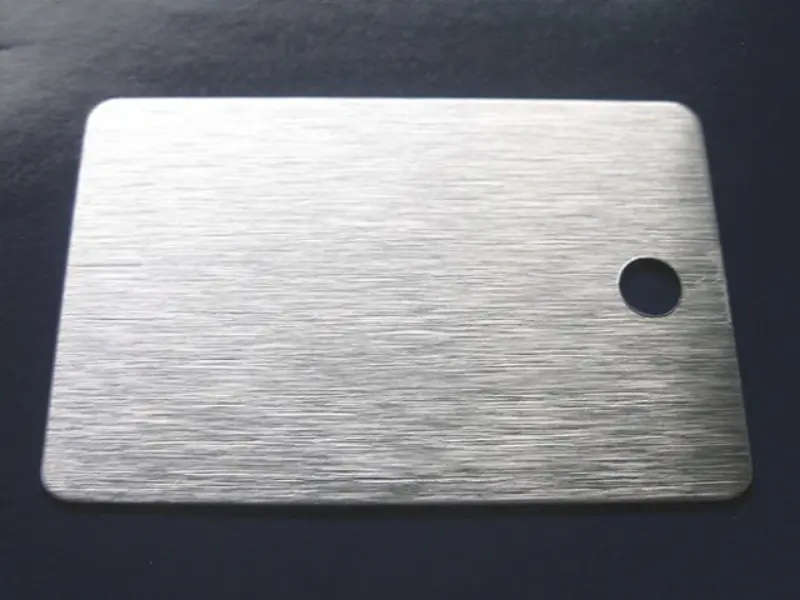
We offer a wide range of surface finishes for aluminium veneer. Brushed is the most popular, but we can supply polished, satin, anodized, and coated finishes on the same panel format.
| Finish type | Gloss level (GU) | Texture | Best use |
|---|---|---|---|
| Brushed (No.4) | 15–30 GU | Fine linear grain | Architecture, furniture, signage |
| Brushed (No.8 hairline) | 10–20 GU | Very fine long lines | Luxury interiors, lift cabins |
| Satin | 30–50 GU | Smooth, low sheen | Interior walls, doors |
| Mirror polished | 80–95 GU | Reflective, no grain | Decorative, retail |
| Anodized brushed | 15–30 GU | Brushed + hard coat | High-traffic, outdoor |
| PVD coated brushed | 15–30 GU | Brushed + colour coat | Gold, black, rose gold tones |
Standard specifications
| Parameter | Standard options | Custom range |
|---|---|---|
| Sheet thickness | 0.5 mm, 0.8 mm, 1.0 mm, 1.5 mm, 2.0 mm, 3.0 mm | 0.3–6.0 mm |
| Panel width | 1000 mm, 1220 mm, 1500 mm | Up to 2000 mm |
| Panel length | 2000 mm, 2440 mm, 3000 mm | Up to 6000 mm |
| Alloy grade | 1100, 3003, 5005, 5052 | Per project spec |
| Temper | H14, H16, H18, H24 | Per spec |
| Brush direction | Long-grain, cross-grain, radial | Custom pattern |
| Substrate options | Bare sheet, PE core, FR core, honeycomb | Custom composite |
Brushed aluminum vs other finishes — comparison
Customers often ask how brushed aluminum compares to similar surface options. Here is a clear side-by-side overview.
Brushed aluminum vs polished aluminum
| Property | Brushed aluminum | Polished aluminum |
|---|---|---|
| Gloss level | Low (15–30 GU) | Very high (80–95 GU) |
| Scratch visibility | Low — grain hides marks | High — marks show clearly |
| Fingerprint resistance | Good | Poor |
| Maintenance | Easy | Requires regular polishing |
| Cost | Lower | Higher |
| Best use | High-traffic areas, facades | Decorative, retail displays |
Brushed aluminum vs stainless steel
| Property | Brushed aluminum | Brushed stainless steel |
|---|---|---|
| Weight (kg/m² at 1.5mm) | ~4.1 kg | ~11.8 kg |
| Corrosion resistance | Good (with coating) | Excellent |
| Cost | Lower | Higher |
| Formability | Excellent | Good |
| Appearance | Warm silver tone | Cool blue-silver tone |
| Best use | Architecture, interiors | Kitchens, marine, food industry |
Brushed aluminum vs brushed nickel / satin nickel
| Property | Brushed aluminum | Brushed nickel / satin nickel |
|---|---|---|
| Base material | Aluminium alloy | Zinc or brass with nickel plating |
| Weight | Light | Heavier |
| Cost | Lower | Higher |
| Tarnish resistance | Good | Excellent |
| Available panel size | Large sheets / panels | Usually small hardware pieces |
| Best use | Wall panels, facades, furniture | Door hardware, taps, fixtures |
Brushed aluminum vs anodized aluminum
| Property | Brushed aluminum | Brushed + anodized |
|---|---|---|
| Surface hardness | Medium (base alloy) | High (anodic layer 10–25 μm) |
| Colour options | Natural silver, coated colours | Silver, bronze, black, gold, champagne |
| Corrosion resistance | Good | Very good |
| Cost | Lower | Slightly higher |
| Can be re-polished? | Yes | Limited — anodic layer must be stripped first |
Is brushed aluminum more expensive than standard mill finish? Yes — slightly. The brushing process adds a step. But compared to stainless steel, nickel, or polished finishes, brushed aluminum is a cost-effective choice with a premium appearance.
Can brushed aluminum be anodized?
Yes. Brushed aluminum can be anodized after brushing. The process creates a hard oxide layer on the surface. The brushed grain pattern remains visible through the anodic coating. This is a common choice for exterior facades and high-wear areas because it combines the visual texture of brushed metal with the durability of anodizing.
Our factory offers brushed-then-anodized panels in silver, champagne, bronze, black, and gold tones. Anodic coating thickness is typically 10 μm (interior) or 20–25 μm (exterior).
Can brushed aluminum be polished?
Yes. A brushed aluminium surface can be polished to remove the grain texture and create a mirror finish. This is done by progressively using finer abrasives until the linear marks disappear.
How to refinish brushed aluminum
Refinishing brushed aluminum veneer is straightforward. The key is to match the original grain direction and grit level.
| Step | Action | Tool / material |
|---|---|---|
| 1. Clean | Remove dirt, grease, and oxidation | Mild detergent, soft cloth |
| 2. Assess | Check scratch depth and grain direction | Visual inspection |
| 3. Sand | Sand along the grain with medium grit | 120–180 grit abrasive pad |
| 4. Refine | Sand with finer grit to match original texture | 220–320 grit |
| 5. Clean again | Remove all sanding dust | Tack cloth or compressed air |
| 6. Protect | Apply clear lacquer or wax if needed | Aluminium-safe clear coat |
For factory-produced brushed aluminium veneer panels, we recommend replacing damaged sections rather than refinishing, as matching the exact grain pattern can be difficult on site.
Application areas
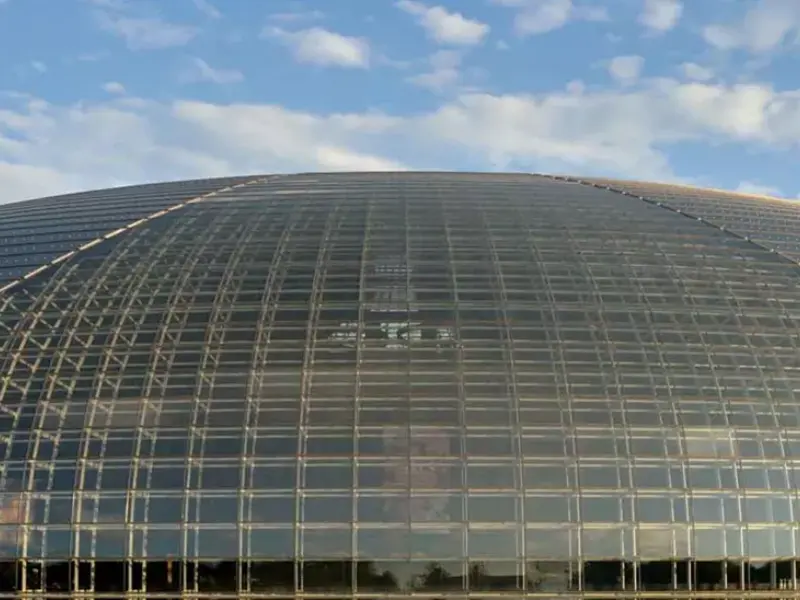
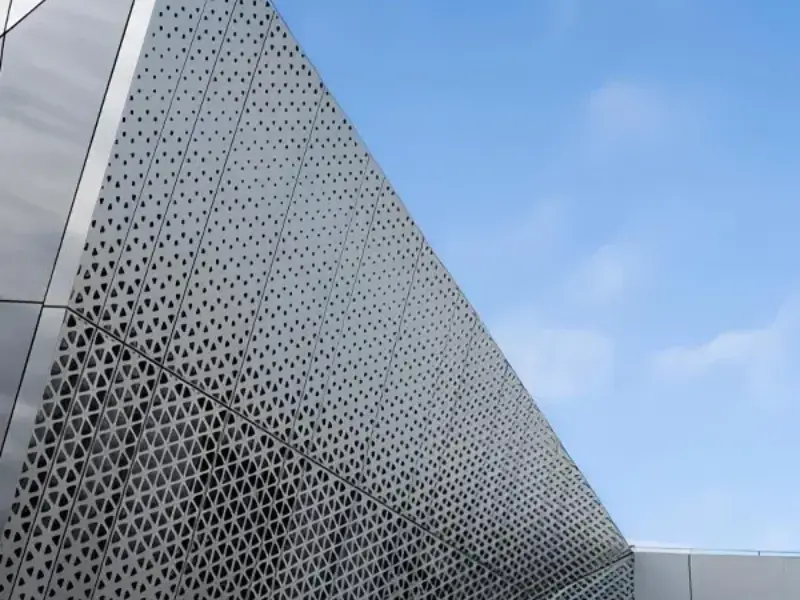
Below are the main areas where our products are specified.
Architecture & facades
- Exterior wall cladding panels
- Curtain wall infill panels
- Column and pillar cladding
- Entrance canopies and soffits
- Rooftop equipment screens
Interior design
- Feature wall panels and accent walls
- Lift cabin interior lining
- Reception desk cladding
- Hotel lobby and corridor walls
- Retail shop fronts and display walls
Furniture & fit-out
- Cabinet door facing
- Table and desk surfaces
- Wardrobe panel fronts
- Kitchen splashbacks
- Office partition panels
Transport & industrial
- Train and bus interior panels
- Brushed aluminum vertical blind slats
- Equipment housing and enclosures
- Signage and wayfinding panels
- Clean room wall linings
Why choose brushed aluminium veneer?
| Advantage | Detail |
|---|---|
| Lightweight | 2–6 kg/m² depending on substrate — much lighter than stone or steel |
| Scratch-resistant appearance | The brushed grain pattern hides minor scratches and fingerprints |
| Durable | Aluminium does not rust; surface coatings extend lifespan to 20+ years outdoors |
| Versatile finish | Works in modern, industrial, Scandinavian, and luxury design styles |
| Easy to fabricate | Can be cut, bent, routed, and perforated without losing finish quality |
| Cost-effective | Lower cost than stainless steel, nickel, or stone with similar visual impact |
| Sustainable | Aluminium is 100% recyclable without loss of quality |
Brushed brass veneer — a related option
Brushed brass veneer uses the same panel format as brushed aluminium veneer but with a warm golden-brown tone. It is produced by applying a PVD brass-tone coating over a brushed aluminium base. The result looks like real brushed brass but at a fraction of the weight and cost.
Common uses include hotel lobbies, restaurant interiors, retail spaces, and luxury residential projects. We supply brushed brass veneer panels in the same sizes and substrates as our standard brushed aluminium range.
What is brushed aluminium veneer?
Brushed aluminium veneer is a thin aluminium sheet with a fine linear texture on the surface. The result is a soft, matte finish with parallel lines — clean, modern, and widely used in architecture and interior design.
An aluminum veneer panel typically uses a thin aluminium skin (0.5–3 mm) bonded to a substrate such as aluminium honeycomb, PE foam, or solid aluminium. The brushed surface adds aesthetic value without changing the structural properties.
Brushed aluminium veneer combines the strength of metal with a refined visual texture. It is one of the most popular surface finishes for modern building facades and interior fit-outs.
Factory capabilities
Brushing line
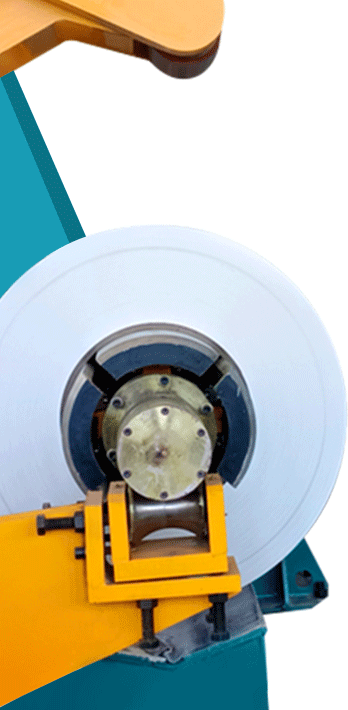
Automated belt-brush system. Consistent grain across full panel width up to 2000 mm.
Anodizing plant
In-house anodizing for silver, bronze, black, champagne, and gold tones.
PVD coating
Brass, rose gold, black, and titanium tones applied over brushed base.
PVDF / PE coating
Over 200 RAL colours available on brushed substrate for exterior panels.
CNC fabrication
Cutting, bending, drilling, and routing to ±0.5 mm tolerance.
Quality control
Gloss measurement, adhesion test, and salt-spray corrosion test on every batch.
How to order
| Step | Action | Lead time |
|---|---|---|
| 1. Inquiry | Send finish, size, quantity, and application details | Reply within 24 hours |
| 2. Quotation | Receive itemized price with full specifications | 1–2 business days |
| 3. Sample | Request a brushed finish sample for approval | 5–7 days |
| 4. Production | Confirm order, start production | 10–20 days |
| 5. Shipping | Sea or air freight to your destination | Depends on region |
Minimum order is flexible — we accept small trial orders. Contact us today for a free quote on brushed aluminium veneer, brushed brass veneer, or any custom finish panel.
Frequently asked questions
What is brushed aluminum?
Brushed aluminum is an aluminium sheet or panel that has been mechanically abraded with fine abrasive belts to create a consistent linear grain texture. The process gives the metal a soft, matte appearance with directional lines. It has uses in architecture, interior design, and product manufacturing.
What is aluminum veneer?
Aluminum veneer is a thin aluminium sheet used as a surface finish layer. It is typically 1–3 mm thick and have installation over walls, ceilings, columns, or other structures as a decorative and protective cladding. It can be flat, curved, perforated, or shaped by CNC machining.
Is brushed aluminum more expensive than standard aluminium?
Yes, slightly. The brushing process adds one step to production, which increases cost. However, brushed aluminium is still much more affordable than stainless steel, nickel, or stone with a similar visual effect. The price difference versus plain mill-finish aluminium is usually 10–25% depending on the finish quality and panel type.
Can brushed aluminum be anodized?
Yes. Brushing is done first, then the panel goes through the anodizing process. The anodic layer is transparent, so the brushed grain remains fully visible. Anodizing improves hardness and corrosion resistance. It is the recommended finish for exterior use or high-wear interior environments.
Brushed nickel vs brushed aluminum — which should I choose?
For large wall panels, facades, or furniture, brushed aluminum is the better choice. It is lighter, more affordable, and available in large sheet sizes. Brushed nickel is typically used for small hardware items such as door handles, taps, and light fittings. Both have a similar grey-silver tone, but brushed nickel has a slightly warmer hue.