Aluminium Veneer Curtain Wall
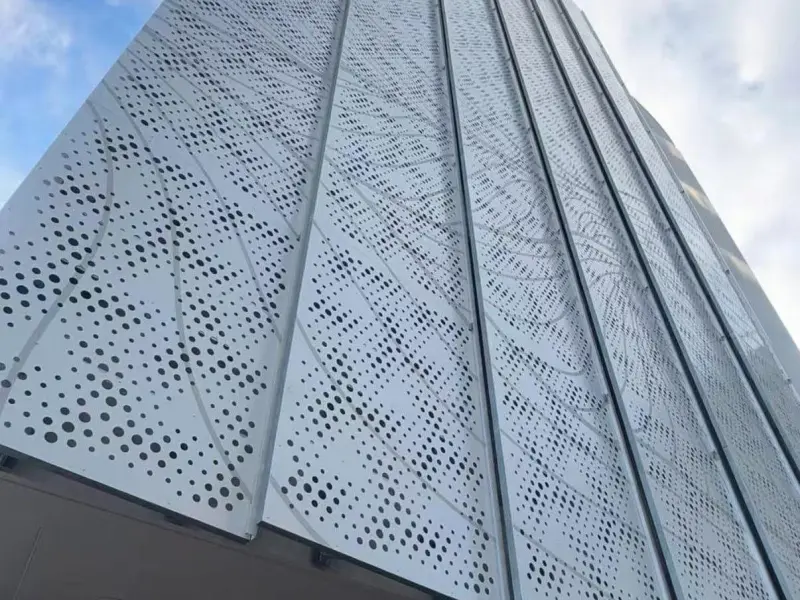
In the world of modern architecture, the exterior of a building serves as its protective skin and its primary aesthetic statement. The aluminium veneer curtain wall has emerged as one of the most popular choices for high-end commercial and residential buildings.
1. What is an Aluminium Veneer Curtain Wall?
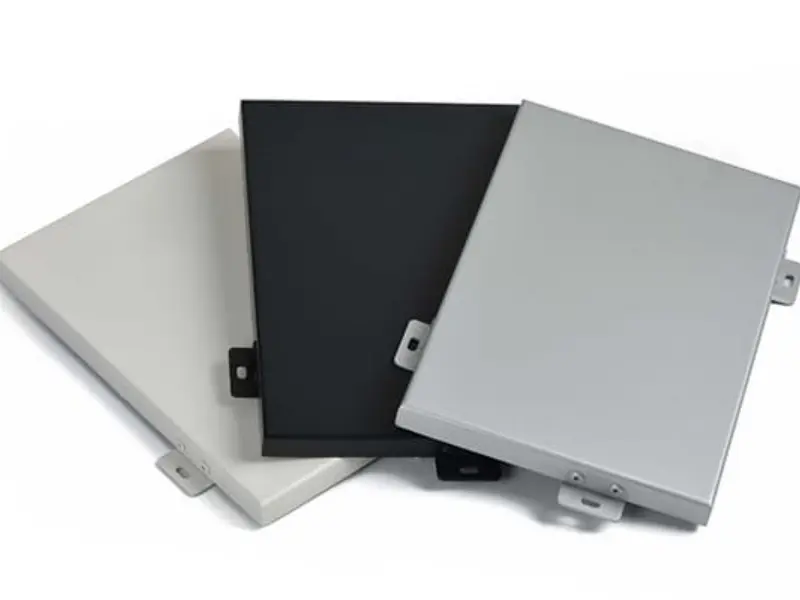
An aluminium veneer curtain wall is an external building envelope made of solid aluminum plates (veneers) attached to a metal frame. Unlike traditional masonry, an aluminum curtain wall system does not carry the structural load of the building. Instead, it provides a lightweight, durable, and weather-resistant barrier.
The use of aluminum veneer allows architects to create complex shapes, vibrant colors, and sleek finishes that are impossible with other materials.
Key Material Properties (Table 1)
| Property | Value | Description |
|---|---|---|
| Material Grade | 1100,3003,5005 | High-quality aluminum alloys |
| Thickness Range | 1.5mm to 4.0mm | Options for different wind loads |
| Surface Coating | PVDF, Powder, Anodized | Weather and UV resistance |
| Core Material | None (Solid) | Pure aluminum for fire safety |
| Weight | Approx. 5.5−8.5 kg/m2 | Varies by thickness |
2. Types of Curtain Wall Systems
When selecting a veneer curtain wall, it is essential to understand the different configurations available. Many professionals search for Types of curtain wall systems PDF to find these classifications.
A. Stick-Built System
In this system, the aluminum curtain wall frame (mullions and transoms) and the aluminum veneer panels are installed piece by piece on the construction site. It is highly flexible and ideal for irregular building shapes.
B. Unitized System
This system consists of large units that are pre-assembled and glazed in a factory. These units are then shipped to the site and hung on the building. It is much faster to install and offers superior quality control.
C. Hook-on Veneer System
A specialized veneer curtain wall system where the panels are “hooked” onto a pre-installed sub-frame. This allows for easy replacement of individual panels if they become damaged.
3. Detailed Specifications of Aluminum Veneer
Understanding aluminum curtain wall details is crucial for ensuring the longevity of a project. The performance of the wall depends on the specifications of the aluminum veneer used.
Panel Specifications (Table 2)
| Specification Type | Standard Options | Custom Options |
|---|---|---|
| Standard Width | 1220mm, 1500mm | Up to 2000mm |
| Standard Length | 2440mm, 3000mm | Up to 6000mm |
| Bending Angle | 90 degrees | Custom radii available |
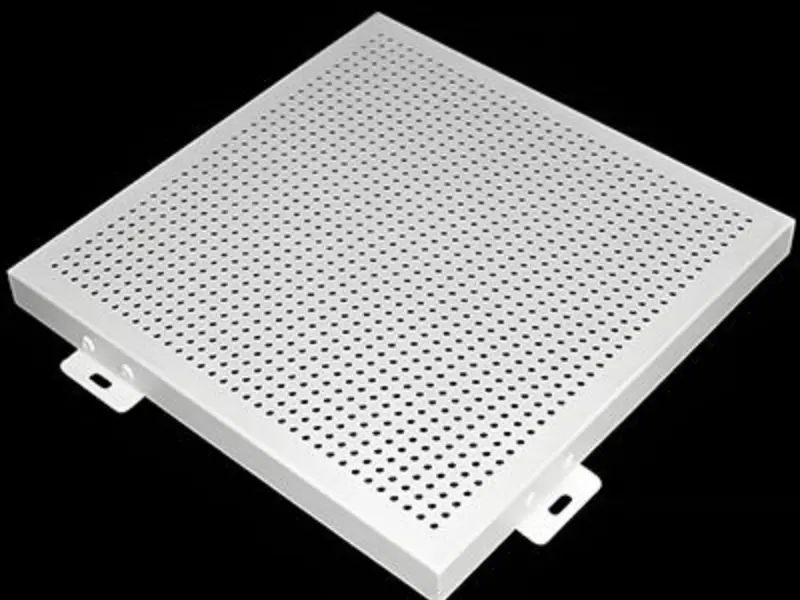
| Perforation | None (Solid) | Round, Square, or Artistic patterns |
| Fire Rating | Class A1 | Non-combustible material |
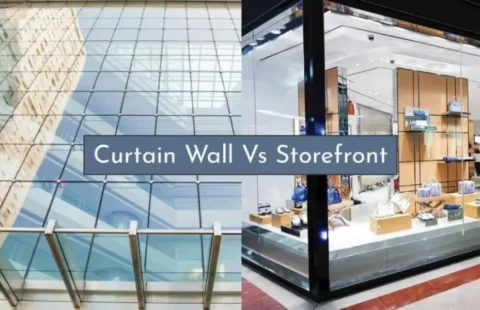
4. Curtain Wall vs. Storefront: What’s the Difference?
A common question among developers is the choice of Curtain wall vs storefront. While they may look similar, their performance levels are very different.
Comparison Table (Table 3)
| Feature | Curtain Wall System | Storefront System |
|---|---|---|
| Height Capacity | Unlimited (High-rise) | Max 10−12 feet (Ground floor) |
| Water Drainage | Highly Advanced (Internal) | Basic (Sill-based) |
| Installation | Attached to Floor Slabs | Fit between Floor and Ceiling |
| Cost | Higher | Lower |
| Main Material | Aluminum veneer / Glass | Aluminum Extrusion / Glass |
5. Why Choose Aluminum Veneer?
The aluminum veneer curtain wall offers several advantages that make it a top choice for Curtain wall manufacturers worldwide.
- Durability: Unlike wood or stone, aluminum does not rot or crack.
- Weight: It is much lighter than precast concrete or natural stone, reducing the load on the building’s foundation.
- Design Freedom: It can be perforated, curved, or textured.
- Eco-Friendly: Aluminum is 100% recyclable, making it a sustainable choice for green building certifications.
- Low Maintenance: PVDF coatings can last over 20 years without fading or requiring significant cleaning.
6. Popular Aluminum Veneer Product Types
Leading Curtain wall manufacturers offer a variety of specialized products to meet different architectural needs.
1. PVDF Coated Aluminum Veneer
The “gold standard” for exterior walls. It uses a fluorocarbon resin that resists acid rain, air pollution, and harsh sunlight.
2. Wood-Grain Aluminum Veneer
For those who love the look of natural wood but want the fire resistance and durability of metal. It is perfect for modern “nature-inspired” facades.
3. Perforated Aluminum Panels
These panels are used in an aluminum curtain wall system to provide ventilation or create unique lighting effects at night.
4. Hyperbolic Aluminum Veneer
This represents the highest level of craftsmanship. These are panels with complex double-curved surfaces, often seen in futuristic museum or stadium designs.
7. Application Fields
The versatility of the veneer curtain wall makes it suitable for a wide range of environments:
- Skyscrapers: Providing a lightweight and wind-resistant skin.
- Airports & Train Stations: Large-scale panels for modern transit hubs.
- Shopping Malls: Creating eye-catching entrance features and brand identities.
- Hospitals & Schools: Clean, durable surfaces that require minimal upkeep.
- Interior Ceilings: Using thinner aluminum veneer for decorative indoor features.
- Renovations: Giving old buildings a modern look without adding heavy weight.
8. Technical Installation Details
When reviewing aluminum curtain wall details, the installation method is a key factor. Most systems follow these steps:
- Survey and Layout: Measuring the building’s structural points.
- Bracket Installation: Fixing steel or aluminum brackets to the main structure.
- Framework Assembly: Installing the mullions and transoms.
- Panel Mounting: Attaching the aluminum veneer panels using screws or hooks.
- Sealing: Applying weather-resistant silicone sealant to the joints to ensure water-tightness.
9. How to Choose Curtain Wall Manufacturers
Selecting the right partner is vital. When evaluating Curtain wall manufacturers, consider the following:
- Factory Equipment: Do they have CNC bending and punching machines for precision?
- Coating Quality: Do they have an in-house PVDF coating line?
- Portfolio: Have they successfully completed aluminum veneer curtain wall projects of a similar scale?
- Documentation: Can they provide a Types of curtain wall systems PDF with their specific testing results?
10. Digital Specifications Summary (Table 4)
| Component | Standard | Digital Value |
|---|---|---|
| Wind Pressure Resistance | GB/T 7106 | Up to 5.0 kPa |
| Air Permeability | Level 4 | ≤0.5 m3/(m⋅h) |
| Water Tightness | Level 3 | ≥700 Pa |
| Heat Insulation | K-Value | Approx. 2.0−5.0 W/(m2⋅K) |
Aluminium veneer curtain wall System
The aluminium veneer curtain wall is more than just a decorative choice; it is a high-performance engineering solution. By combining the strength of an aluminum curtain wall system with the aesthetic flexibility of aluminum veneer, modern buildings can achieve both beauty and longevity.
Whether you are comparing curtain wall vs storefront for a new retail project or looking for the latest aluminum veneer curtain wall technology for a high-rise, understanding these details ensures a superior outcome. Always consult with professional Curtain wall manufacturers to get the best technical support and material quality for your specific needs.

Leave a Comment
You must be logged in to post a comment.