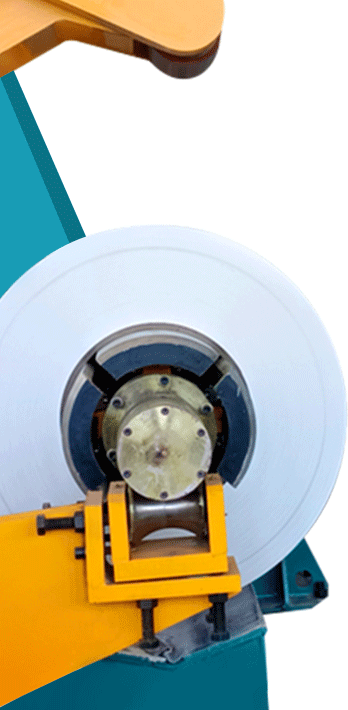
Aluminium perforated panels are lightweight, strong, and decorative metal sheets with precise holes punched through their surface. They are widely used in architecture, interior design, facades, ceilings, and industrial applications. As a leading aluminium perforated sheet supplier in China, we offer high-quality panels in various sizes, designs, and alloys to meet project needs.
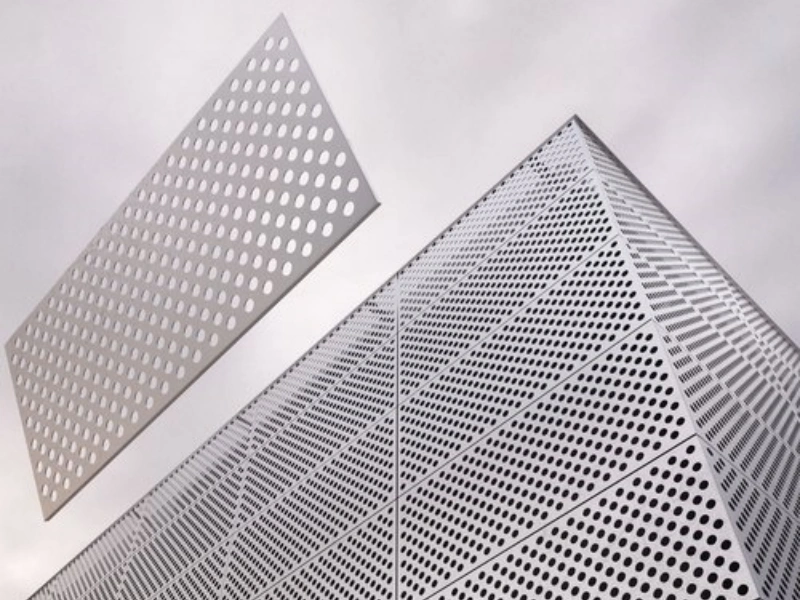
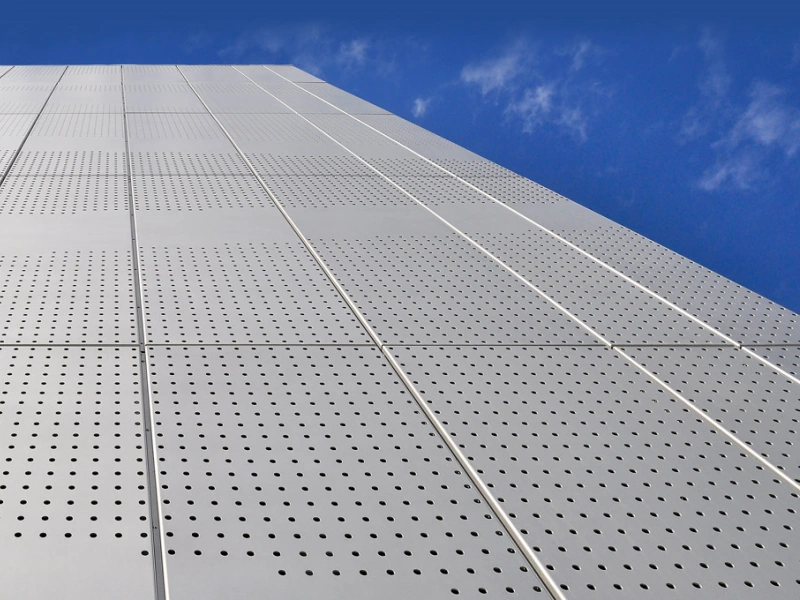
Specification of Aluminium Perforated Panels
Aluminium perforated panels come in different thicknesses, hole sizes, and patterns. Key specifications include:
- Material: 1060, 1100, 3003, 5052, 6061 aluminum alloy
- Thickness: 0.8mm – 6mm
- Hole shape: Round, square, slotted, hexagonal, custom
- Hole diameter: 1mm – 50mm
- Sheet size: 1220x2440mm, 1000x2000mm, or customized
- Surface finish: Anodized, powder coated, PVDF, brushed, mirror polished
Classification of Aluminium Perforated Panels
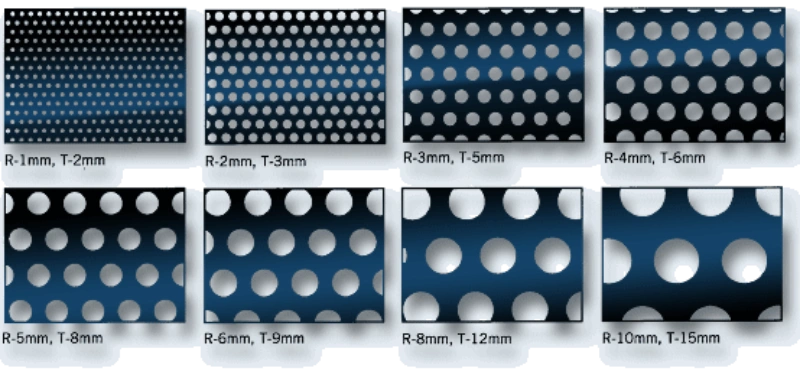
Aluminium perforated panels can be classified by:
- By hole pattern:
- Round hole perforated sheet
- Square hole perforated sheet
- Decorative patterns
- By function:
- Acoustic panels
- Ventilation panels
- Decorative wall and ceiling panels
- By surface finish:
- Powder coated
- Anodized
- Brushed or polished
Aluminum Perforated Sheet for Architectural Ceiling
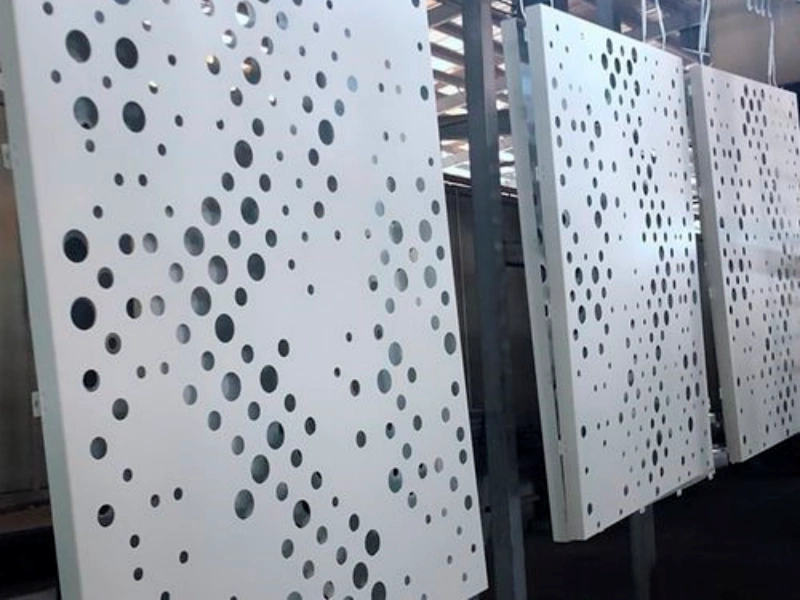
Perforated aluminum ceiling panels are commonly used in commercial buildings, airports, offices, and shopping centers. They offer:
- Good sound absorption
- Lightweight for easy installation
- Modern, stylish look
- Rust and corrosion resistance
Popular ceiling applications include:
- Suspended ceilings
- Acoustic panels
- Airflow control panels
Aluminium Perforated Sheets-Corrugated Cladding
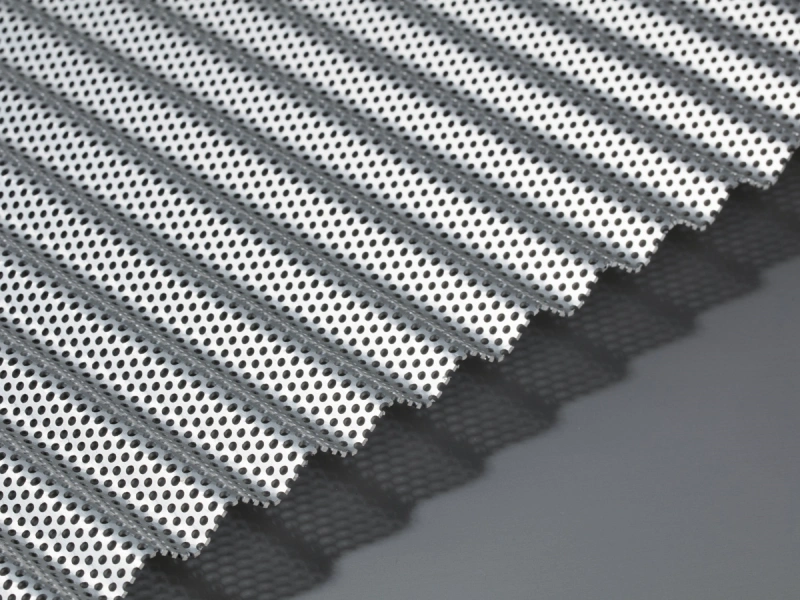
For applications requiring enhanced rigidity and a distinct linear aesthetic, aluminium perforated sheets-corrugated cladding is an excellent option. The corrugation adds strength and a unique wavy or ribbed profile, often used for:
- Architectural Facades: Creating dynamic light and shadow effects.
- Industrial Buildings: Durable and aesthetically pleasing exterior finishes.
- Interior Features: Adding depth and texture to large spaces.
Different Alloys of Aluminium Perforated Panel
1060 / 1100: Good corrosion resistance, low strength, economical
3003: Better strength and excellent corrosion resistance
5052: Stronger, used in marine and outdoor environments
6061: High strength, good for structural and decorative use
Choose the right alloy based on your design and performance needs.
Discover the Power of Perforated Aluminum Panels
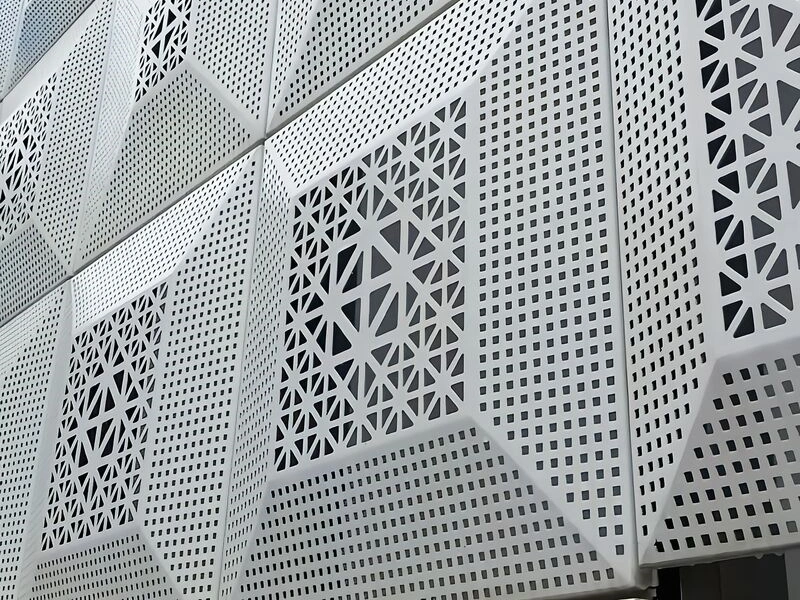
In contemporary architecture, design, and industry, materials that offer both aesthetic appeal and robust functionality are highly valued. Among these, the aluminium perforated panel stands out as a leading choice. These panels, featuring a pattern of punched holes, transform plain aluminum sheets into dynamic surfaces. They are widely recognized for their versatility, lightness, and ability to blend design with performance.
Aluminium Perforated Panel Types
Aluminium perforated panels are widely used in construction, decoration, and industrial design. They are made by punching holes into aluminum sheets. The holes can have different shapes and sizes.
These panels are lightweight, strong, and corrosion-resistant. They are easy to install and maintain. Different types are available for different applications.
Below are the main product types, explained clearly to help you choose the right one.
1. Flat Aluminium Perforated Panel
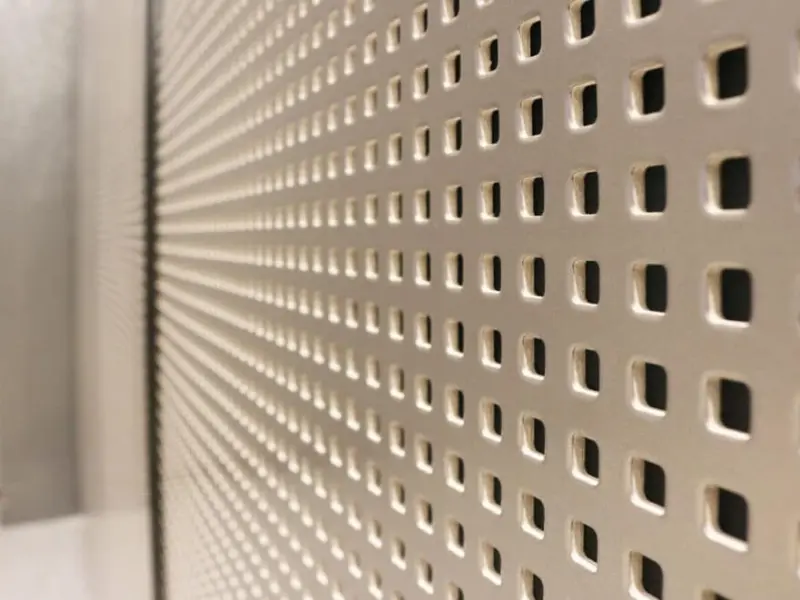
Flat panels are the most common type. They have a simple and clean structure.
They are usually installed on walls, ceilings, or facades. The surface is smooth, and the holes are evenly distributed.
Features:
- Easy to install
- Cost-effective
- Suitable for large areas
- Available in many hole patterns
Typical uses:
- Wall cladding
- Interior decoration
- Ceiling systems
2. Perforated Aluminium Facade Panel
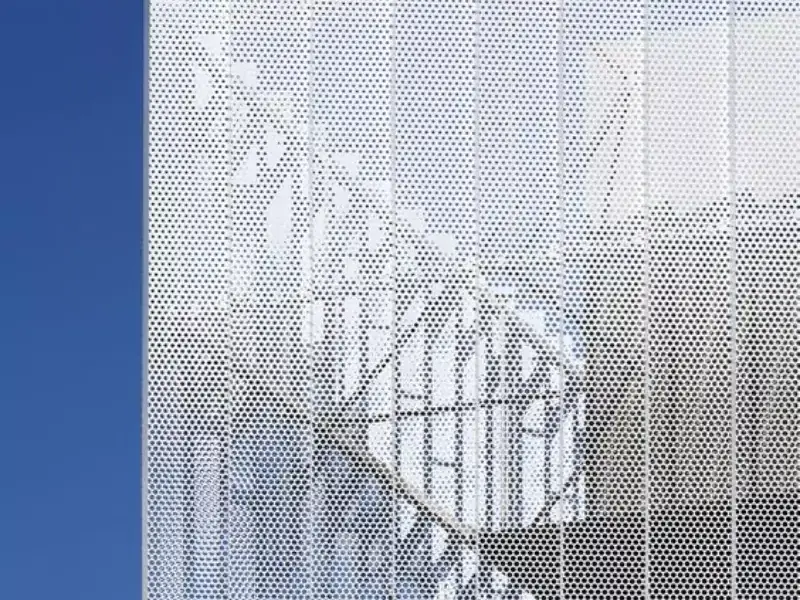
Facade panels are designed for building exteriors. They combine function and design.
These panels can improve airflow and reduce sunlight. They also give buildings a modern look.
Features:
- Weather resistant
- UV resistant coating
- Custom patterns available
- Good ventilation
Typical uses:
- Building facades
- Curtain wall systems
- Exterior decoration
3. Perforated Aluminium Ceiling Panel
Ceiling panels are used in indoor spaces. They help improve air circulation and acoustics.
They are often used in commercial buildings.
Features:
- Lightweight
- Sound absorption
- Easy maintenance
- Fire resistant
Typical uses:
- Offices
- Airports
- Shopping malls
- Hospitals
4. Decorative Perforated Aluminium Panel
Decorative panels focus on appearance. They are used in design projects.
Hole patterns can be customized for unique visual effects.
Features:
- Artistic designs
- Custom hole shapes
- Powder coating or anodized finish
- Modern style
Typical uses:
- Interior decoration
- Screens and partitions
- Furniture design
5. Perforated Aluminium Screen Panel
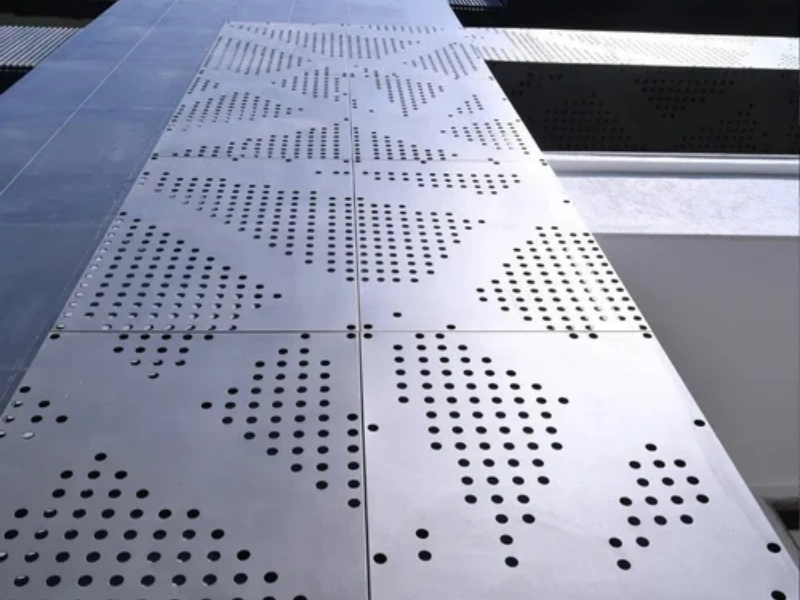
Screen panels are used for privacy and shading. They can block light while allowing airflow.
Features:
- Good ventilation
- Privacy protection
- Stylish appearance
- Durable material
Typical uses:
- Balcony screens
- Garden fences
- Sun shading systems
6. Acoustic Perforated Aluminium Panel
Acoustic panels are designed to reduce noise. They are often combined with insulation materials.
Features:
- Sound absorption
- Noise reduction
- Clean surface
- Long lifespan
Typical uses:
- Auditoriums
- Conference rooms
- Studios
- Public buildings
7. Industrial Perforated Aluminium Panel
Industrial panels are used in factories and engineering projects. They focus on strength and function.
Features:
- High strength
- Wear resistance
- Custom hole sizes
- Functional design
Typical uses:
- Machine covers
- Ventilation systems
- Safety barriers
- Filters and screens
Common Hole Types
| Hole Type | Description | Application |
|---|---|---|
| Round Hole | Most common | General use |
| Square Hole | Strong structure | Industrial use |
| Slotted Hole | Long holes | Ventilation |
| Decorative | Custom shapes | Design projects |
What is a Perforated Aluminum Panel?
An aluminium perforated panel is essentially an aluminum sheet or plate that has been mechanically punched with a series of holes. These holes can be in various shapes (round, square, slotted, hexagonal, etc.), sizes, and patterns, creating a unique visual texture. The process of perforation not only alters the appearance of the metal but also imparts specific functional properties, making perforated aluminum a highly engineered material.
Perforated Aluminum: Applications, Fabrication and Benefits
The widespread adoption of perforated aluminum is driven by its exceptional benefits and straightforward fabrication process.
Key Benefits of Using Perforated Aluminum
Choosing an aluminium perforated panel for your project brings numerous advantages:
- Lightweight: Aluminum is inherently light, and the perforation process further reduces its weight without significantly compromising strength, making handling and installation easier.
- High Strength-to-Weight Ratio: Despite being lightweight, these panels maintain good structural integrity, offering durability comparable to heavier materials.
- Excellent Corrosion Resistance: Aluminum naturally forms a protective oxide layer, making perforated aluminum highly resistant to rust and corrosion, ideal for both indoor and outdoor use.
- Superior Aesthetics: The wide range of perforation patterns, finishes, and colors allows for stunning visual effects, offering both modern and classic design possibilities. Decorative perforated aluminum sheet metal is a prime example of this versatility.
- Acoustic Control: The holes in the panels can help absorb sound waves, reducing echo and improving acoustics in large spaces. This makes them excellent for acoustic panels.
- Ventilation and Airflow: The perforations allow for controlled airflow, essential for screening, shading, and ventilation applications.
- Light Diffusion and Shading: Perforated aluminum can effectively diffuse natural light, reducing glare while still allowing brightness. It also provides solar shading, helping to manage indoor temperatures.
- Sustainability: Aluminum is a highly recyclable material, making aluminium perforated panels an environmentally friendly choice.
- Easy Fabrication and Installation: These panels are relatively easy to cut, bend, and form, simplifying installation and allowing for custom designs.
Fabrication of Perforated Aluminum
The fabrication process typically involves feeding aluminum sheets into a specialized punching machine that uses dies to create the desired perforation pattern. After punching, panels can undergo various finishing treatments, such as:
- Anodizing: Creates a durable, corrosion-resistant, and aesthetically pleasing finish in various colors.
- Powder Coating: Applies a protective and decorative layer in virtually any color.
- PVDF Coating: Offers excellent weather resistance and color retention for exterior applications.
- Brushing or Polishing: For specific metallic aesthetics.
Classification and Types of Aluminium Perforated Panels
Aluminium perforated panels are highly customizable, offering a broad classification based on their characteristics:
- Hole Shape: Round, square, slotted, hexagonal, rectangular, and custom shapes. Round holes are the most popular metal material choice.
- Hole Size and Pitch: The diameter of the holes and the distance between them (pitch) directly affect the panel’s open area, strength, and visual transparency.
- Gauge (Thickness): Panels come in various thicknesses, from very thin sheets for decorative purposes to thicker plates for structural applications.
- Form: Available as flat sheets, formed panels, or corrugated cladding.
- Alloy Type: The choice of aluminum alloy impacts strength, corrosion resistance, and workability.
Perforated Metal Aluminum Wall Panels & Flat Sheet
One of the most common forms is the perforated metal aluminum wall panel and flat sheet. These are versatile for:
- Interior Walls: Adding texture, sound control, or visual interest.
- Exterior Cladding: Providing a lightweight, durable, and weather-resistant facade.
- Fencing and Railings: Offering security with a contemporary look.
Different Alloys of Aluminium Perforated Panel
The performance of an aluminium perforated panel is also dependent on the specific aluminum alloy used. Common alloys for perforation include:
- 1000 Series (e.g., 1050, 1060, 1100): These are commercially pure aluminum alloys, known for excellent corrosion resistance, ductility, and formability, making them easy to perforate. Ideal for general purpose and decorative uses.
- 3000 Series (e.g., 3003, 3105): These alloys contain manganese, which increases their strength and workability, offering good corrosion resistance. Widely used in general sheet metal work and architectural applications.
- 5000 Series (e.g., 5005, 5052): Contain magnesium, providing higher strength, excellent corrosion resistance (especially in marine environments), and good weldability. Suitable for demanding applications.
- 6000 Series (e.g., 6061): Contains silicon and magnesium, offering good formability, weldability, and high strength after heat treatment. 6061 decorative plate is often used when both strength and an aesthetic finish are required, including for perforated applications.
Aluminium Perforated Sheet Price
The aluminium perforated sheet price varies based on several factors:
- Alloy Type and Thickness: Higher-grade alloys and thicker gauges will cost more.
- Perforation Pattern and Open Area: Complex patterns or very high open areas (more material removed) can influence cost.
- Panel Dimensions: Custom sizes or very large panels might incur higher manufacturing costs.
- Surface Finish: Specialized finishes like PVDF coating or anodizing add to the price.
- Order Quantity: Bulk orders usually receive significant discounts.
- Supplier Location and Reputation: Prices can vary between different decorative perforated aluminium sheet metal suppliers and regions.
Decorative Perforated Aluminium Sheet Metal Suppliers
When sourcing decorative perforated aluminium sheet metal, choosing a reliable supplier is crucial. Look for suppliers who:
- Offer a wide range of perforation patterns, hole sizes, and finishes.
- Can provide custom fabrication services.
- Have a strong reputation for quality control and timely delivery.
- Offer competitive pricing and clear communication.
Key Applications of Perforated Aluminum
The versatility of perforated aluminum makes it suitable for an extensive range of applications:
- Architectural Facades and Cladding: For modern building exteriors, providing solar shading, ventilation, and a unique visual identity.
- Sunshades and Louvers: Controlling sunlight and heat gain while maintaining views.
- Balustrades and Railings: Offering safety, privacy, and aesthetic appeal.
- Interior Design Elements: Wall panels, room dividers, and decorative features.
- Acoustic Panels: In concert halls, offices, and public spaces to improve sound quality.
- Filtration and Screening: Used in various industries for separating materials or providing protective barriers.
- Ceilings: Especially aluminum perforated sheet for architectural ceiling applications, providing a lightweight, elegant, and functional overhead solution that can integrate lighting and ventilation.
- Guardrails and Fencing: For security and design.
- HVAC Grilles and Diffusers: For airflow control and aesthetic integration.
- Lighting Fixtures: Creating unique light patterns and diffusion.
- Retail Displays and Shelving: Lightweight and visually appealing structures.
- Automotive and Marine Components: For lightweight, strong, and corrosion-resistant parts.
Aluminium Perforated Sheet | Most Popular Metal Material
The combination of aluminum’s inherent properties (lightweight, corrosion-resistant, recyclable) with the added benefits of perforation (aesthetic appeal, acoustic properties, airflow, light diffusion) makes aluminium perforated sheet one of the most popular metal material choices across diverse sectors. Its adaptability to various designs and functional requirements ensures its continued prominence in modern construction and product design.
Aluminium Perforated Sheet and 6061 Decorative Plate
While many alloys are suitable for perforation, Aluminium Perforated Sheet and 6061 Decorative Plate stand out for applications demanding a balance of strength and aesthetic finishing. The 6061 alloy, with its good formability and high strength after heat treatment, is an excellent base for creating decorative perforated plates that are not only visually appealing but also structurally robust. This makes them ideal for high-traffic public areas, furniture, or architectural features where durability is as important as design.
aluminium perforated panel for your projects
The aluminium perforated panel is a truly remarkable material that offers an unparalleled blend of aesthetic flexibility and functional performance. From enhancing building facades and optimizing interior acoustics to facilitating airflow and diffusing light, its applications are nearly limitless. By understanding the various types, benefits, and sourcing considerations, you can confidently integrate perforated aluminum into your next project, creating spaces and products that are both beautiful and highly efficient.
Aluminium Perforated Sheets Supplier in China
We are a leading aluminium perforated sheet supplier in China, with our own factory and modern equipment. Why choose us?
- Full control of quality and production
- Wide range of alloys, sizes, and finishes
- Competitive prices and fast delivery
- Support for custom designs and OEM orders
- Export experience to over 50 countries
FAQ
What is an aluminium perforated panel?
It is an aluminum sheet with holes. It is used for decoration, ventilation, and protection.
Can the hole pattern be customized?
Yes. Size, shape, and spacing can be designed based on your needs.
Is it suitable for outdoor use?
Yes. With proper coating like PVDF, it can resist weather and UV.
What thickness should I choose?
It depends on the application. Thin panels for decoration. Thicker panels for structure.
Is it easy to install?
Yes. Panels can be fixed with frames or brackets.