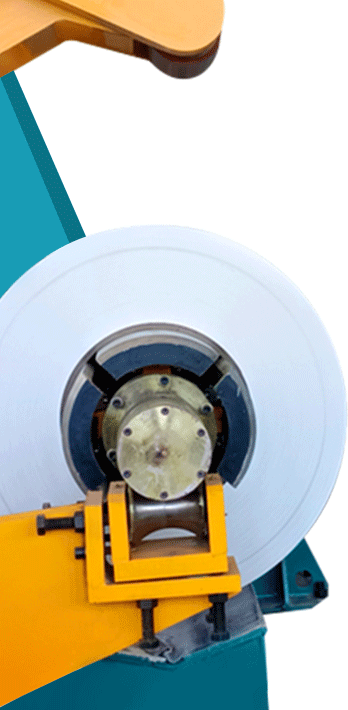
Aluminium flat sheets are thin, flat pieces of aluminum metal widely used in industries like construction, automotive, packaging, and DIY projects. Known for their lightweight nature, corrosion resistance, and ease of fabrication, these sheets are a popular choice for applications requiring strength without bulk. Whether you need material for roofing, HVAC systems, or decorative panels, understanding the properties and specifications of aluminum flat sheets can help you make an informed decision.
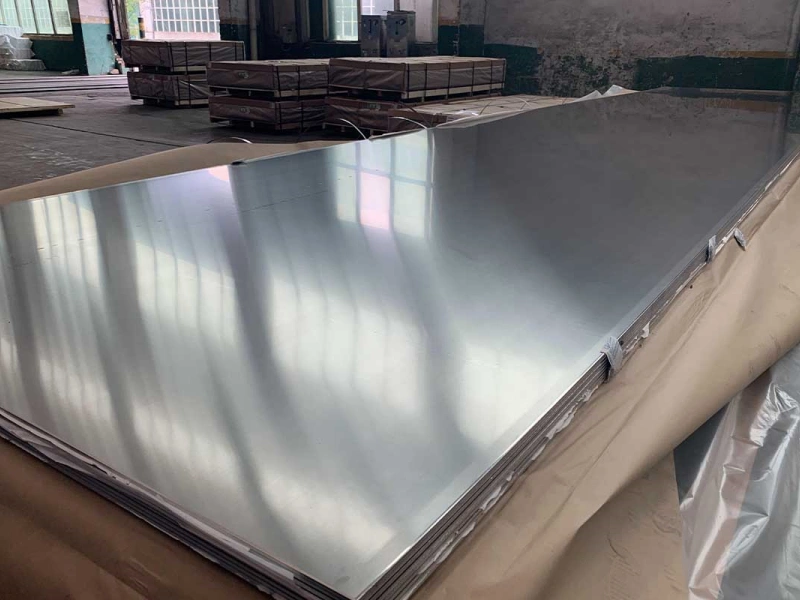
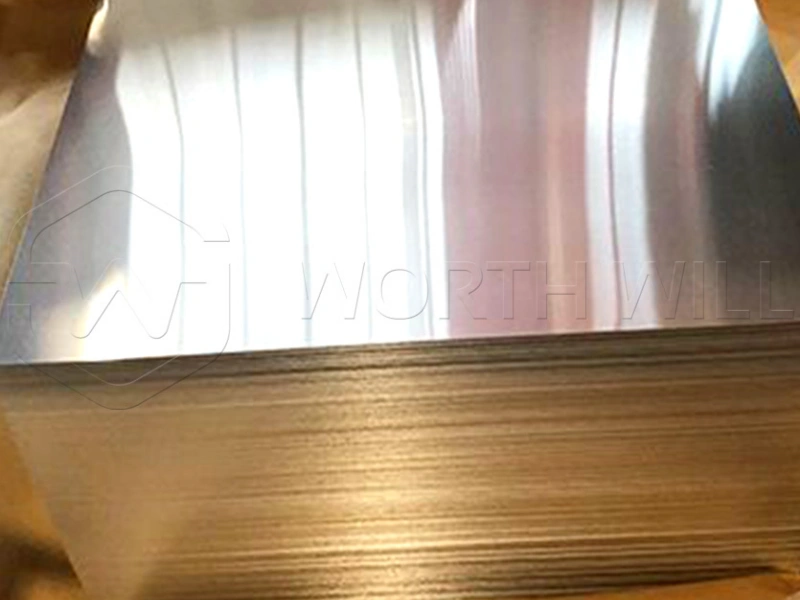
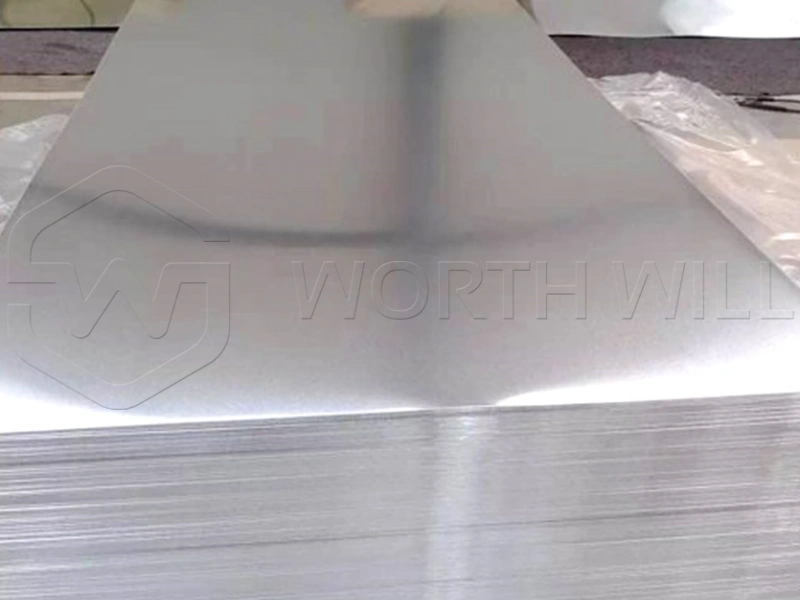

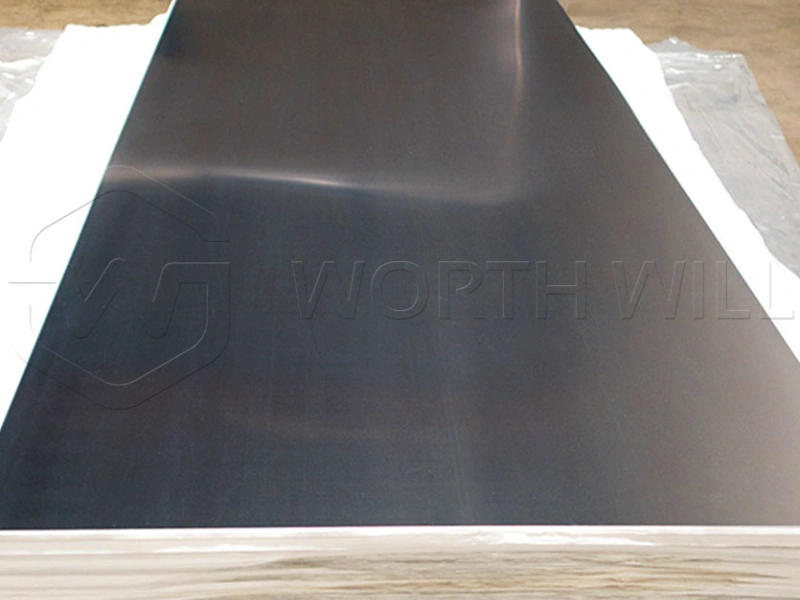
Aluminium Flat Sheet Specifications
Aluminum flat sheets come in various alloys, thicknesses, and finishes. Key specifications include:
- Common Alloys:
- 1100: Pure aluminum with high formability, ideal for chemical equipment.
- 3003: Manganese-added alloy with moderate strength, used in general-purpose applications.
- 5052: High magnesium content for excellent corrosion resistance, popular in marine settings.
- 6061: Heat-treatable alloy with superior strength, suitable for structural components.
- Thickness Range: Typically 0.2mm to 6mm (varies by application).
- Temper Options: Annealed (soft), H14 (semi-hard), H18 (hard).
- Standards: Compliant with ASTM B209, EN AW, and GB/T 3880.
Always verify the aluminum flat sheet specifications to ensure compatibility with your project’s demands.
Key Properties of Aluminum Flat Sheets
- Corrosion Resistance: Naturally forms an oxide layer to protect against rust.
- Lightweight: Weighs one-third less than steel, making it easy to handle and transport.
- Formability: Can be cut, bent, stamped, or welded without cracking.
- Thermal Conductivity: Ideal for heat exchangers and radiators.
- Eco-Friendly: 100% recyclable without losing quality.
These properties make aluminum flat sheets a top choice for both functional and aesthetic applications.
Types of Aluminum Flat Sheets by Alloy
Different alloys offer distinct advantages:
1. 1100 Aluminum Flat Sheet
- Best For: Soft applications like chemical tanks, ductwork, and deep-drawn parts.
- Pros: High workability, excellent corrosion resistance.
- Cons: Lower strength; not suitable for structural use.
2. 3003 Aluminum Flat Sheet
- Best For: General-purpose tasks like food packaging machinery and HVAC systems.
- Pros: Moderate strength, cost-effective.
- Cons: Limited resistance to harsh chemicals.
3. 5052 Aluminum Flat Sheet
- Best For: Marine environments, boat hulls, and saltwater-exposed structures.
- Pros: Superior corrosion resistance, weldable.
- Cons: More expensive than 3003 or 1100 grades.
4. 6061 Aluminum Flat Sheet
- Best For: Aerospace components, bridges, and heavy-duty machinery.
- Pros: High tensile strength (up to 310 MPa), heat-treatable.
- Cons: Prone to cracking if not properly tempered.
Understanding these differences helps you pick the right aluminum flat sheet for your needs.
How Are Aluminum Flat Sheets Made?
Production involves several stages:
- Melting: Aluminum ingots are melted in a furnace.
- Casting: Molten metal is cast into large slabs.
- Hot Rolling: Slabs are rolled into thick plates or sheets.
- Cold Rolling: Further reduced to desired thickness.
- Annealing: Heated to soften the metal for better formability.
- Finishing: Cut to size, polished, or coated as needed.
This process ensures consistent quality and thickness, critical for precision applications.
Applications of Aluminum Flat Sheets (Organized with Bullet Points)
Aluminum flat sheets are used across industries due to their versatility:
1. Construction & Architecture
- Roofing and Cladding: Lightweight yet durable for modern facades.
- Wall Panels: Resistant to weathering and low-maintenance.
- Siding: Cost-effective alternative to steel or wood.
2. Automotive Industry
- Body Panels: Reduces vehicle weight, improving fuel efficiency.
- Heat Exchangers: Efficient thermal transfer for radiators.
- Truck Trailers: Corrosion-resistant for long-haul transport.
3. Packaging
- Food Containers: Non-toxic and safe for direct contact with food.
- Beverage Cans: Lightweight and recyclable material.
- Blister Packs: Protect pharmaceutical products from moisture.
4. Electronics
- Heat Sinks: Dissipates heat from CPUs and LEDs.
- Enclosures: Shields sensitive components from electromagnetic interference.
5. Household and DIY Projects
- Kitchenware: Pans, trays, and bakeware.
- Shelving and Furniture: Customizable for storage solutions.
- Outdoor Furniture: Resists rust even in humid climates.
Bullet points improve readability and help search engines index key terms like aluminum sheet applications.
Benefits of Using Aluminum Flat Sheets
- ✅ Cost-Effective: Lower material and transportation costs.
- ✅ Low Maintenance: Requires no painting or coating for corrosion protection.
- ✅ Design Flexibility: Can be cut, drilled, and shaped to fit unique needs.
- ✅ Longevity: Lasts decades with proper care, especially in coastal or industrial zones.
Choosing aluminum flat sheets over alternatives like steel or plastic reduces lifecycle costs and environmental impact.
Aluminum Flat Sheet vs. Steel Sheet: A Quick Comparison
| Factor | Aluminum | Steel |
|---|---|---|
| Weight | Lightweight | Heavier |
| Corrosion Resistance | Resists rust (oxide layer) | Prone to rust |
| Cost | Moderate | Lower |
| Strength | Lower strength per volume | Higher strength |
| Recyclability | Fully recyclable | Partially recyclable |
This comparison answers user queries like “Is aluminum better than steel?” while targeting keywords.
How to Choose the Right Aluminum Flat Sheet
Follow these steps:
- Define Your Use Case:
- Structural support? Choose 6061.
- Decorative panel? Go for 3003 or 5052.
- Check Thickness Requirements:
- Thin sheets (≤1mm) for packaging.
- Thick sheets (≥3mm) for industrial machinery.
- Consider Environmental Exposure:
- Saltwater? Opt for 5052.
- Chemical environments? 1100 is ideal.
- Budget Constraints:
- Balance cost and durability. 3003 offers the best value for most applications.
Frequently Asked Questions (FAQs)
Q1: What is the standard thickness of aluminum flat sheets?
A1: Most sheets range from 0.2mm to 6mm. Custom cuts are available for specialized needs.
Q2: Can aluminum sheets be welded?
A2: Yes! Alloys like 5052 and 6061 are weldable, though preheating may be required.
Q3: Is aluminum flat sheet suitable for outdoor use?
A3: Absolutely. It resists UV damage, moisture, and temperature fluctuations.
Q4: How do I cut aluminum sheets at home?
A4: Use tin snips, a jigsaw, or a plasma cutter for clean results.
The Versatility of Aluminium Flat Sheets
Aluminum flat sheets combine strength, durability, and adaptability, making them indispensable in modern manufacturing and construction. By selecting the right alloy—such as 3003 for general use or 5052 for corrosive environments—you ensure optimal performance and cost savings.
Whether you’re building a car, designing a kitchen, or crafting DIY decor, aluminum flat sheets offer a practical, sustainable solution. Prioritize quality suppliers and verify specifications to unlock the full potential of this material.