An aluminium curtain wall supplier offers systems for modern building envelopes. Curtain walls keep rain out and light in. They give a clean façade and thermal control.
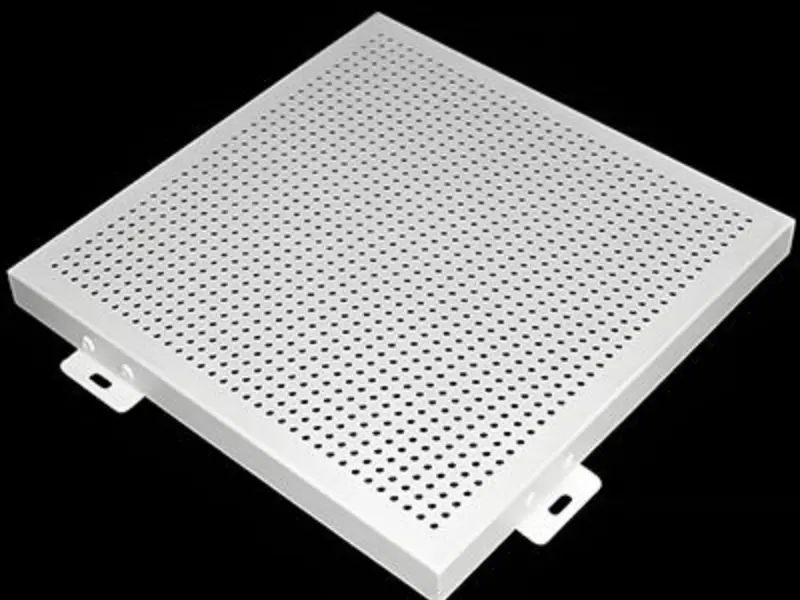
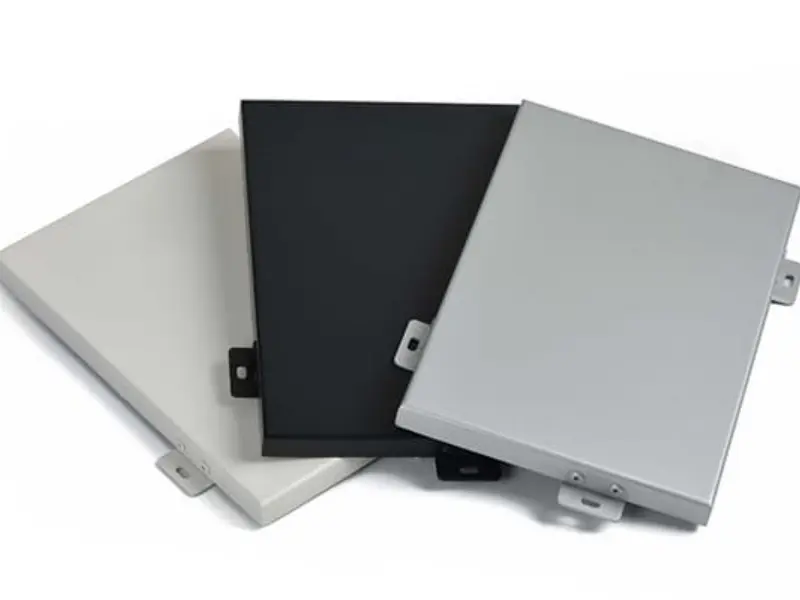
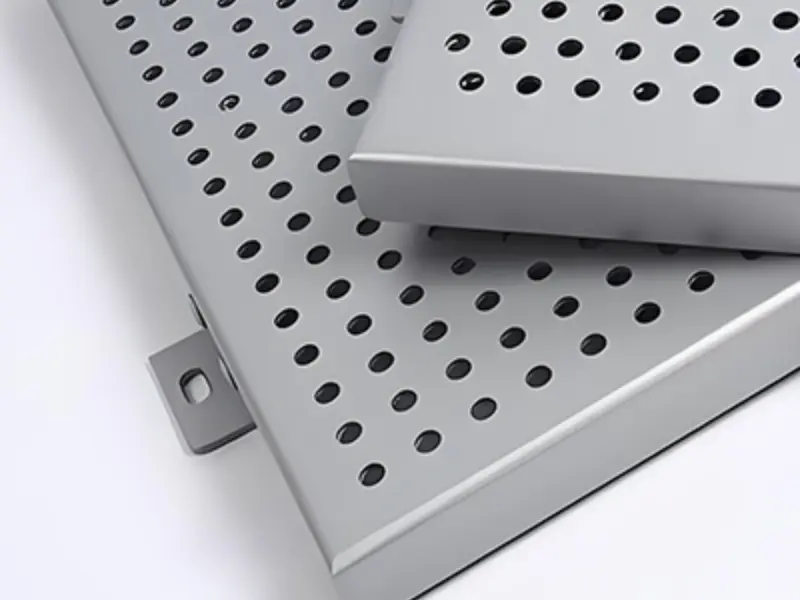
Main system types
Suppliers usually offer several system types. Each system fits different project needs. Aluminium Curtain Wall Supplier can offer more different types for customers.
- Stick systems
- Unitized systems
- Semi-unitized systems
- Point-supported glass (structural glazing)
- Double-skin curtain walls
Stick system (modular extrusions)
Stick system features site-assembled mullions and transoms.
It is flexible for medium to large façades.
| Item | Typical range |
|---|---|
| Module width | 600–2400 mm |
| Glazing thickness | 6–32 mm |
| Mullion depth | 50–200 mm |
| Best for | Medium-rise buildings |
Unitized system (factory-made units)
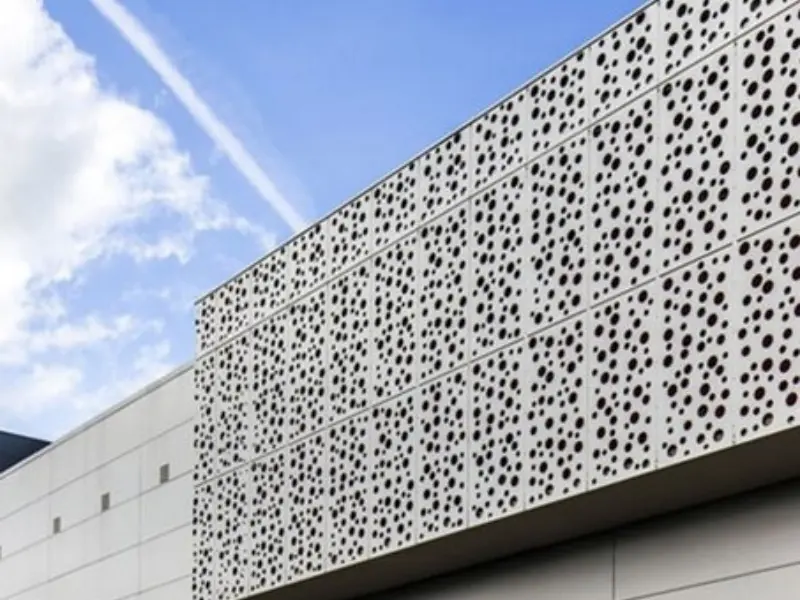
Unitized system uses factory-assembled panels.
Panels install quickly and give high quality control.
| Item | Typical range |
|---|---|
| Unit width | 1200–3600 mm |
| Unit height | 1500–3600 mm |
| Typical joint | Vertical and horizontal interlocks |
| Best for | High-rise, tight schedules |
Semi-unitized system
Semi-unitized mixes on-site assembly with factory units.
It reduces site time while keeping transport cost lower than full unitized panels.
Point-supported glass and spider fittings
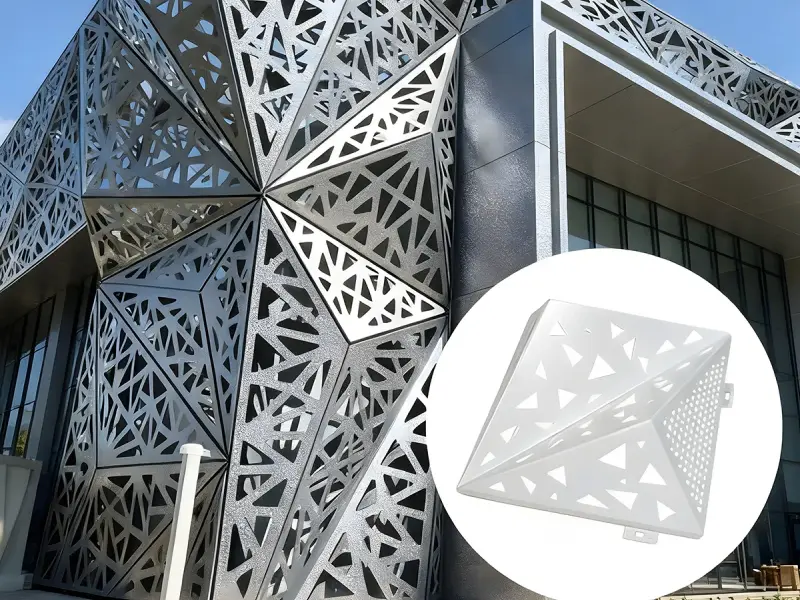
This system uses fittings and patch plates.
It gives a frameless glass look for atriums and entrances.
| Feature | Note |
|---|---|
| Support | Bolts, spiders, or tension cables |
| Visual effect | Minimal framing, glass-dominant |
| Use | Atriums, canopies, showrooms |
Double-skin curtain wall
Double-skin has two layers of façade with a ventilated cavity.
It improves thermal control and acoustic performance.
| Layer | Purpose |
|---|---|
| Outer skin | Weather barrier, solar control |
| Cavity | Ventilation, shading control |
| Inner skin | Thermal separation, air-tightness |
Typical product families and types
A supplier lists product families. Each family contains variants for different jobs.
- Standard glazed curtain wall (visible mullion)
- Structural glazing (hidden mullion)
- Unitized panel with insulated spandrel
- Slim-profile curtain wall for slender appearance
- Fire-rated curtain wall for compartmentation
- Blast-resistant and security curtain walls
Small product table
| Product family | Use case | Glazing / panel |
|---|---|---|
| Standard glazed | Office towers | Vision glass + spandrel panel |
| Structural glazing | Luxury retail | Flush glass face |
| Insulated unit | Cold rooms, labs | Double-glazed plus insulated spandrel |
| Slim profile | Aesthetics-first façades | Narrow mullions |
| Fire-rated | Fire-sensitive areas | Fire-resistant glass and framing |
Alloys and material states
Aluminium alloys and tempers influence strength and formability. Suppliers choose alloys for extrusion, fabrication, and finish.
| Alloy | Common state | Feature |
|---|---|---|
| 6063 | T5 / T6 | Standard architectural extrusion. Good surface finish. |
| 6061 | T6 | Higher strength. Good for structural members. |
| 6005 | T5/T6 | Good for heavy-duty extrusions. |
| 5052 | H32 | Good corrosion resistance for coastal use. |
| 7075 | T6 | High strength, rarely used for façade due to cost |
Notes on temper and state:
- T5: cooled then artificially aged. Good for consistent profile strength.
- T6: solution heat treated and aged. Higher strength for structural needs.
- H1x or H2x: strain-hardened tempers for some sheet applications.
Surface finishes and coatings
Finish choice affects appearance and durability. Suppliers offer several options.
| Finish | Feature | Typical use |
|---|---|---|
| Anodized | Natural or colored, good corrosion resistance | Modern facades, coastal sites |
| PVDF / Kynar coil coat | High UV stability, wide color palette | Commercial façades, long warranty |
| Powder coat | Thick finish, many colors | Interior and exterior, textured options |
| Mill finish | Uncoated, economical | Hidden areas, internal framing |
| Fluoropolymer (PVDF) | 2-coat or 3-coat systems | Premium durability and gloss retention |
Additional options:
- Stucco embossing for hide scratches.
- Dual-color coating for coping and interior reveal.
- Anti-fingerprint and low-E coatings for glass.
Thermal break and insulation
Thermal breaks reduce heat and cold transfer through frames. Suppliers use polyamide and other materials.
| Component | Typical material |
|---|---|
| Thermal break | Glass-filled polyamide (PA66) |
| Gasket material | EPDM rubber |
| Insulated spandrel | Mineral wool or PIR board |
| Glazing options | Double-glazed, triple-glazed, low-E coatings |
Typical thermal values (approximate):
- Double-glazed unit U-value: 1.1–2.8 W/m²K (depends on glass and spacer)
- Curtain wall frame thermal transmittance: 0.8–2.5 W/m²K (depends on thermal break and profile)
Note: Actual U-values change by design, glass type, and climate zone. Ask the supplier for calculated U-values.
Glazing and panel options
The curtain wall accepts many infills.
- Single glazing for lightweight displays.
- Double glazing for thermal control.
- Triple glazing for high-performance façades.
- Insulated metal panels for opaque spandrels.
- Composite panels for branding and finishes.
- Ceramic frit, laminated glass, and frit patterns for solar control.
Small glazing table
| Glass build-up | Typical thickness | Use |
|---|---|---|
| Single clear | 6–12 mm | Low-rise interior partitions |
| IGU 1 | 24–32 mm (6+12+6) | Standard office façade |
| IGU 2 | 36–44 mm | High insulation performance |
| Laminated | 6.38–12.76 mm | Safety and acoustic control |
Performance criteria and testing
Suppliers provide test data. Common tests follow international standards.
| Test | Purpose |
|---|---|
| Air infiltration | Measure air tightness under pressure |
| Water penetration | Check water tightness during wind-driven rain |
| Structural (wind) | Verify the façade resists design wind loads |
| Thermal performance | U-value, condensation risk |
| Acoustic insulation | Sound reduction performance |
| Seismic movement | Allow for building movement in joints |
Typical performance classes (examples):
- Air leakage class: Class A or better
- Water penetration: tested to 600 Pa or more for heavy rain zones
- Wind load: designed to regional code and site wind pressures
Ask the supplier for test certificates and lab data.
Installation and site services
A full-service aluminium curtain wall supplier offers many services.
- Design support and shop drawings
- Structural calculations and load reports
- Factory fabrication and QC checks
- Site delivery and off-loading coordination
- Qualified installation teams and supervision
- Leak testing and final commissioning
- Warranty and maintenance agreements
Installation checklist:
- Confirm structural anchors and embed plates.
- Allow for tolerances in opening size.
- Verify thermal and control joints.
- Protect glass and finish from damage during install.
Typical specifications and dimensions
Use this small table to compare typical profile sizes and system limits.
| Parameter | Typical range |
|---|---|
| Mullion depth | 50–400 mm |
| Transom depth | 30–150 mm |
| Module width | 600–2400 mm |
| Glazing thickness | 6–44 mm |
| Max unit weight | 300–800 kg per panel (depends on design) |
| Sealant joint width | 6–30 mm |
Applications and sectors
Curtain walls suit many building types. Use lists for clarity.
- Office towers and commercial buildings
- Apartment and residential high-rises
- Hospitals and education buildings
- Airports and transport hubs
- Retail malls and showrooms
- Hotels and hospitality venues
- Civic and cultural buildings
- Refurbishment of heritage façades
Applications table by sector
| Sector | Common focus |
|---|---|
| Commercial | Energy performance and brand image |
| Residential | Views, acoustic control, solar shading |
| Healthcare | Hygiene, daylight, thermal comfort |
| Retail | Visual merchandising and entry atriums |
Choosing a supplier — checklist
A short checklist helps choose the right supplier.
- Confirm experience with similar projects.
- Ask for local references and completed projects.
- Review test reports and certificates.
- Check warranties on finish and performance.
- Ensure in-house fabrication or trusted partner network.
- Verify installation crews are trained and insured.
- Compare lead times, logistics, and after-sales support.
Small pre-order table
| Item to request | Purpose |
|---|---|
| Shop drawings | Check dimensions and interfaces |
| Thermal calculations | Confirm energy targets |
| Test reports | Verify performance claims |
| Sample panels | Assess color and finish |
| Installation plan | Coordinate site works |
Maintenance and warranty
Simple maintenance keeps façades in good condition.
- Regularly clean glass and frames.
- Check sealants and gaskets annually.
- Inspect anchors and movement joints.
- Repair chips or scratches early to prevent corrosion.
- Keep spare gaskets and hardware for future repairs.
Typical warranty items:
- Structural warranty: 5–10 years (varies)
- Finish warranty (PVDF): 10–20 years depending on product
- Seal and workmanship warranty: usually 1–5 years
Sustainability and recycling
Aluminium is highly recyclable. Suppliers can help reduce carbon impact.
- Use recycled aluminium or low-carbon suppliers.
- Recycle scrap from fabrication.
- Choose high-performance glazing to reduce energy use.
- Consider modular unitized systems to lower site waste.
Small sustainability table
| Item | Benefit |
|---|---|
| Recycled aluminium | Lower embodied carbon |
| High-performance IGU | Lower heating/cooling loads |
| Long-life finish | Reduced replacement frequency |
| Modular units | Less on-site waste and transport |
What is an aluminium curtain wall?
A curtain wall is an outer building skin.
It is non-structural. The building frame carries the load.
Aluminium frames support glass, panels, or metal infills.
Curtain walls resist wind, water, and thermal gain.
A reliable aluminium curtain wall supplier provides design, fabrication, and installation.
FAQs
Q: What is the lead time for a unitized curtain wall?
A: Typical lead time is 8–16 weeks. It varies by complexity and finish.
Q: Can you match custom colours?
A: Yes. Most suppliers match RAL or custom samples. Request a sample panel.
Q: Is aluminium curtain wall suitable for coastal sites?
A: Yes. Use marine-grade alloys, anodize, or PVDF coatings and stainless fixings.
Q: Do you provide thermal break frames?
A: Yes. Most modern systems include polyamide thermal breaks.
Q: How do I get a quote?
A: Provide elevation drawings, opening sizes, glass specs, and preferred finish.