Modern architecture relies heavily on materials that are both beautiful and durable. Today, aluminum facade cladding is the preferred choice for architects worldwide. It offers a sleek look and protects buildings from harsh weather.
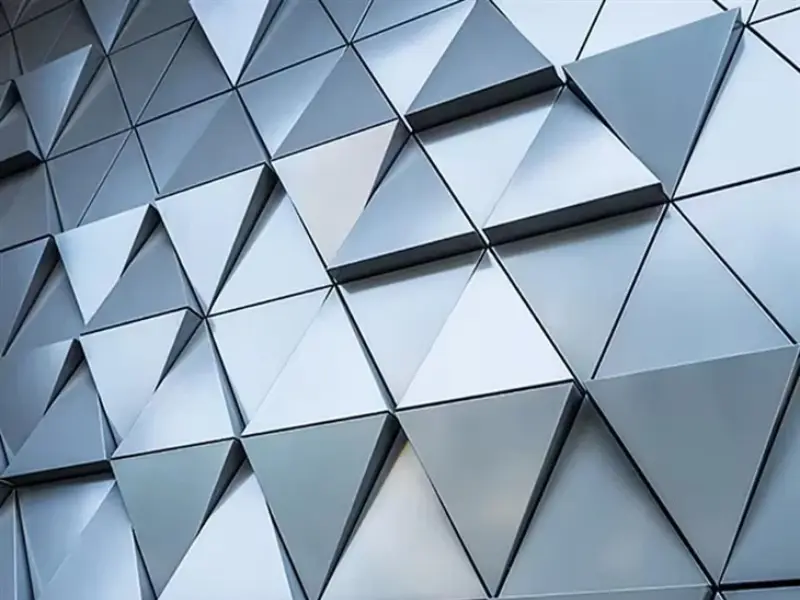
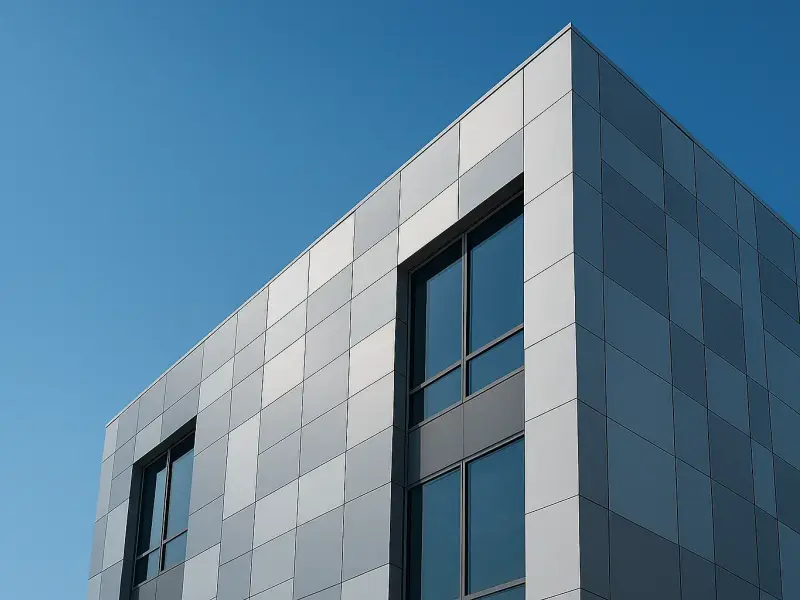
Types of Aluminium Facade Systems
There are many ways to use aluminum on a building. Each type serves a different purpose in aluminium facade design.
1. Aluminium Facade Panels (Solid and Composite)
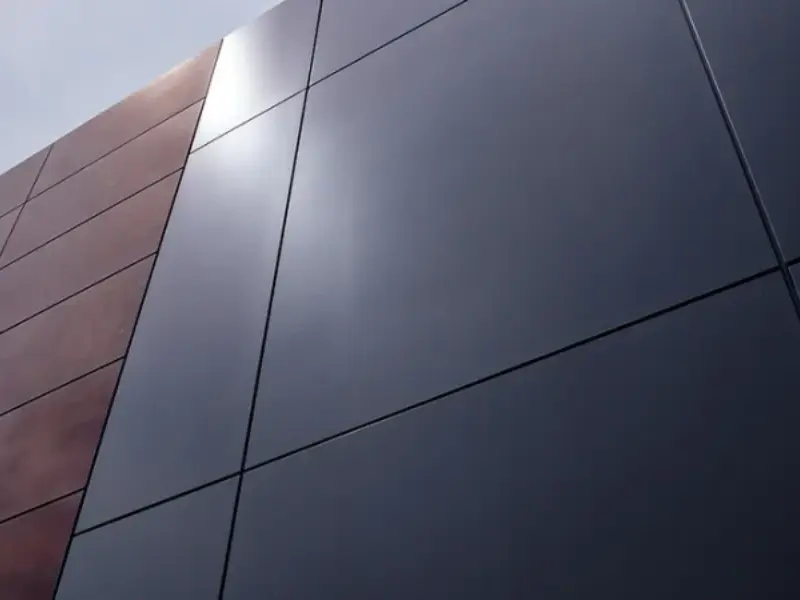
The aluminum facade cladding panel is the most common type. You can choose solid panels or Aluminum Composite Panels (ACP). Solid panels are made from a single layer of aluminum. They are very strong and have a high fire rating. ACP consists of two thin aluminum layers with a core material in the middle.
2. Aluminium Facade Louvers
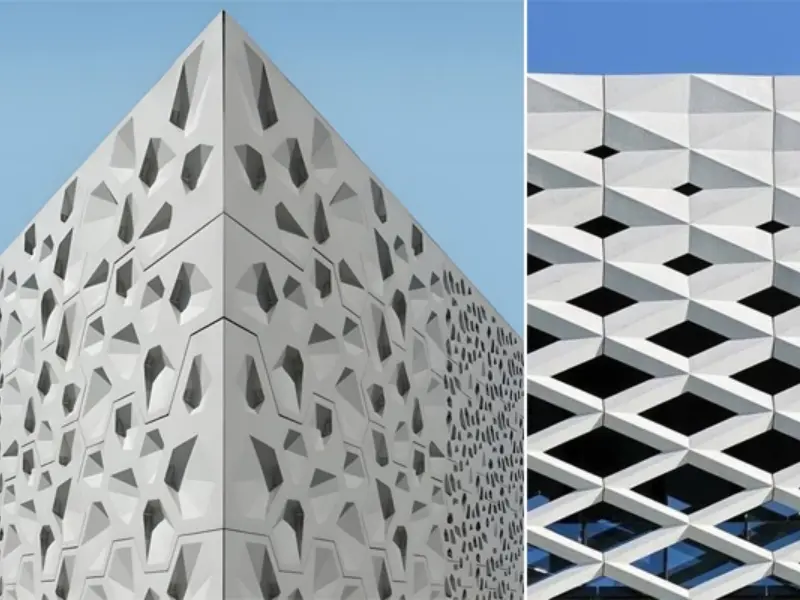
Aluminium facade louvers are used for sun shading. They are blades fixed at an angle. They allow air to flow but block direct sunlight. This helps reduce cooling costs in the summer.
3. Aluminum Tube for Facade Cladding
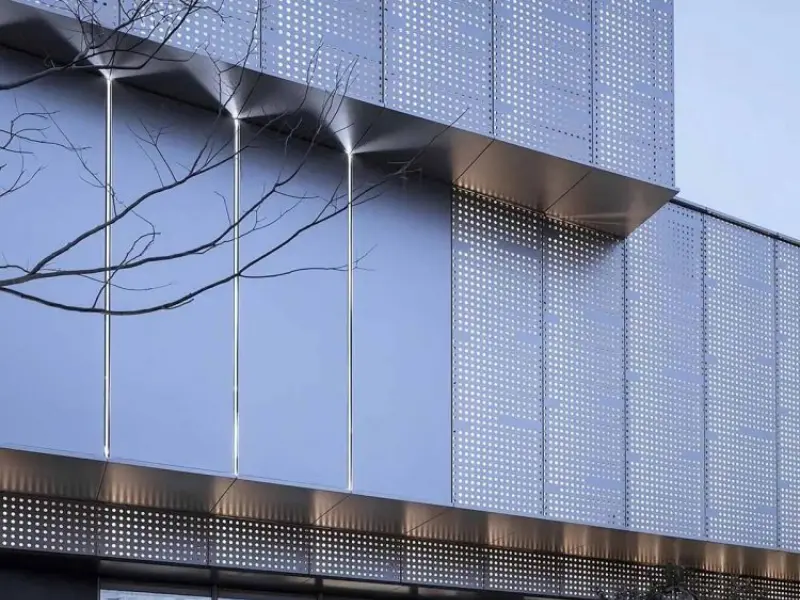
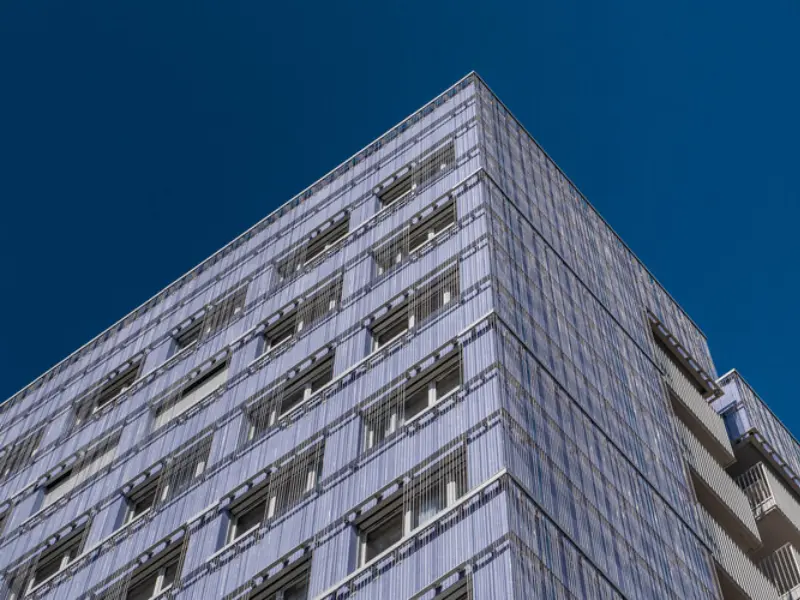
An aluminum tube for facade cladding is a hollow profile. Designers use these tubes to create vertical or horizontal lines on a building. They give the facade a 3D effect and are often used on parking garages or modern office blocks.
4. Perforated Aluminum Sheets
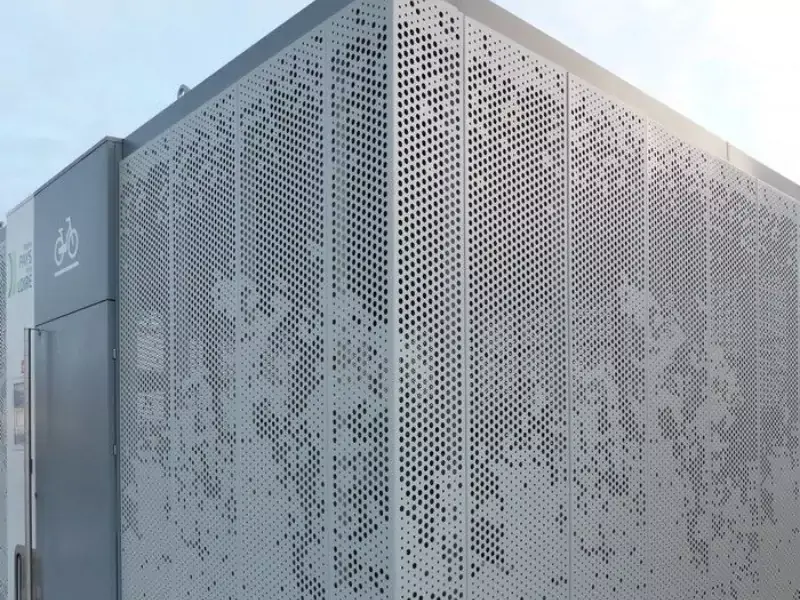
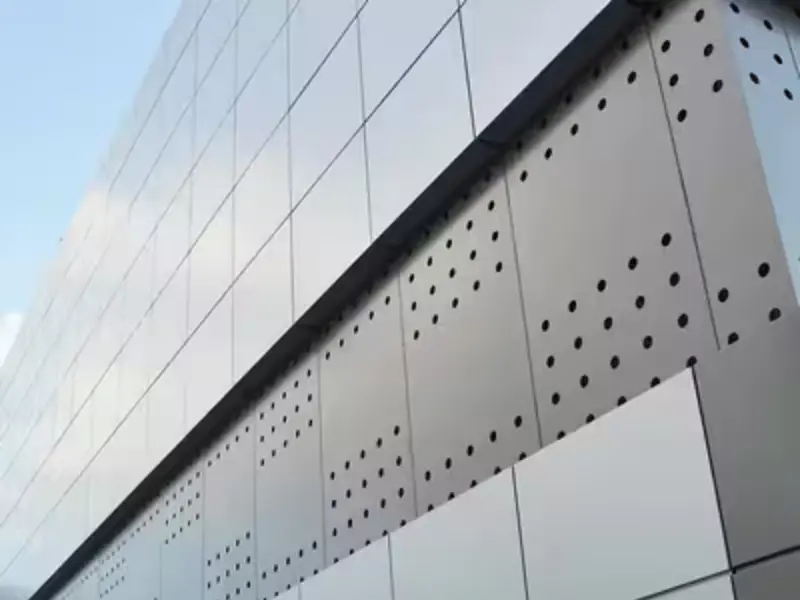
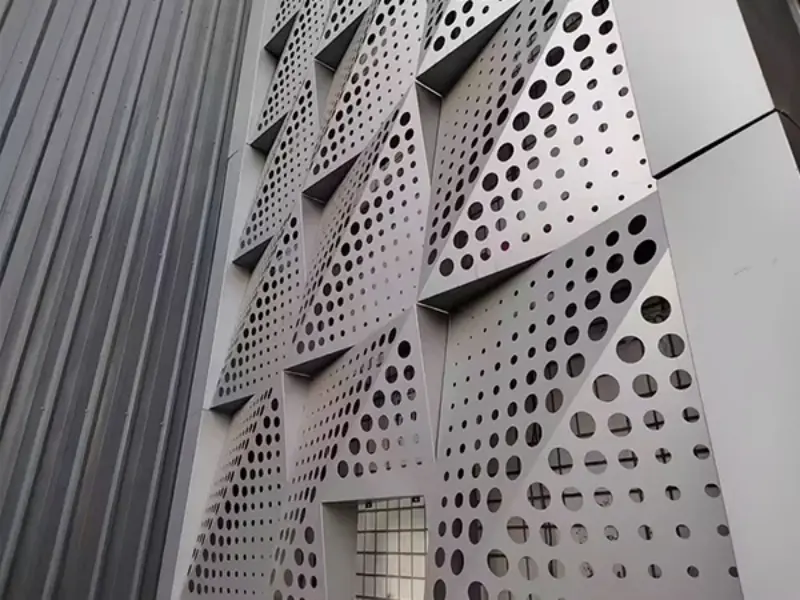
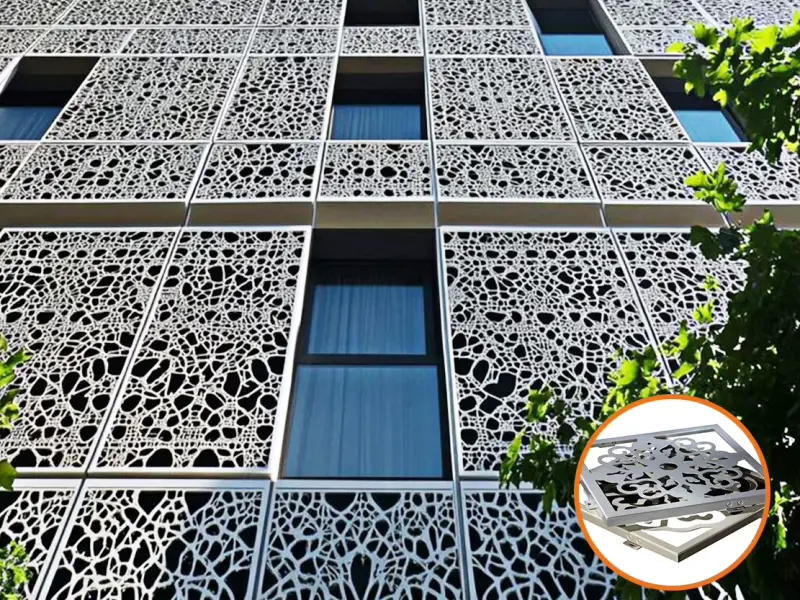
These are panels with holes punched into them. They have uses for decoration and to allow light through. They are perfect for creative aluminium facade design.
Technical Specifications: Alloys, Tempers, and Sizes
Choosing the right metal is vital. Not all aluminum is the same. The strength of your aluminium facade cladding depends on the alloy and state (temper).
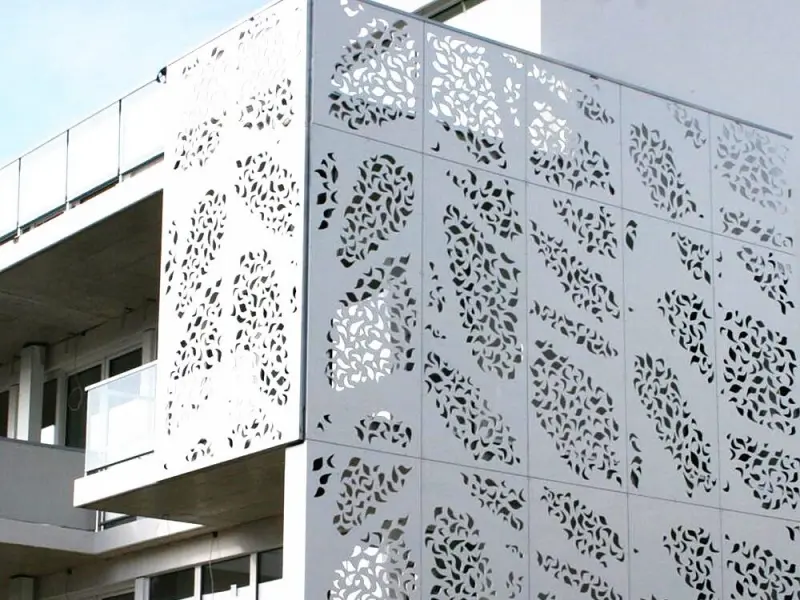
Common Alloys for Facades
| Alloy Series | Main Ingredient | Features | Best Use |
|---|---|---|---|
| Series 1100 | Pure Aluminum | Soft, easy to shape. | Simple trims and flashes. |
| Series 3003 | Manganese | Strong and rust-resistant. | Standard aluminium facade panels. |
| Series 5005 | Magnesium | Excellent for coastal areas. | High-end facade aluminum. |
| Series 6063 | Silicon/Magnesium | High structural strength. | Aluminum tube for facade cladding. |
Digitized Specifications
Different projects require different sizes.
| Specification | Standard Value | Premium Value |
|---|---|---|
| Thickness (Solid) | 2.0 mm | 3.0 mm |
| Thickness (ACP) | 3.0 mm | 4.0 mm |
| Width | 1220 mm | 1500 mm |
| Length | 2440 mm | 6000 mm |
| Weight (Approx) | 5.4 kg/m² | 8.1 kg/m² |
Aluminum Cladding Details: Installation and Joints
The quality of a building depends on the aluminum cladding details. If the installation is poor, the panels might leak or fall.
Aluminium Panel Facade Detail
A typical aluminium panel facade detail includes several layers:
- The Subframe: Usually made of galvanized steel or aluminum angles.
- Thermal Insulation: Placed against the building wall.
- The Air Gap: A space of 20 mm to 40 mm to allow air to circulate.
- The Panel: The final facade aluminium layer.
Aluminum Cladding Facade Detail: The Rainscreen
Most modern buildings use a “rainscreen” system. Instead, they allow some air and water to enter the gap. This water then drains away. This prevents pressure buildup and keeps the inner wall dry.
How Long Does Aluminium Cladding Last?
One of the most frequent questions is: how long does aluminium cladding last? Aluminum is a very durable metal. Unlike steel, it does not rust.
- Standard Environment: It can last over 40 years.
- Coastal Environment: With a PVDF coating, it can last over 30 years.
- Maintenance: It only needs occasional washing with water.
The coating (paint) is what protects the metal. High-quality PVDF paint is guaranteed for 15 to 20 years against fading.
Applications of Aluminium Facade Cladding
Where can you see these products? They have uses in almost every sector of construction.
- Commercial Offices: To create a “high-tech” and professional image.
- Residential Apartments: For balcony railings and feature walls.
- Airports and Stations: Large aluminium facade panels cover massive surfaces quickly.
- Educational Buildings: Schools use it because it is easy to clean and fire-safe.
- Retail Shops: To create bright, colorful storefronts.
- Parking Garages: Using aluminium facade louvers to provide ventilation.
Aluminium Cladding Panels Price Factors
The aluminium cladding panels price is not a fixed number. It changes based on several factors.
1. Material Thickness
A 3.0 mm panel uses 50% more metal than a 2.0 mm panel. Therefore, it is more expensive.
2. Surface Finish
- PE (Polyester): Cheaper, used for interiors or low-rise buildings.
- PVDF: More expensive, used for high-rise buildings and outdoor weather.
- Anodized: Premium finish that looks like real metal.
3. Complexity of Design
Standard flat panels are affordable. If you need curved shapes or a complex aluminium panel facade detail, the price will increase.
4. Raw Material Cost
The price of aluminum on the global stock market changes daily. This affects the final price of the facade aluminum.
Comparison: Aluminum vs. Other Cladding Materials
| Feature | Aluminum | Wood | Stone/Marble |
|---|---|---|---|
| Weight | Very Light | Medium | Very Heavy |
| Fire Safety | Excellent | Poor | Excellent |
| Recyclability | 100% | Medium | Low |
| Installation Speed | Fast | Slow | Very Slow |
| Maintenance | Minimal | High | Medium |
Why Choose Aluminum for Your Project?
Choosing aluminium facade systems is a smart move for any developer. The material is lightweight, which means the building foundation can be smaller. It is also environmentally friendly. Most facade aluminum is made from recycled metal.
Versatile Design
With aluminium facade design, you are not limited to grey. You can have wood grain, stone patterns, or even color-changing finishes. The aluminum tube for facade cladding adds a rhythmic texture that other materials cannot match.
Safety First
Solid aluminium facade panels are non-combustible. In an age where fire safety is a top priority, aluminum provides peace of mind. Always check the aluminum cladding details to ensure the core of your panel is fire-rated.
What is Facade Cladding and Why Does it Matter?
Before diving into materials, we must answer a basic question: what is facade cladding? Cladding is an extra layer of material attached to the outside of a building. It acts like a skin. It prevents water from reaching the structure and provides thermal insulation.
Difference Between Facade and Cladding
Many people get confused about the difference between facade and cladding.
- Facade: This is the “face” or the entire exterior of the building. It includes windows, doors, and the wall structure.
- Cladding: This is the specific material (like facade aluminum) applied to the exterior to provide protection.
Essentially, cladding is a part of the overall facade design.
Aluminum facade cladding Supplier for sale
Aluminum facade cladding is the gold standard for modern construction. It answers the need for beauty, durability, and safety. Whether you are looking for the functional benefits of aluminium facade louvers or the clean lines of aluminium facade panels, there is a solution for every building.
By understanding the difference between facade and cladding and focusing on the aluminum cladding facade detail, you can ensure a successful project. Although the aluminium cladding panels price may vary, the long-term savings in maintenance and energy make it the most cost-effective choice. Invest in quality aluminum today for a building that lasts for decades.