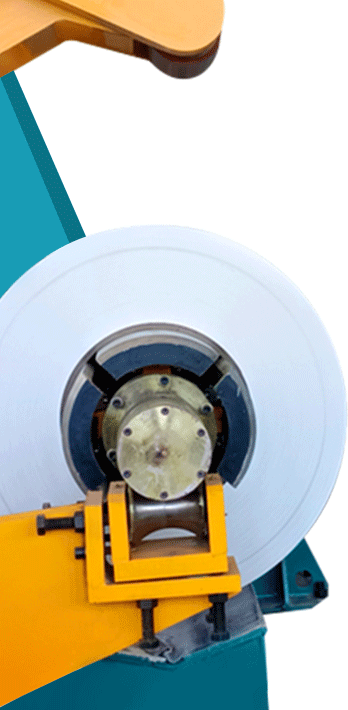
Modern buildings use aluminum cladding facade systems because they are lightweight, durable, and attractive. Today, architects prefer aluminium facade cladding for commercial buildings, airports, hotels, offices, shopping centers, and residential projects.
Compared with traditional materials, facade aluminum panels offer better corrosion resistance, modern appearance, and lower maintenance cost.
Difference Between Facade and Cladding
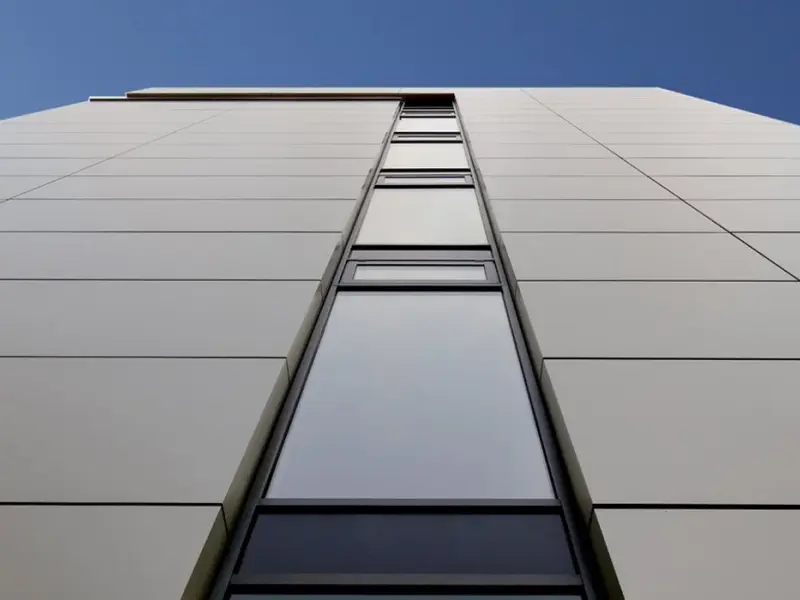
Many buyers ask about the difference between facade and cladding.
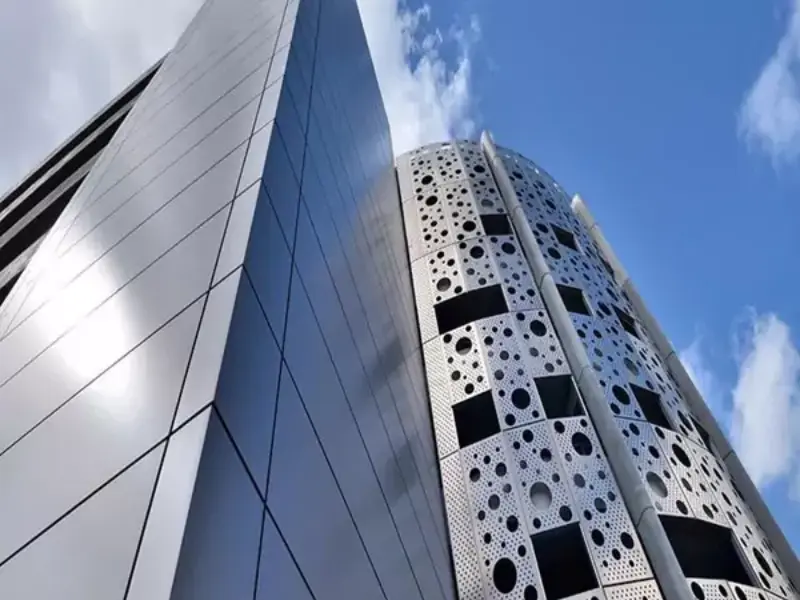
| Item | Meaning |
|---|---|
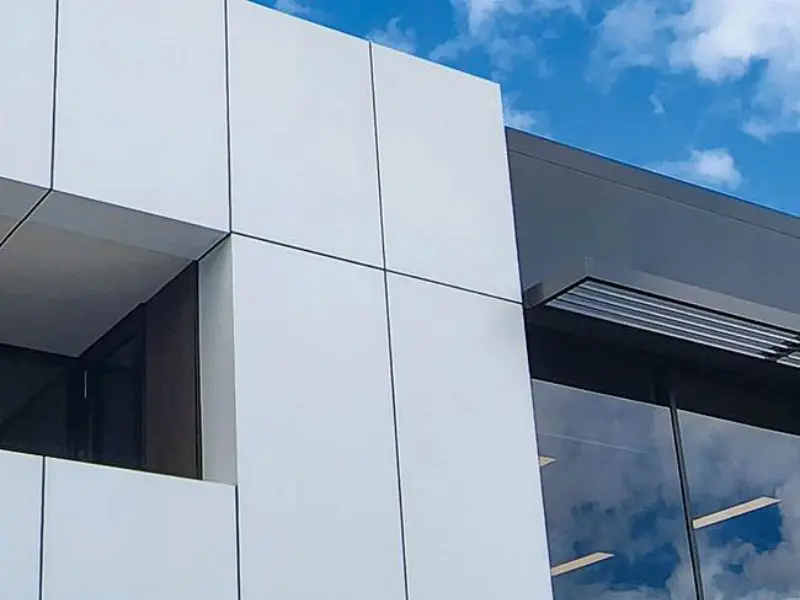
| Facade | The visible outer face of a building |
| Cladding | The protective material attached to the facade |
In simple words:
- The facade is the building exterior
- The cladding is the material covering it
Types of Aluminum Cladding Sheets
Solid Aluminum Cladding Sheet
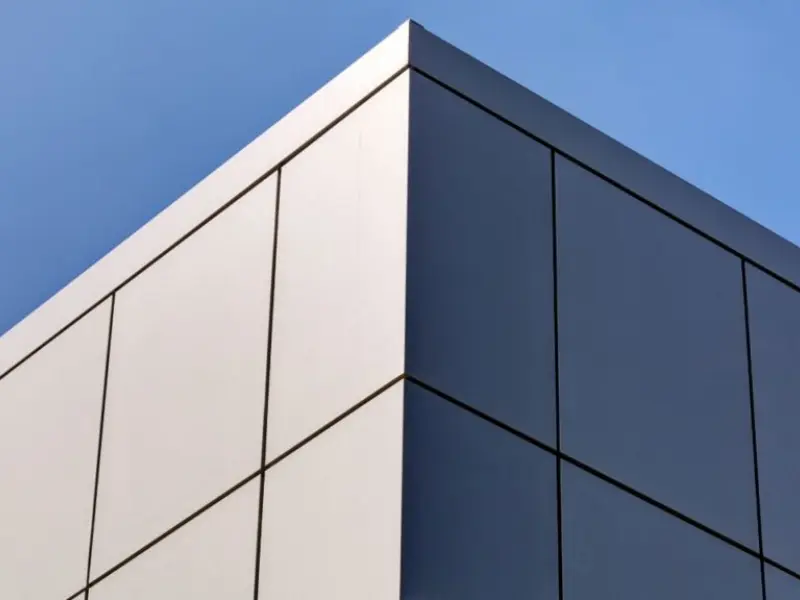
Solid aluminum sheets are widely used in building facades.
Features
- Strong structure
- Flat surface
- Easy fabrication
- Good weather resistance
Common Thickness
| Thickness | Application |
|---|---|
| 1.5mm | Interior wall panels |
| 2.0mm | Commercial facade |
| 2.5mm | Exterior cladding |
| 3.0mm | High-rise buildings |
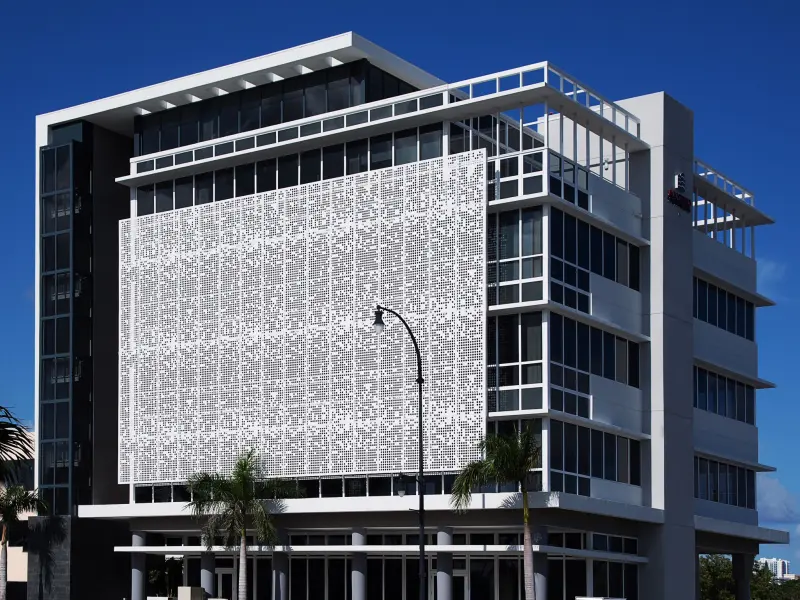
Perforated Aluminum Facade Panels
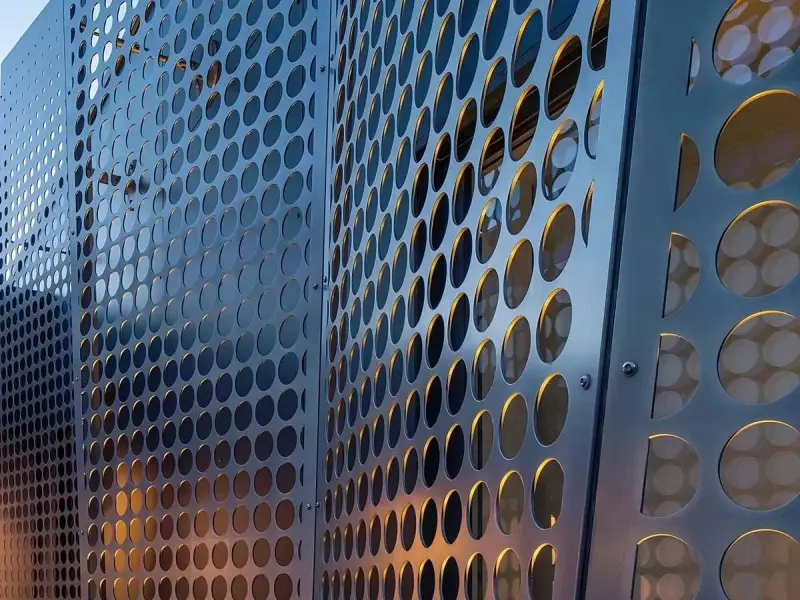
Perforated panels contain decorative holes.
Advantages
- Better ventilation
- Decorative appearance
- Sun shading
- Acoustic control
Popular Applications
- Parking buildings
- Shopping malls
- Metro stations
- Airport facades
Aluminum Composite Cladding Panel
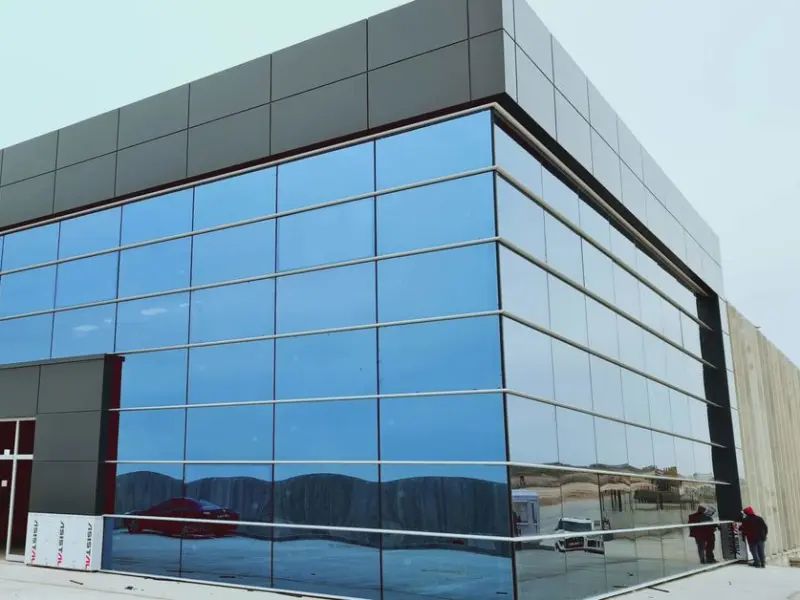
ACP panels combine aluminum skins with a core material.
Benefits
- Lightweight
- Cost-effective
- Smooth surface
- Easy installation
Textured Aluminum Cladding
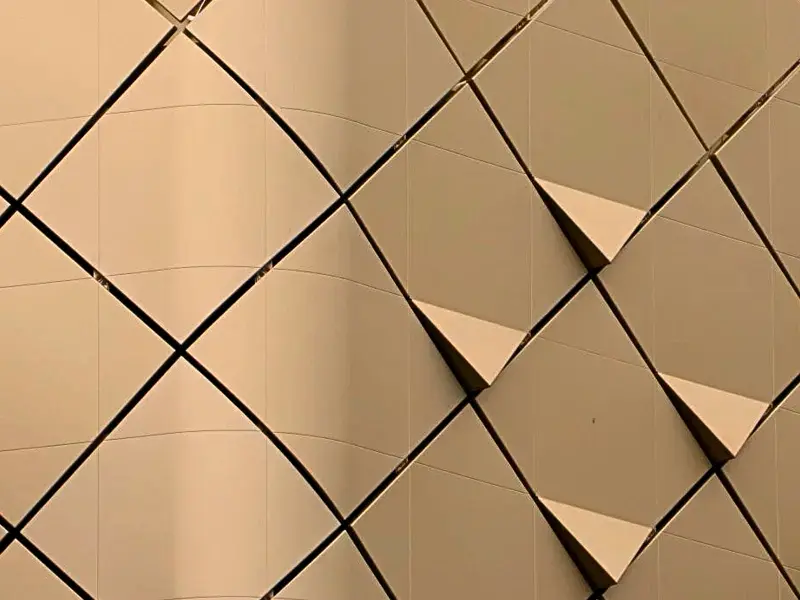
Many architects prefer aluminum cladding texture finishes.
Popular textures include:
- Wood grain
- Stone finish
- Brushed surface
- Matte coating
- Mirror finish
These textures improve architectural appearance.
Aluminum Cladding Details
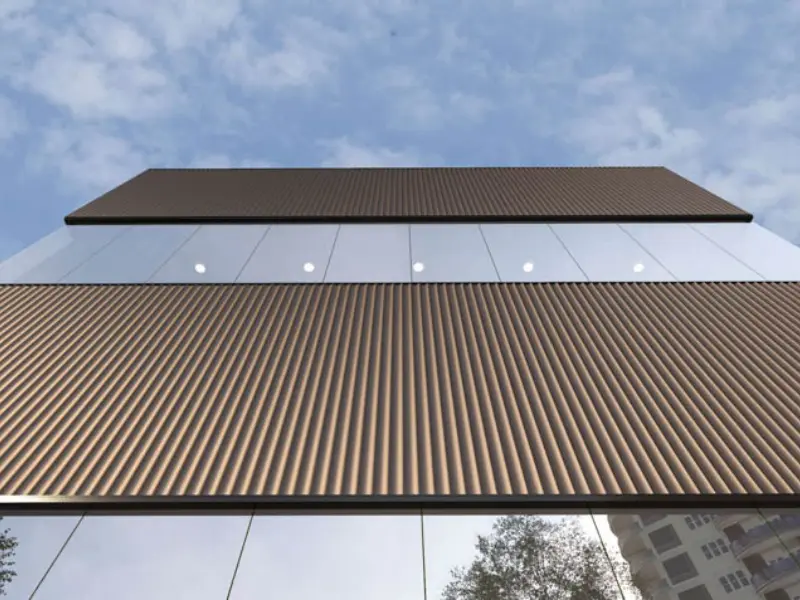
Common Aluminum Cladding Details
Open Joint System
Panels have visible gaps for drainage and movement.
Concealed Fixing System
Fasteners are hidden behind the panel.
Cassette Panel System
Folded aluminum panels create stronger structures.
Aluminium Panel Facade Detail
A typical facade system includes:
| Component | Function |
|---|---|
| Aluminum panel | Exterior surface |
| Bracket | Support structure |
| Fastener | Panel fixing |
| Insulation | Thermal control |
| Sealant | Waterproof protection |
Aluminum Facade Cladding Panel Specifications
Standard Specifications
| Item | Range |
|---|---|
| Alloy | 1100 / 3003 / 5005 / 5052 |
| Temper | H14 / H24 / H32 |
| Thickness | 1.0mm–4.0mm |
| Width | 1000mm–2000mm |
| Length | Custom |
| Surface | PVDF / PE / Anodized |
Common Alloy Types
3003 Aluminum Cladding Sheet
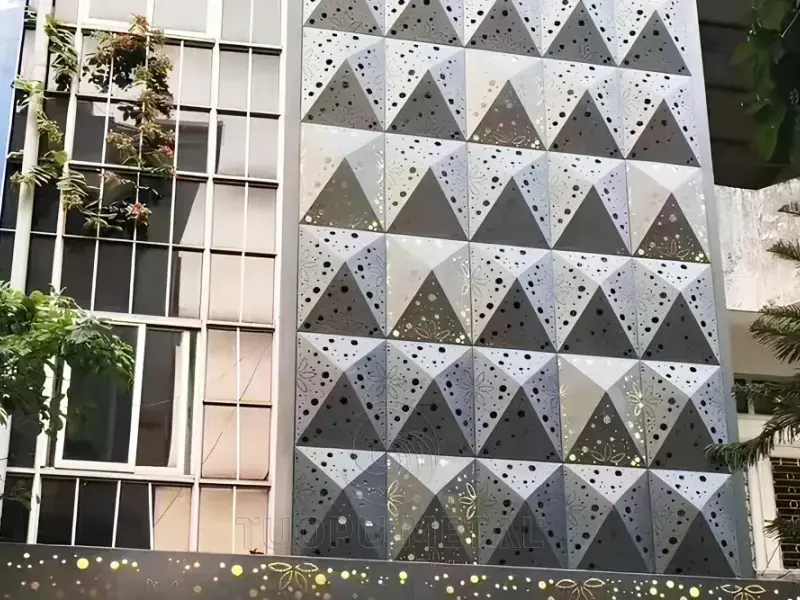
Features
- Good corrosion resistance
- Easy bending
- Economical price
Applications
- Wall cladding
- Interior panels
- Ceiling systems
5005 Aluminum Facade Sheet
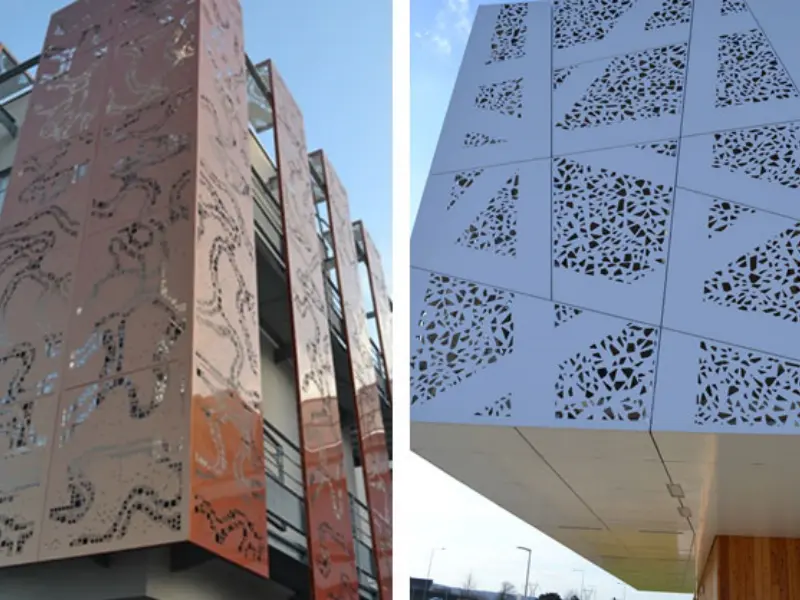
5005 alloy is popular for architectural projects.
Advantages
- Better anodizing quality
- Smooth appearance
- Strong weather resistance
5052 Aluminum Cladding Panel
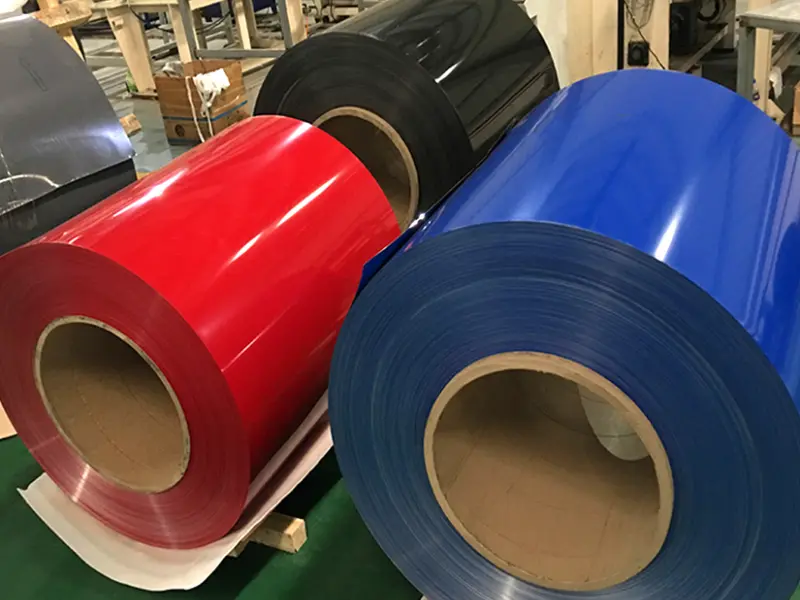
5052 offers higher strength.
Suitable for
- Coastal buildings
- Industrial projects
- High wind areas
Aluminum Cladding Texture Options
Brushed Aluminum Texture
Creates a modern metallic effect.
Wood Grain Texture
Looks like natural wood but requires less maintenance.
Stone Texture
Used in luxury architectural projects.
Matte Finish
Reduces reflection and creates elegant appearance.
Aluminium Facade Design Trends
Modern aluminium facade design focuses on:
- Sustainable materials
- Lightweight structures
- Energy saving
- Decorative perforation
- Curved facade systems
Architects now combine:
- Solid panels
- Perforated panels
- Tube systems
- Composite panels
for creative facade solutions.
Aluminum Tube for Facade Cladding
Aluminum tubes are also used in facade systems.
Benefits
- Decorative appearance
- Sun shading effect
- Lightweight structure
- Easy installation
Applications
- Building screens
- Exterior decoration
- Commercial facades
- Sunshade systems
| Product Type | Common Thickness (mm) | Best Use |
|---|---|---|
| Solid Sheet | 2.0,2.5,3.0 | High-rise buildings |
| Composite Panel | 3.0,4.0,6.0 | Signage, low-rise |
| Square Tube | 1.0 to 5.0 | Sun louvers, screens |
| Honeycomb Panel | 10.0 to 25.0 | Large flat surfaces |
Applications of Aluminum Cladding Facade
Commercial Buildings
Used in:
- Shopping malls
- Office towers
- Hotels
Residential Buildings
Modern apartments use aluminum facade systems for elegant design.
Airports and Stations
Large public projects need lightweight facade materials.
Industrial Buildings
Aluminum cladding protects factories and warehouses.
Educational Buildings
Schools and universities use aluminium cladding because it is durable and low maintenance.
Technical Specifications: Alloy and Temper
The strength of the aluminum cladding depends on the alloy used. We use different series for different environments.
Alloy Types
- 1000 Series: Pure aluminum. It is very soft and used for simple flashings.
- 3000 Series (3003): Mixed with Manganese. This is the standard for aluminum cladding sheet because it is strong and easy to bend.
- 5000 Series (5005, 5754): Mixed with Magnesium. This is best for aluminium cladding Hong Kong or coastal areas because it resists salt air.
Temper (States)
The “Temper” tells us how hard the metal is.
- H14: Half-hard. The most common state for facade panels.
- H24: Similar to H14 but slightly more flexible.
- T6: Used for aluminum tube for facade cladding to provide structural rigidity.
| Alloy | Temper | Corrosion Resistance | Strength |
|---|---|---|---|
| 1100 | H14 | High | Low |
| 3003 | H14 | Medium-High | Medium |
| 5005 | H34 | Very High | Medium-High |
| 6063 | T6 | High | High |
Aluminium Facade Design and Textures
Modern aluminium facade design allows for incredible creativity. You are no longer limited to just plain silver.
Aluminum Cladding Texture
You can choose an aluminum cladding texture that mimics other materials:
- Wood Grain: Looks like real timber but does not rot.
- Stone/Marble: Provides a heavy look without the weight.
- Brushed: A sophisticated metallic look.
- Perforated: Holes are punched into the sheet to allow light and air through.
Decorative Styles
- Anodized Finish: A chemical process that makes the surface part of the metal. It cannot peel.
- PVDF Coating: High-end paint that lasts 20+ years without fading.
Aluminium Cladding Sheet Price Factors
Many customers search for:
Aluminium Cladding Sheet Price
Price depends on:
| Factor | Influence |
|---|---|
| Alloy type | 5000 series costs more |
| Thickness | Thicker panels cost more |
| Surface coating | PVDF is higher cost |
| Processing | Perforation increases price |
| Quantity | Bulk orders reduce cost |
Aluminum Cladding vs Other Materials
Aluminum vs Steel Cladding
| Item | Aluminum | Steel |
|---|---|---|
| Weight | Lightweight | Heavy |
| Corrosion Resistance | Excellent | Medium |
| Fabrication | Easy | Harder |
| Appearance | Modern | Industrial |
Aluminum vs Stone Facade
| Item | Aluminum | Stone |
|---|---|---|
| Installation | Faster | Slower |
| Building Load | Lower | Higher |
| Maintenance | Easy | More difficult |
Why Choose Aluminum Cladding?
Main Advantages
Lightweight Material
Aluminum weighs less than steel and stone. It reduces building load and installation cost.
Corrosion Resistance
Aluminum naturally resists corrosion. It performs well in coastal and humid environments.
Modern Appearance
Architects like aluminium facade design because aluminum creates smooth and clean surfaces.
Easy Fabrication
Aluminum sheets can be:
- Bent
- Cut
- Folded
- Perforated
- CNC processed
Long Service Life
Many customers ask:
How Long Does Aluminium Cladding Last?
High-quality aluminium cladding can last:
| Environment | Service Life |
|---|---|
| Normal climate | 20–30 years |
| PVDF coated systems | 30+ years |
| Coastal environment | 15–25 years |
Proper coating and installation improve lifespan.
Why Choose WORTHWILL ALUMINUM?
WORTHWILL ALUMINUM supplies:
- Aluminum cladding sheets
- Perforated aluminum panels
- Facade aluminum systems
- Decorative aluminum panels
- PVDF coated aluminum sheets
Available Services
- Custom sizes
- CNC cutting
- Perforation processing
- Surface coating
- OEM production
Aluminum Cladding Details: Installation
Understanding aluminum cladding details is vital for architects. A good design must handle water drainage and wind loads.
1. The Substructure
The aluminium panel facade detail usually starts with a frame. This frame is made of galvanized steel or aluminum angles. It creates a “rainscreen” system.
2. Thermal Expansion
Aluminum expands when it gets hot. The aluminum cladding facade detail must include joints. These joints allow the panels to move slightly without buckling.
3. Fixing Methods
- Visible Fixing: Using rivets or screws. Fast and cheap.
- Concealed Fixing: The panels hook together. No screws are visible from the outside. This is better for a premium facade aluminum look.
Comparison: Aluminum vs. Other Cladding
| Feature | Aluminum Cladding | Fiber Cement | Natural Stone |
|---|---|---|---|
| Weight | Very Light | Medium | Very Heavy |
| Installation Speed | Fast | Medium | Slow |
| Maintenance | Low | Medium | High |
| Fire Rating | Excellent (Solid) | Good | Excellent |
| Cost | Mid-range | Low | High |
Applications of Aluminium Facade Cladding
Where can you use aluminium facade cladding? Almost anywhere!
- Commercial Offices: Provides a professional, “high-tech” look.
- Residential Apartments: Used for balconies and feature walls.
- Public Buildings: Schools and hospitals use it for durability.
- Industrial Warehouses: Large aluminum cladding sheets cover big areas quickly.
- Transportation: Airports and train stations often use curved aluminium facade design.
Aluminium Cladding Sheet Price Factors
When looking at the aluminium cladding sheet price, several factors change the cost:
- Thickness: A 3.0 mm sheet costs more than a 2.0 mm sheet.
- Market Price: The global price of raw aluminum fluctuates daily.
- Coating: PVDF is more expensive than PE or powder coating.
- Quantity: Large projects usually get a lower price per square meter.
- Complexity: Custom shapes or aluminum tube for facade cladding cost more than flat sheets.
Global Trends: Aluminium Cladding Hong Kong
In dense cities like Hong Kong, aluminium cladding Hong Kong is the standard. Why?
- High-Rise Safety: It is lightweight, which reduces the load on skyscrapers.
- Humidity Resistance: It survives the tropical humidity and salty air of the harbor.
- Speed: It can be installed quickly in busy urban areas.
Maintenance and Cleaning
To keep your facade aluminium looking new, follow these simple steps:
- Regular Washing: Use water and a mild detergent.
- Avoid Harsh Chemicals: Do not use strong acids or abrasive pads.
- Inspection: Check the aluminum cladding details and joints once a year for debris.
Frequently Asked Questions
What Is Aluminium Cladding Used For?
It is used for:
- Building facades
- Ceiling systems
- Wall decoration
- Sunshade panels
- Commercial architecture
Is Aluminum Cladding Waterproof?
Yes. Proper installation creates good waterproof performance.
Does Aluminum Cladding Rust?
No. Aluminum naturally resists corrosion.
Which Alloy Is Best for Facade Cladding?
5005 and 5052 are popular for architectural projects.
What Is Aluminium Cladding?
Aluminium cladding is an exterior covering system made from aluminum sheets or panels. It is installed on the outer wall of buildings for protection and decoration.
The cladding system helps improve:
- Weather resistance
- Thermal performance
- Building appearance
- Fire performance
- Noise reduction
Many modern projects use aluminum cladding facade panels because they provide a clean and modern architectural style.
What Is Facade Cladding?
Facade cladding is the external layer installed on the outside of a building.
It works as:
| Function | Description |
|---|---|
| Protection | Protects walls from rain and sunlight |
| Decoration | Creates modern facade design |
| Insulation | Helps thermal efficiency |
| Durability | Extends building life |
| Sound Control | Reduces outside noise |
Aluminum cladding facades for Sale
Aluminum cladding facade systems are widely used in modern architecture because they combine beauty, durability, and lightweight performance.
Today, architects and builders choose:
- Aluminum cladding sheets
- Aluminium facade cladding panels
- Decorative textured aluminum
- Perforated facade systems
for commercial and residential buildings worldwide.
With different alloys, textures, coatings, and panel designs, aluminum facade cladding provides flexible solutions for modern construction projects.