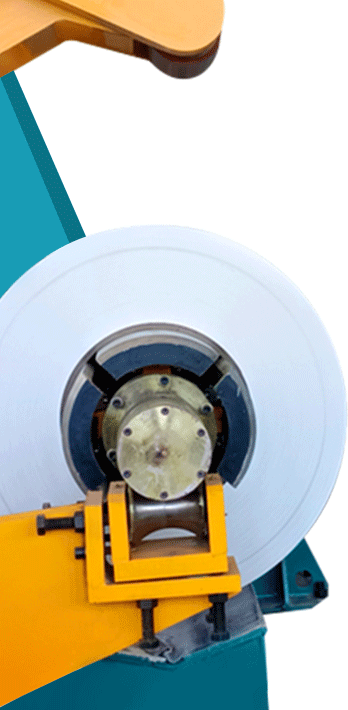
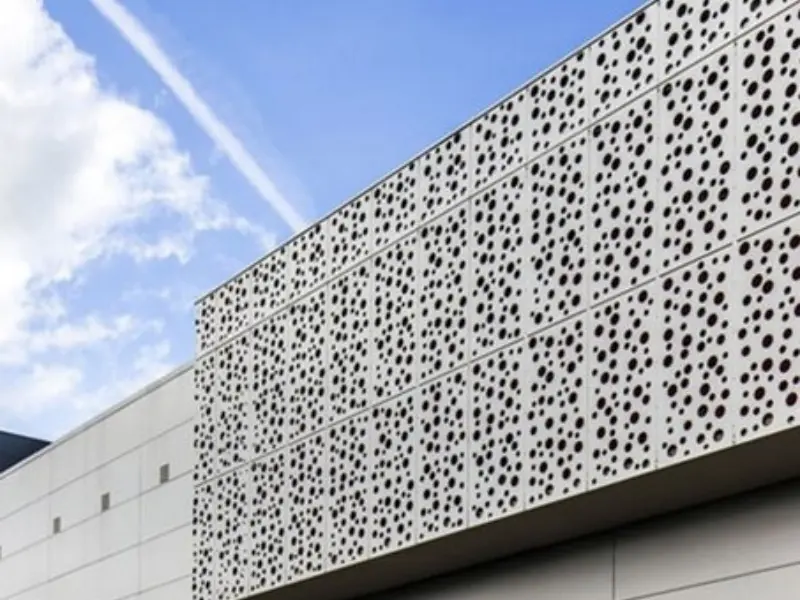
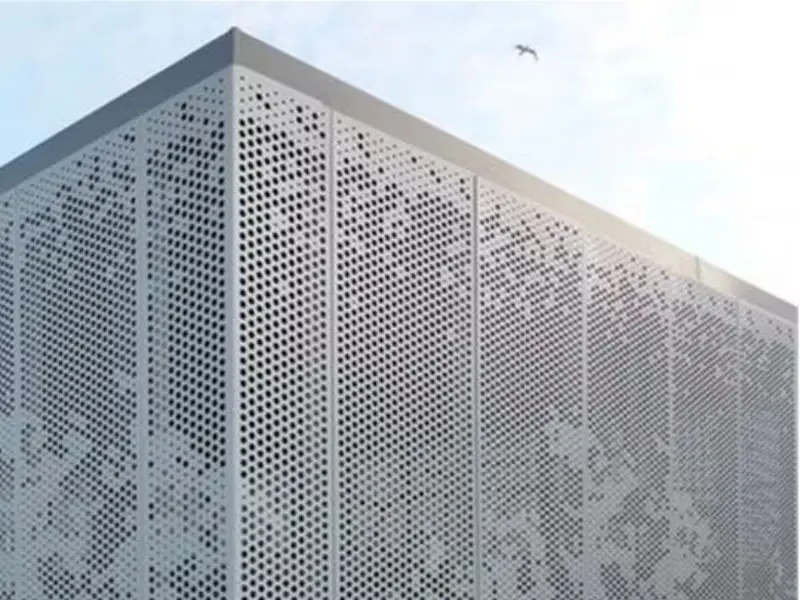
Perforated aluminium sheet Australia is a common building and industrial material. It combines light weight with strength. It lets air, light, and sound pass, and also gives a modern look.
Common alloys and temper states
Different alloys suit different needs. Alloys change strength, formability, and corrosion resistance.
| Alloy | Main feature | Typical use |
|---|---|---|
| 1050 / 1100 | Very soft, high formability | Decorative panels, bending |
| 3003 | Good strength, general use | Facades, signage |
| 5052 | Higher strength, marine grade | Exterior, roofing, cladding |
| 6061 | Structural, heat-treatable | Frames, structural panels |
Temper and state:
- O (soft annealed): easy to form.
- H14 / H24: strain hardened, medium strength.
- T6 (for 6061): heat treated for high strength.
Choose alloy by application. For outdoor use pick 5052 or anodized 3003. For structural frames pick 6061.
Hole patterns and shapes
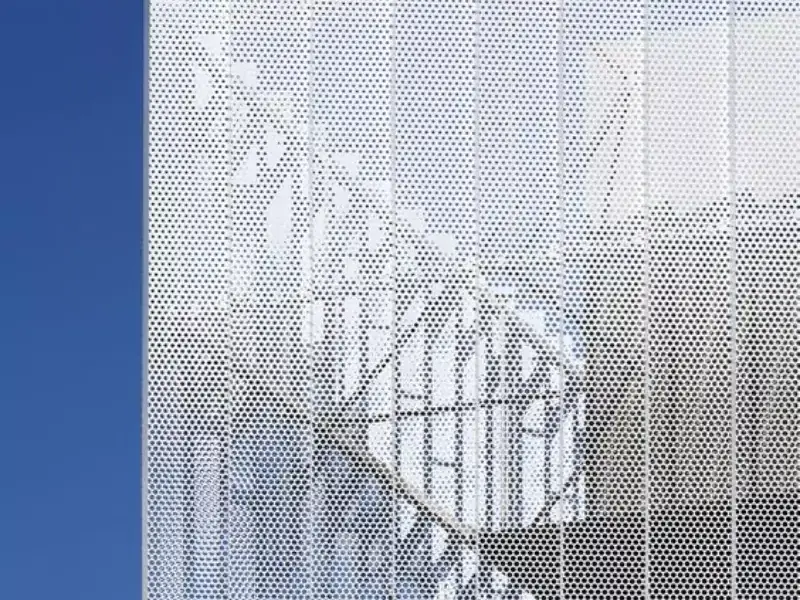
Hole shape affects look and function. Suppliers in Australia offer many patterns.
| Pattern | Description | Typical use |
|---|---|---|
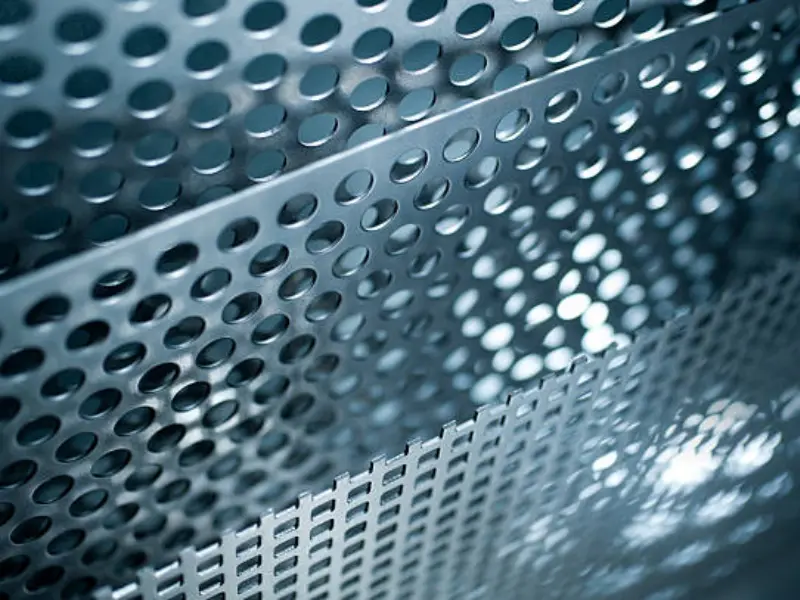
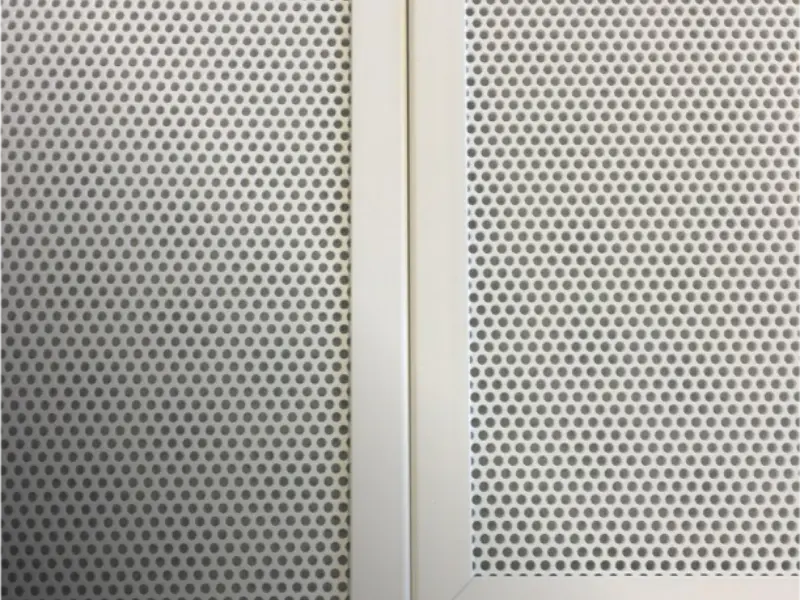
| Round | Most common | Filters, screens, acoustics |
| Square | Modern look, good open area | Facades, sunshade |
| Slotted | Long slots for airflow | HVAC, drainage |
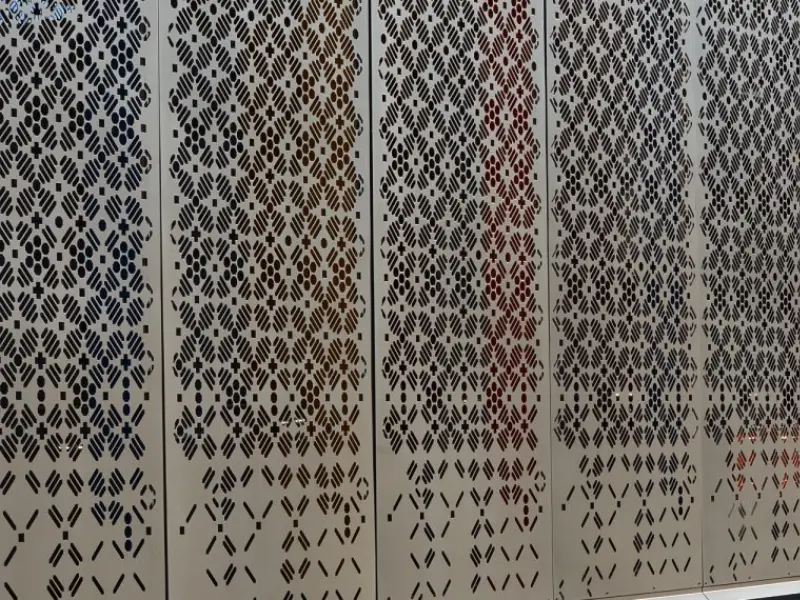
| Perforated diamonds | Decorative, strong | Facades, balustrades |
| Micro-perforation | Very small holes <1 mm | Speaker grills, acoustic panels |
Hole diameter range:
- Micro: 0.3 mm – 1.0 mm
- Small: 1.0 mm – 3.0 mm
- Medium: 3.0 mm – 10.0 mm
- Large: 10.0 mm – 50.0 mm
Pitch and open area:
- Pitch = hole center spacing.
- Open area = percentage of hole area to total sheet area.
- Common open area: 10% – 60%.
Small table — example numeric specs
| Hole dia (mm) | Pitch (mm) | Open area (%) |
|---|---|---|
| 1.0 | 2.5 | 12 |
| 3.0 | 6.5 | 20 |
| 6.0 | 12.0 | 28 |
| 12.0 | 24.0 | 33 |
Thickness, sheet size and formats
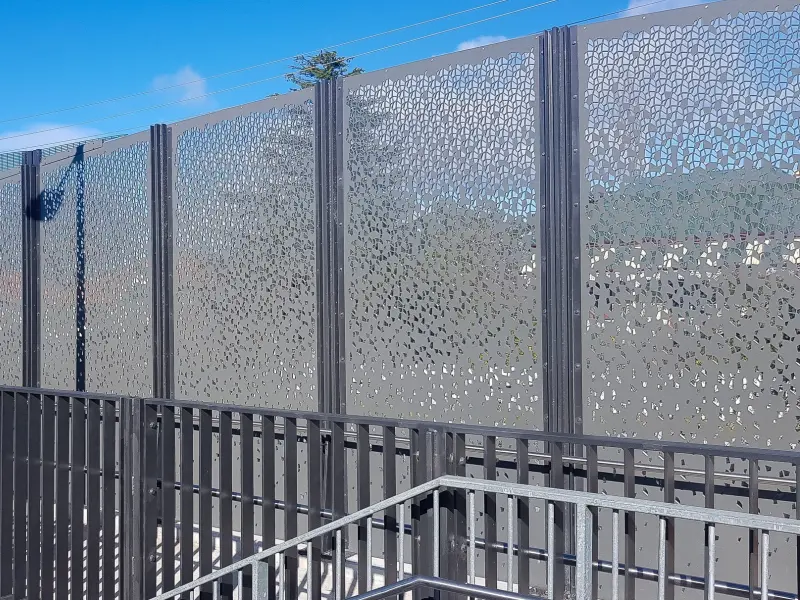
Perforated aluminium sheets come in many thicknesses and supply forms.
| Format | Typical thickness | Common sizes |
|---|---|---|
| Coil | 0.3 mm – 3.0 mm | 1000 mm – 1500 mm widths |
| Flat sheet | 0.5 mm – 6.0 mm | 1000×2000, 1250×2500 mm |
| Panels | 1.0 mm – 6.0 mm | Custom cut to size |
| Custom blanks | Up to 12 mm | Any size on request |
Note: Thinner sheets are easy to form. Thicker sheets suit structural use.
Perforation methods
Different cutting methods give different tolerances and edge quality.
- Mechanical punching: fast, low cost for standard patterns.
- CNC punching: flexible, good for custom layouts.
- Laser cutting: high precision, good for small runs and complex shapes.
- Waterjet cutting: no heat affected zone, cuts thicker plates.
- Drilling: slow, used for small batch or large holes.
Table — method comparison
| Method | Speed | Precision | Best for |
|---|---|---|---|
| Mechanical punch | High | Medium | High-volume standard patterns |
| CNC punch | Medium | Medium-high | Custom patterns, moderate runs |
| Laser | Low-medium | High | Complex shapes, prototypes |
| Waterjet | Low | High | Thick plates, no thermal effects |
Finishes and surface treatments
Finishes protect the sheet and change the look.
| Finish | Feature | Typical use |
|---|---|---|
| Mill finish | Natural aluminium look | Cost-sensitive projects |
| Anodized | Corrosion resistance, color options | Exterior facades, signage |
| Powder coat | Wide color range, durable | Decorative panels |
| PVDF coat | Highly durable, UV resistant | Coastal cladding |
| Brushed / polished | Decorative shine | Interiors, furniture |
Anodizing detail:
- Clear anodize keeps metal look.
- Color anodize adds long-lasting color.
- Anodize thickness often 10–25 µm for building use.
Powder coating note:
- Good adhesion on pretreated aluminium.
- Choose marine-grade powder for coastal environments.
Typical applications in Australia
Perforated aluminium sheet Australia is used widely. Short bullet lists improve reading.
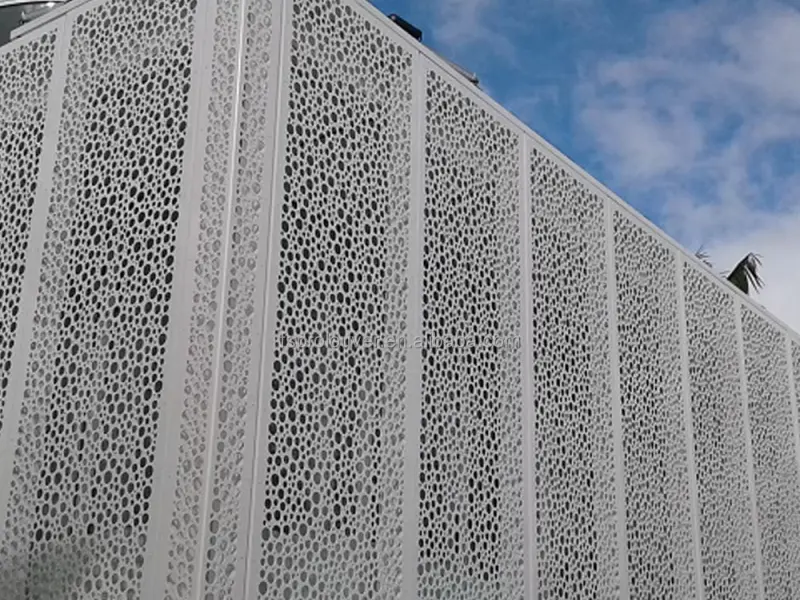
- Architectural facades and screening
- Sunshades and brise-soleil
- Acoustic panels and ceilings
- Balustrades and privacy screens
- Security and insect screens
- Ventilation grilles and HVAC panels
- Filtration, sieves and strainers
- Furniture and display fixtures
- Lighting diffusers and speaker grilles
- Signage and decorative cladding
Applications table by industry
| Industry | Use case |
|---|---|
| Construction | Facades, sun control, screens |
| Hospitality | Decorative panels, furniture |
| Manufacturing | Filters, guards, machine panels |
| Food & Beverage | Hygienic screens, lightweight trays |
| Retail | Display stands, signage |
Design and performance considerations
Good design makes perforated panels perform well.
- Choose open area for required airflow or light.
- Match hole size to structural load needs.
- Use reinforcement for large unsupported spans.
- Consider acoustic needs: combine with insulation for sound control.
- Plan for thermal expansion in exterior facades.
Small design table
| Need | Design tip |
|---|---|
| High airflow | Use larger holes or more open area |
| High privacy | Use staggered pattern or small holes |
| Acoustic control | Add backing absorption layer |
| Load bearing | Increase sheet thickness or add ribs |
Fabrication and installation notes
Fabrication steps affect final quality.
- Cut sheets to size before perforation for some methods.
- Edge treatments: deburr, hem, or fold for safety.
- Fixing methods: rivets, bolts, clamps, or concealed fixings.
- Allow tolerance for bend and perforation pattern.
- Pre-drill mounting holes to avoid cracking.
Installation checklist:
- Verify panel orientation and pattern alignment.
- Use corrosion-resistant fixings in coastal areas.
- Leave gap for expansion at edge joints.
- Protect surface during transport and install.
Sustainability and recycling
Aluminium is highly recyclable. Perforated sheets have extra surface area but remain recyclable.
- Scrap aluminium recycling recovers high value.
- Choose recycled aluminium or low-carbon suppliers where possible.
- Powder coat and anodize are durable and reduce need for replacement.
- Check local recycling rules for mixed-material panels.
Small table — environmental notes
| Item | Note |
|---|---|
| Recyclability | High for aluminium |
| Energy | Primary aluminium has high energy; recycled aluminium needs less |
| End of life | Panels can be re-melted and reused |
Supplier options and formats in Australia
Suppliers offer stock and custom options.
- Stock panels in common sizes and patterns.
- Custom perforation to drawings.
- Cut-to-size and folded panels.
- Pre-finished panels (anodized or coated).
- Local supply reduces lead time and freight cost.
Buying checklist:
- Ask for test samples.
- Check product data sheet for alloy and temper.
- Verify finish and warranty.
- Confirm lead times and minimum order quantity.
Cost factors and lead times
Price depends on many items.
- Alloy choice and sheet thickness.
- Hole pattern complexity and open area.
- Quantity and repeatability.
- Surface finish and coatings.
- Cutting, bending, and edge work.
Typical lead times:
- Stock patterns: 3–7 business days.
- Custom patterns or finishes: 2–6 weeks.
- Large architectural orders: 4–12 weeks.
Maintenance and cleaning
Simple cleaning keeps panels looking good.
- Rinse with water to remove dust.
- Use mild detergent for stains.
- Avoid abrasive cleaners on anodized or powder coat.
- Inspect fasteners and seals annually.
Cleaning table
| Finish | Cleaning tip |
|---|---|
| Mill finish | Rinse, mild soap |
| Anodized | Non-abrasive cleaner |
| Powder coat | Soft cloth, pH-neutral soap |
What is a perforated aluminium sheet?
A perforated aluminium sheet is a flat metal panel with regular holes. The holes are punched, laser cut, or drilled. The sheet keeps strength while reducing weight. Perforation pattern and open area control airflow and light. Many industries use it across Australia.
Common product types and examples
Here are typical product offerings to help buyers.
- Standard round perforated sheet 3 mm dia, 3.5 mm pitch, 20% open area.
- Micro-perforated speaker panel 0.8 mm dia, 1.8 mm pitch.
- Slotted vent panel 6×2 mm slots, 30% open area for HVAC.
- Architectural facade panel 4 mm dia, staggered, powder coated.
- Heavy-duty perforated plate 6 mm thick with large holes for filtration.
Small product table
| SKU type | Alloy | Thickness | Hole | Open area |
|---|---|---|---|---|
| ARCH-3003-4 | 3003 | 1.5 mm | Ø4 mm | 28% |
| HVAC-5052-6 | 5052 | 0.9 mm | 6×2 mm slots | 32% |
| SPEAK-MICRO | 1100 | 0.8 mm | Ø0.8 mm | 15% |
| FILT-HD | 5052 | 6.0 mm | Ø10 mm | 40% |
FAQs
Q: Can I order custom hole patterns?
A: Yes. Most Australian suppliers provide custom patterns and samples.
Q: What alloy is best for coastal projects?
A: 5052 or anodized 3003 with stainless fixings work well.
Q: Are perforated sheets load bearing?
A: They have reduced strength. Use thicker plate or reinforcement for load.
Q: Can I powder coat after perforation?
A: Yes. Powder coat is applied after perforation for even coverage.
Q: How to specify open area?
A: Provide hole diameter, pitch, and pattern type to the supplier.