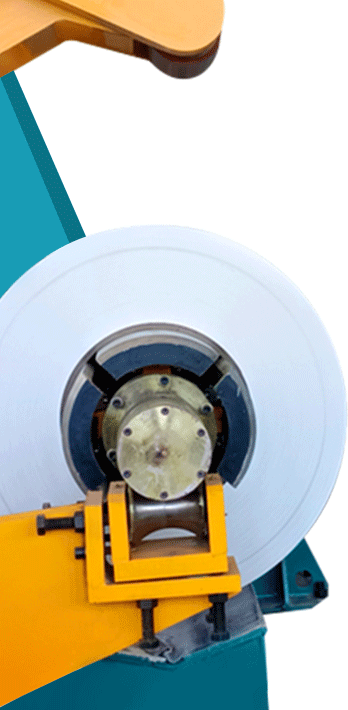
Brushed aluminium veneer is a premium finishing material known for its distinctive linear texture and modern aesthetic. Created by brushing the surface with abrasive materials, it achieves a satin-like finish that hides fingerprints and minor scratches. This versatile material is widely used in architectural, interior design, and product applications due to its durability, sleek appearance, and ease of maintenance.
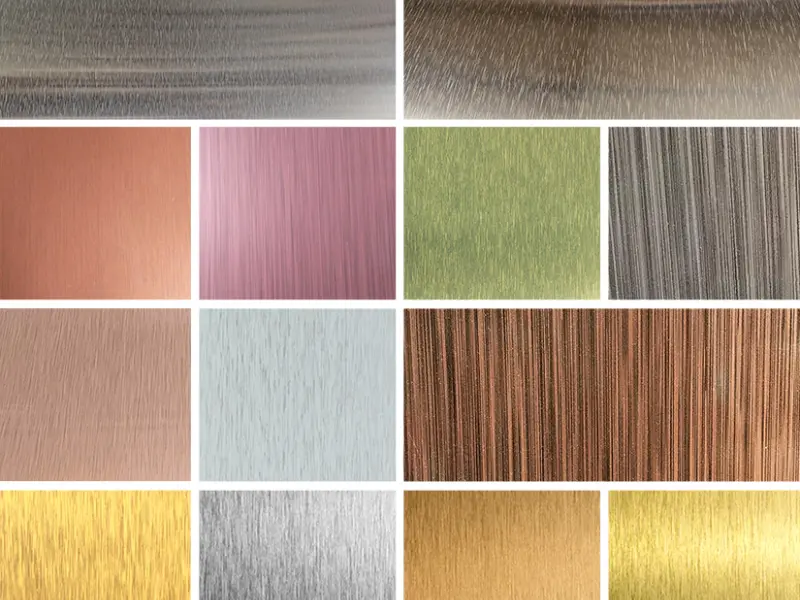
Classification
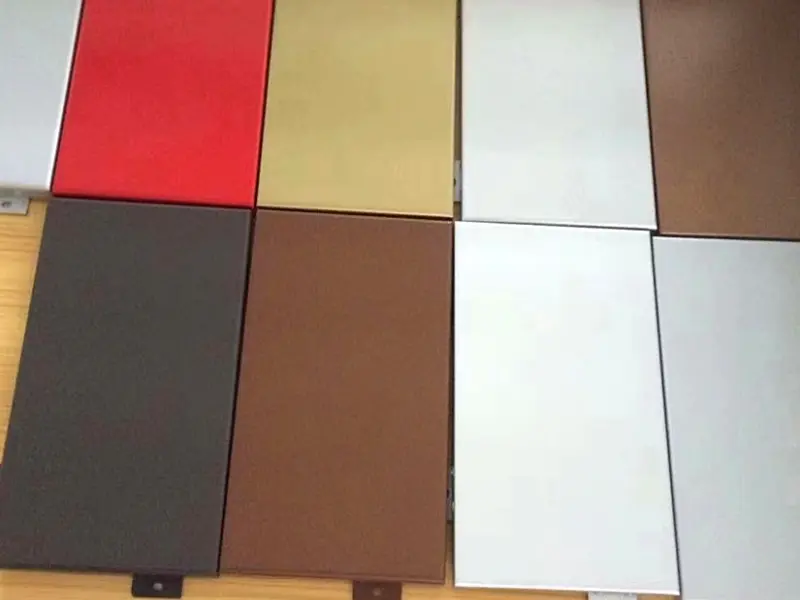
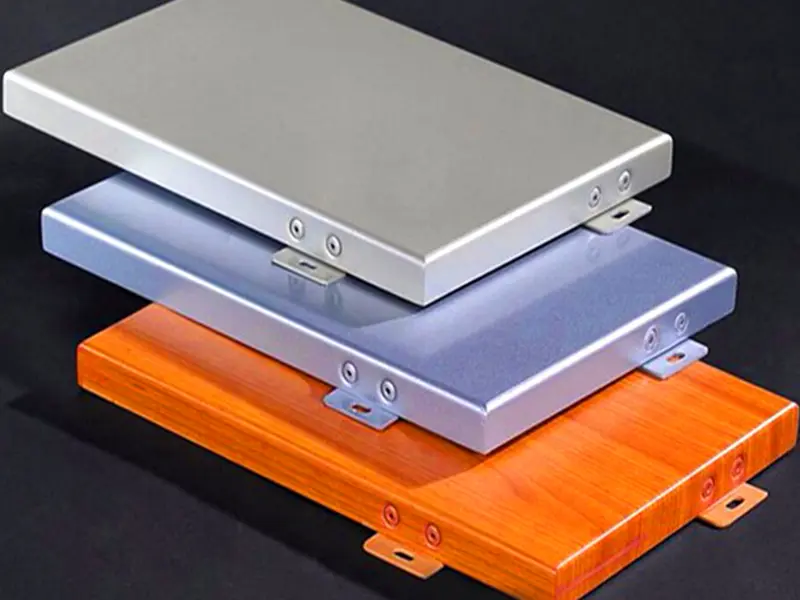
Brushed aluminium veneer can be classified in several ways, making it easier to choose the right product for your specific needs. The main ways to classify it include the type of finish, the alloy used, and its intended application.
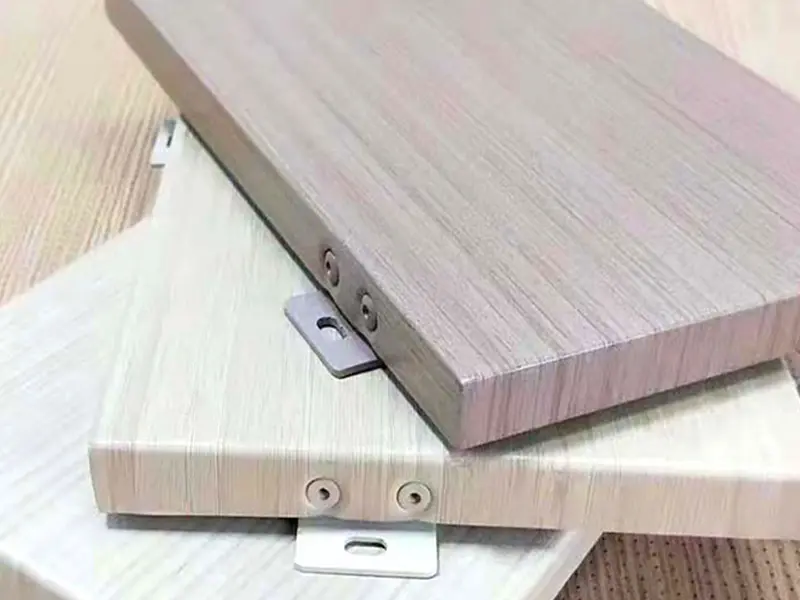
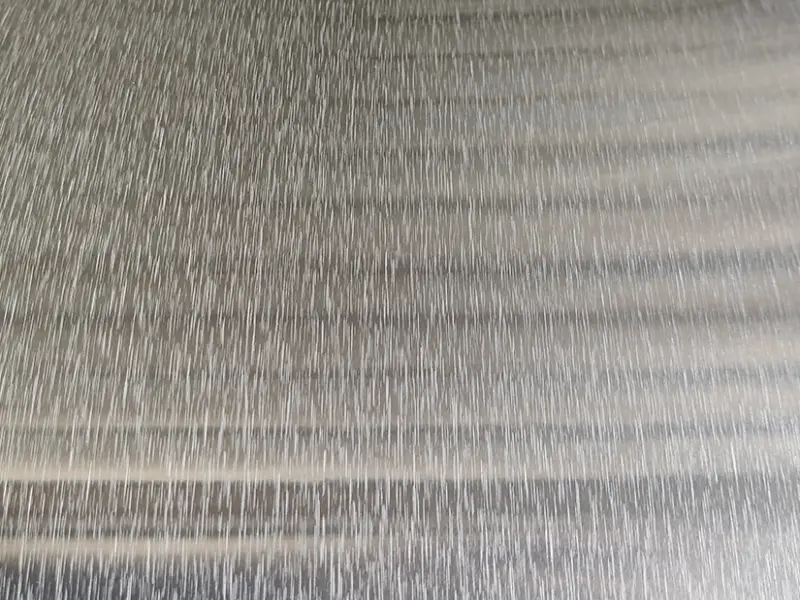
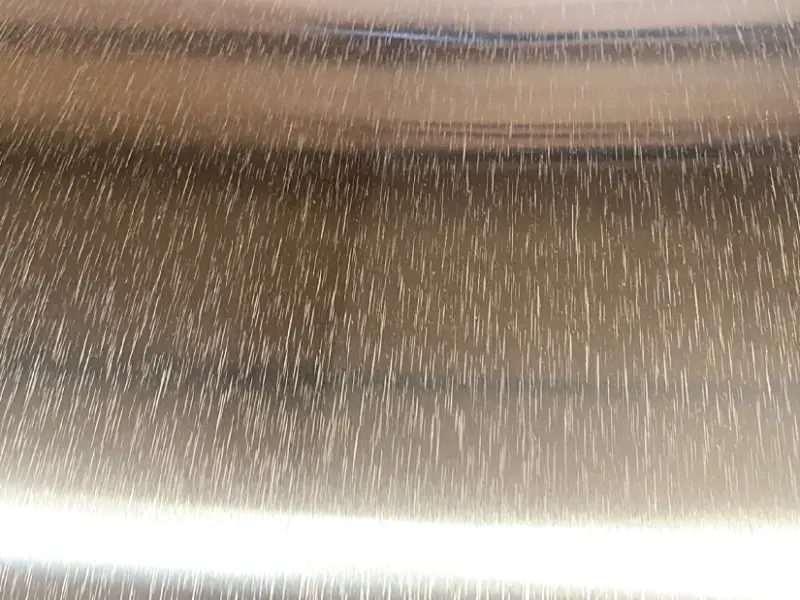
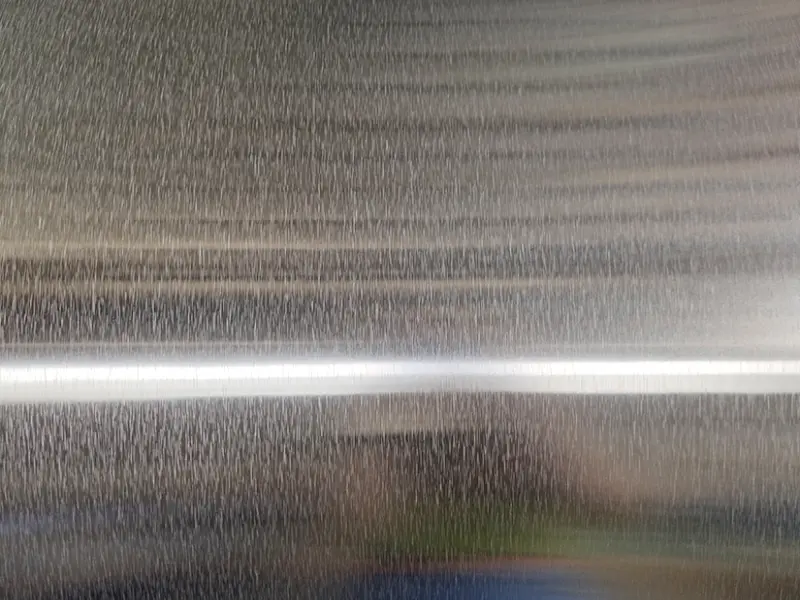
| Classification Type | Description |
|---|---|
| Finish Pattern | Straight-line brush, non-directional brush, cross-brush, swirl brush |
| Coating Type | PE (Polyester), PVDF (Polyvinylidene Fluoride), Anodized |
| Application Area | Interior use, Exterior use, Decorative panels, Industrial components |
| Alloy Series | 1000 series, 3000 series, 5000 series (e.g., 1100, 3003, 5052) |
Thickness Options and Specifications
Brushed aluminium veneer is available in various thicknesses to suit different needs:
| Thickness (mm) | Weight (kg/m²) | Common Applications |
|---|---|---|
| 0.5 – 0.8 | 1.35 – 2.16 | Electronics, decorative accents |
| 1.0 – 1.5 | 2.70 – 4.05 | Furniture, interior wall cladding |
| 2.0 – 3.0 | 5.40 – 8.10 | Architectural facades, signage |
| 3.0+ | 8.10+ | Heavy-duty structural applications |
Alloy Options
The brushed finish can be applied to various aluminium alloys, each offering unique properties:
| Alloy | Properties | Best For |
|---|---|---|
| 1050 | Excellent formability, soft texture | Decorative surfaces |
| 3003 | Good strength, corrosion resistance | Interior applications |
| 5052 | High strength, marine-grade resistance | Outdoor use |
| 6061 | Structural strength, heat treatable | Architectural projects |
Types of Brushed Finishes
- Standard Brush: Uniform linear pattern, most common finish.
- Directional Brush: Pattern brushed in one direction for consistent appearance.
- Random Brush: Non-uniform pattern for rustic or industrial look.
- Hairline Finish: Very fine brush lines for subtle elegance.
Factory Production Process
- Material Selection: Choose aluminium coil based on alloy and thickness.
- Surface Preparation: Clean and degrease the aluminium surface.
- Brushing Process: Use abrasive brushes or belts to create the desired pattern.
- Anodizing or Coating: Apply protective layer (optional but common).
- Cutting: Shear into sheets or custom shapes.
- Quality Control: Check for consistency in finish and dimensions.
Packaging and Shipping
- Protective Packaging:
- Plastic film covering to prevent scratching.
- Foam separators between sheets.
- Reinforced corners for damage protection.
- Custom Packaging:
- Cardboard sleeves for small quantities.
- Wooden crates for large panels.
- Shipping:
- Flat packing to avoid bending.
- Moisture-resistant wrapping for international shipping.
Applications
- Architecture: Building facades, elevator interiors, column covers.
- Interior Design: Feature walls, ceiling panels, retail displays.
- Furniture: Cabinet doors, table tops, shelving.
- Consumer Electronics: Laptop casings, appliance panels.
- Transportation: Automotive trim, RV interiors.
FAQ Section
Q: Is brushed aluminium veneer difficult to clean?
A: No, it’s quite easy to clean. A soft cloth with mild soap and water is usually enough. The brushed surface also helps to hide minor smudges and fingerprints.
Q: Is brushed aluminium veneer durable for outdoor use?
A: Yes, especially if it has a PVDF coating and uses a suitable alloy like 3003 or 5052. These types offer excellent weather and corrosion resistance, making them ideal for exterior brushed aluminium veneer applications.
Q: Can brushed aluminium veneer be bent or shaped?
A: Yes, it can be bent and formed, especially thinner gauges and more malleable alloys like the 1000 series. However, excessive bending or sharp angles might affect the brushed finish or coating. It’s best to consult with the brushed aluminium veneer factory for specific forming capabilities.
Q: What is the difference between PE and PVDF coating for brushed aluminium veneer?
A: PE (Polyester) coating is more economical and suitable for interior use with good color retention. PVDF (Polyvinylidene Fluoride) coating offers superior weather resistance, UV protection, and color stability, making it the preferred choice for exterior brushed aluminium veneer applications.
Advantages of Brushed Aluminium Veneer
- Aesthetic Appeal: Modern, sophisticated appearance.
- Durability: Resists wear and hides minor damage.
- Low Maintenance: Easy to clean and maintain.
- Versatility: Suitable for numerous applications.
- Lightweight: Easy to handle and install.