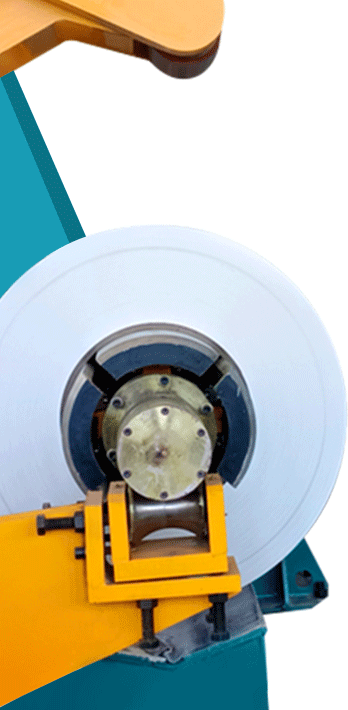
Perforated aluminium strip is a versatile and durable material widely used in construction, decoration, industry, and ventilation systems. It combines lightweight strength with excellent corrosion resistance, making it a popular choice for both functional and decorative projects.
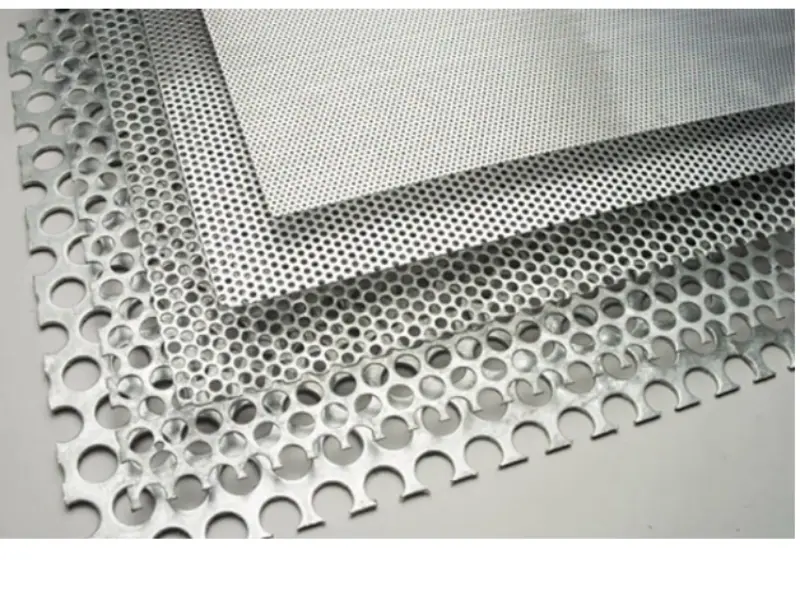
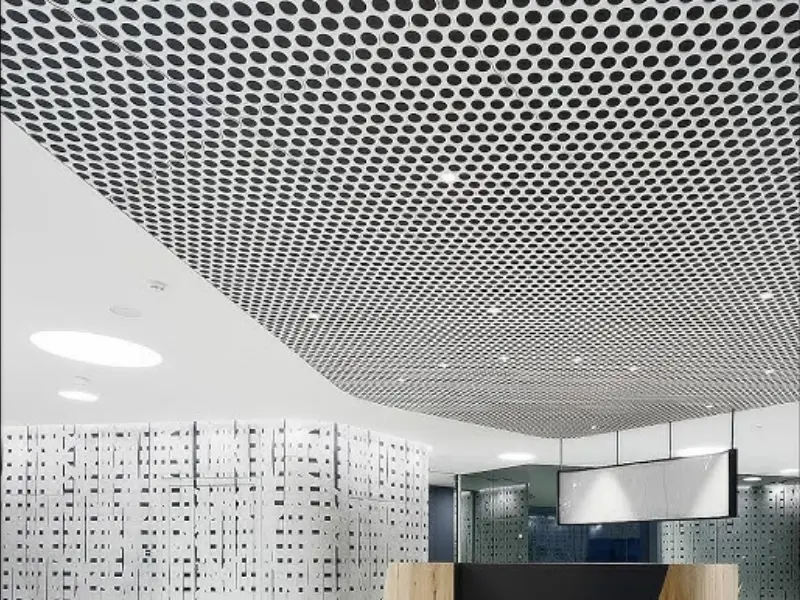
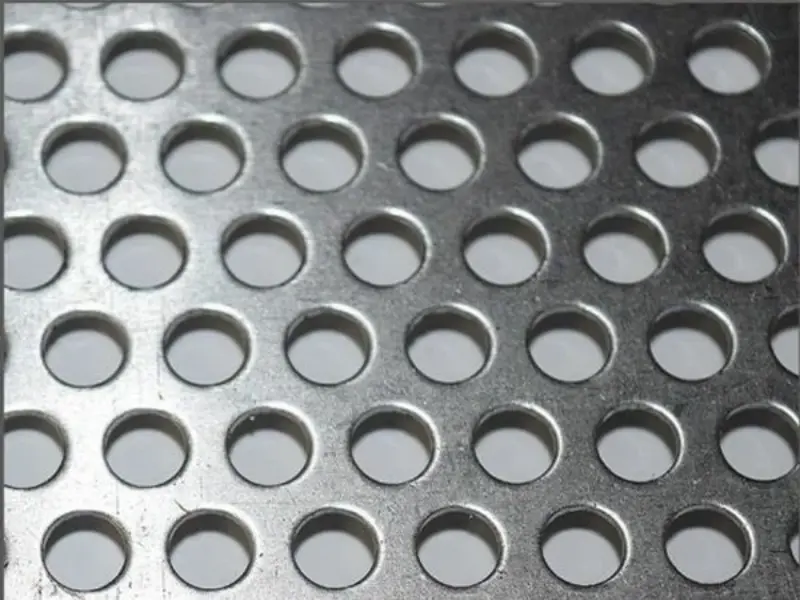
Classification of Perforated Aluminium Strip
Perforated aluminium strips can be classified based on hole patterns, surface finish, and intended application.
| Type | Description |
|---|---|
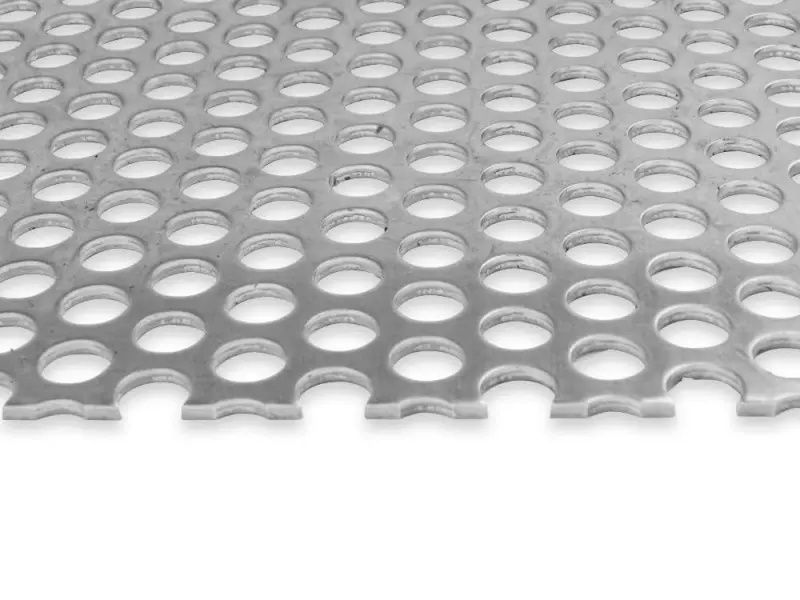
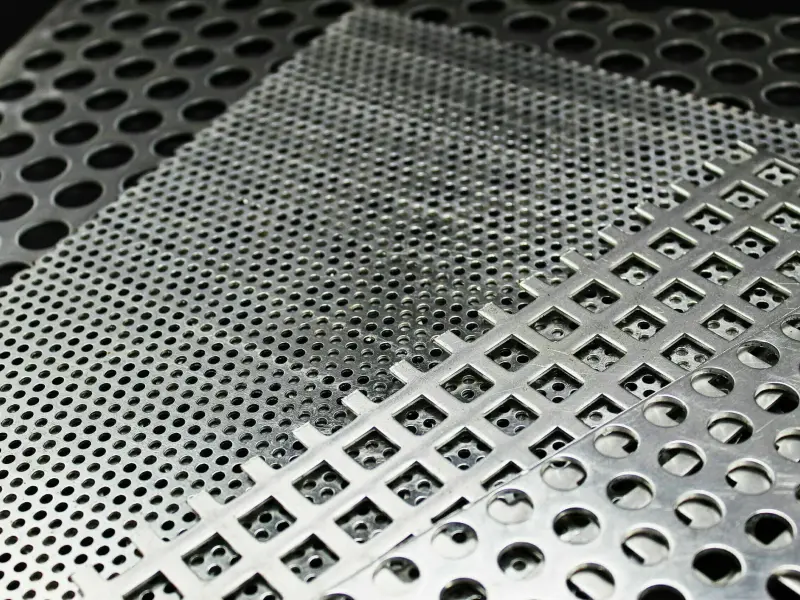
| Round Hole Strip | Standard circular holes, commonly used in filters, guards, and ventilation. |
| Square Hole Strip | Clean look, preferred for decorative cladding and partitions. |
| Slotted Hole Strip | Long slots ideal for soundproofing and ventilation panels. |
| Custom Patterns | Made according to client drawings and project needs. |
Thickness Range
The thickness of perforated aluminium strips varies according to the application.
| Thickness (mm) | Common Usage |
|---|---|
| 0.5 – 1.0 mm | Light decorative use, interior panels, and signage. |
| 1.0 – 2.0 mm | General construction, ventilation systems, and cladding. |
| 2.0 – 3.0 mm | Industrial flooring, protective covers, and durable decorative elements. |
| 3.0 – 5.0 mm | Heavy-duty structures, sound barriers, and external building applications. |
Alloys Available
| Alloy | Properties |
|---|---|
| 1060 | High purity, excellent corrosion resistance, good for decorative panels. |
| 3003 | Great anti-rust performance, ideal for outdoor cladding. |
| 5052 | High strength and seawater resistance, suitable for marine applications. |
| 6061 | Excellent mechanical strength, used in industrial and structural projects. |
Types
Perforated aluminium strips can be classified based on several characteristics, primarily the shape and arrangement of their holes.
Hole Patterns
The pattern of the holes significantly impacts both the function and aesthetics of the perforated aluminium strip.
- Round Holes: The most common and versatile pattern, offering good open area and a clean look. Used extensively in filtration, ventilation, and decorative panels.
- Square Holes: Provide a more industrial or geometric aesthetic. Often used in architectural screens, balustrades, and machine guards.
- Slotted Holes: Elongated holes, often used for specific filtration needs. Also popular for vents and grilles.
- Decorative Patterns: Custom designs and intricate shapes can be perforated to create unique visual effects for architectural and interior design applications.
Hole Arrangement
- Staggered Pattern: Holes are offset from each other, creating a diagonal flow.
- Straight Pattern: Holes are aligned in straight rows and columns.
Surface Finish Options
- Mill finish (original surface)
- Anodized (improved corrosion resistance, silver/black color)
- Powder coated (variety of colors, weather resistant)
- PVDF coated (durable and UV resistant for external use)
Packaging of Perforated Aluminium Strip
Proper packaging ensures safe delivery of perforated aluminium strips.
- Packed in protective plastic film or kraft paper.
- Bundled with steel or wooden pallets for transport.
- Custom packaging available according to client requests.
Applications of Perforated Aluminium Strip
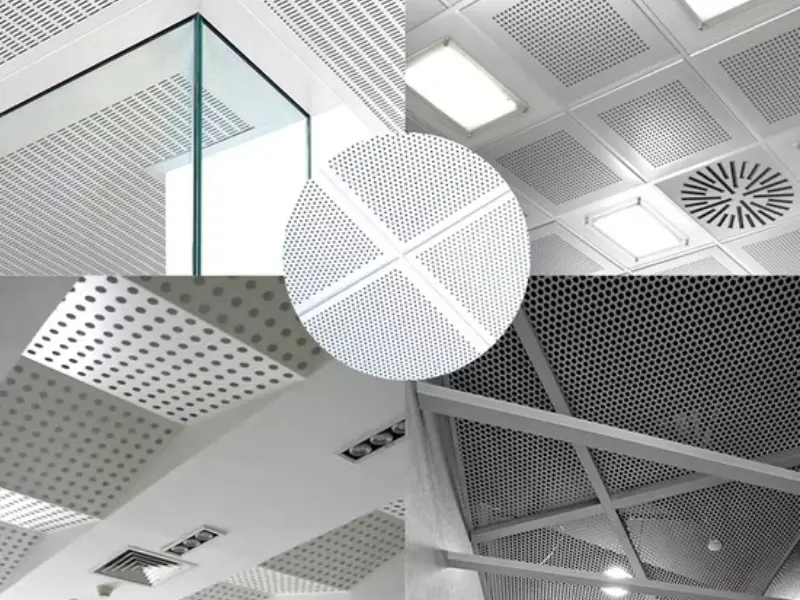
- Construction: façade cladding, sunshades, ceilings.
- Ventilation & Filtration: air grilles, filters, HVAC systems.
- Decoration: partitions, ceilings, furniture design.
- Industrial Use: safety guards, soundproof panels, machine covers.
- Transportation: train and bus interiors, marine uses.
- Signage: advertising boards, decorative panels.
Why Choose Perforated Aluminium Strip?
- Lightweight but strong.
- Resistant to corrosion and weather.
- Easy to fabricate and install.
- Wide range of hole patterns and thicknesses.
- Cost-effective and long-lasting.
Choosing the Right Perforated Aluminium Strip
To ensure the success of your project, consider these factors when selecting your perforated aluminium strip:
Supplier Expertise: Choose a perforated aluminium strip supplier with a strong reputation for quality, customization, and reliable delivery.
Application: What is the primary function? (Filtration, aesthetics, ventilation, sound absorption?)
Environment: Will it be exposed to harsh weather, chemicals, or saltwater? (Influences alloy choice).
Required Open Area: What percentage of open space is needed for flow or transparency?
Aesthetic Preference: Which hole pattern and arrangement best suit your design vision?
Structural Needs: What thickness is required for the necessary strength and rigidity?
Technical Specifications
| Parameter | Standard Value | Testing Method |
|---|---|---|
| Hole Size Tolerance | ±0.05mm to ±0.15mm | Optical measurement |
| Pitch Accuracy | ±0.1mm | Vernier caliper |
| Strip Width Tolerance | ±0.1mm to ±0.3mm | Micrometer measurement |
| Flatness | 1mm per 300mm length | Surface plate inspection |
| Burr Height | Max 0.05mm | Tactile inspection |
Quality Control Measures
- Dimensional Checks: Regular verification of hole size and spacing
- Visual Inspection: Surface quality and hole alignment
- Material Verification: Alloy composition and temper testing
- Mechanical Testing: Tensile strength and hardness verification
- Packaging Inspection: Ensuring proper protection for transit
Comparison with Other Materials
| Feature | Perforated Aluminium | Perforated Steel | Perforated Plastic |
|---|---|---|---|
| Weight | Lightweight | Heavy | Very Light |
| Corrosion Resistance | Excellent | Poor (needs coating) | Good |
| Cost | Medium | Low | Medium-High |
| Strength | Good | Excellent | Poor |
| Workability | Excellent | Good | Excellent |
Installation and Handling Tips
- Use appropriate personal protective equipment when handling
- Store in dry conditions to prevent corrosion
- Handle carefully to avoid bending or denting
- Use proper cutting tools to avoid damaging perforations
- Clean regularly with mild detergent and soft cloth
Customization Options
- Hole Patterns: Round, square, slot, hexagonal, custom shapes
- Hole Sizes: From 0.5mm to 25mm diameter
- Materials: Various aluminium alloys and tempers
- Finishes: Mill finish, anodized, painted, powder coated
- Packaging: Custom lengths and packaging requirements
FAQ
Q: What is the minimum hole size possible?
A: 0.5mm diameter holes can be achieved with precision tooling.
Q: Can perforated strips be bent or formed?
A: Yes, but bending should be perpendicular to the perforation pattern.
Q: How is the open area percentage calculated?
A: (Total hole area ÷ total strip area) × 100
Q: What is the lead time for custom patterns?
A: Typically 2-4 weeks for custom tooling and production.
Q: Are samples available?
A: Yes, samples are available for evaluation and testing.